How Many SIMs Can an eSIM Use? A Clear A–Z Guide

eSIMallows multiple subscriptions to be stored on one device, but the number of SIMs that can be used at the same time is limited by each device model. That is why many people still wonder how many SIMs an eSIM can use, whether it can use 2 eSIMs at the same time, and how many numbers are reasonable for each device. This article will help you understand how eSIM works and its real-world usage limits in just a few minutes.
How many SIMs can an eSIM use? Understand clearly in 5 minutes
To answer the questionhow many SIMs can an eSIM use, first you need to understand the nature of eSIM and how smartphone manufacturers implement this technology on devices. Much of the confusion today does not come from eSIM itself, but from misunderstanding the actual usage limits.
What is eSIM and how is it different from a physical SIM?
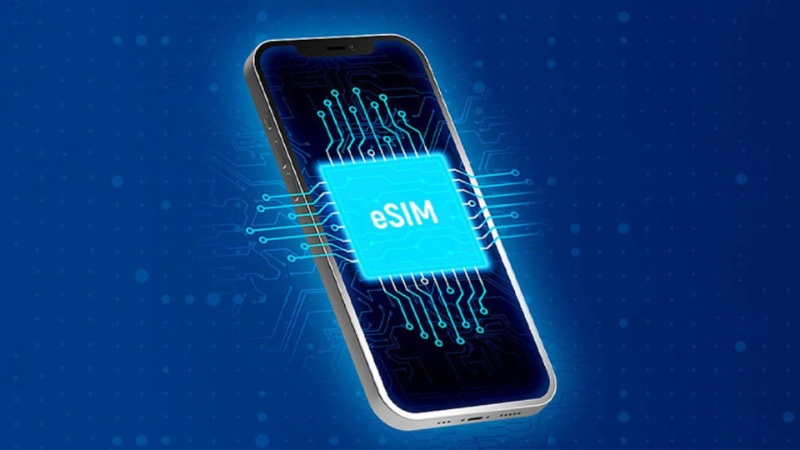
eSIM (embedded SIM) is an electronic SIM built into the device, so there is no need to remove or insert it like a traditional physical SIM. Users activate eSIM with a QR code or by direct configuration from the mobile carrier.
In terms of functionality, eSIM and physical SIM are completely equivalent: both are used for calls, texts, and mobile data access. The difference lies in storage and management. With eSIM, users can store multiple SIM profiles on the same device without manually swapping SIM cards.
When talking abouthow many SIMs can an eSIM use, it is important to clearly distinguish two concepts that are often confused:
- The number of eSIMs that can be stored on the device
- The number of SIMs that can operate simultaneously on the device
In practice, current smartphones can store around 5 – 20 eSIMs, depending on the device line and manufacturer. However, the number of SIMs that can work at the same time is usually limited to a maximum of 2 SIMs. This means being able to store many eSIMs does not mean you can turn on and use all of them at once.
How many eSIMs can an iPhone use?
On iPhone, eSIM usage depends on the device generation and the market where it is sold. Apple has supported eSIM quite early, but the number of eSIMs that can be stored and the number of SIMs that can operate simultaneously are two completely different concepts that users need to distinguish clearly.
iPhone XS, XR, 11, 12, 13: iPhone models from XS and later support eSIM. On these devices:
- Can store multiple eSIMs on the device
- Up to 2 SIMs can be active at the same time (1 physical SIM + 1 eSIM or 2 eSIM depending on the version)
iPhone 14, 15, 15 Pro, 15 Pro Max – for iPhone versions sold in the US:
- No physical SIM tray
- Supports 2 eSIMs working in parallel
This allows users to use 2 phone numbers at the same time without needing a physical SIM.
Important notes when using eSIM on iPhone
- Being able to store many eSIMs does not mean you can enable them all at once
- iPhone only allows a maximum of 2 SIMs to be active at the same time
- The remaining eSIMs will stay in storage and can be switched to when needed
How many eSIMs can an Android phone use?
On Android, eSIM usage is not uniform across brands and models. Unlike iPhone, which has a relatively consistent implementation, Android depends heavily on the manufacturer, hardware, and operating system version, so users need to check each model specifically.
Samsung (Galaxy S, Z series)
Current flagship Samsung models already support eSIM and are quite well optimized for multi-SIM use on the same device. On Galaxy S and Z series models:
- Can store multiple eSIMs on the device
- Use up to 2 SIMs at the same time
- Can be used in two ways:
- 1 physical SIM + 1 eSIM
- Or 2 eSIMs on some newer models and supported software versions
Google Pixel
Google Pixel is one of the Android lines that supported eSIM early and has high stability. On recent Pixel generations:
- Supports Dual eSIM
- Allows 2 eSIMs to be used simultaneously
- Suitable for users who need to separate personal and work numbers or use travel eSIM alongside their main number
Notes when using eSIM on Android:
- The number of eSIMs that can be stored on the device depends on the manufacturer and Android version
- Not every Android phone supports using 2 eSIMs at the same time
- Some devices only allow combining 1 physical SIM and 1 eSIM, and do not support Dual eSIM
See also: How to set up eSIM? Easy installation and activation guide
How many SIMs can be used at the same time on 1 device?
This is the most common point of confusion when users look into how many SIMs an eSIM can use. Many people think that if a device can store many eSIMs, then it can use many numbers simultaneously, but in reality the operating limit depends on the phone’s hardware.
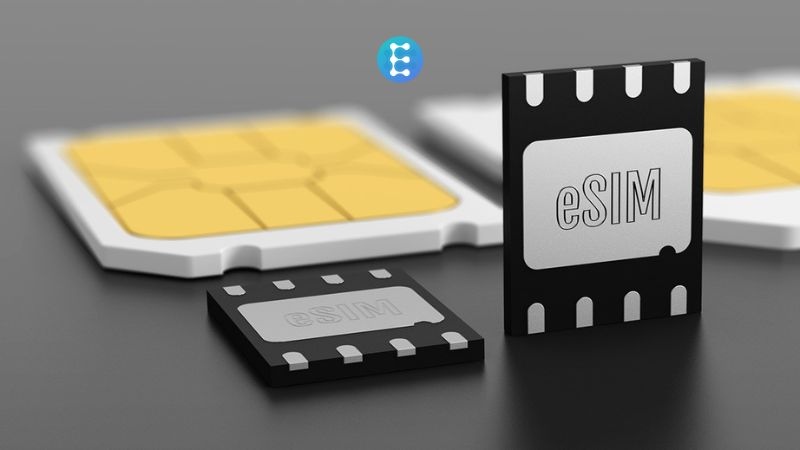
General rule: Each device supports a maximum of 2 SIMs active at the same time
Common use cases:
- 1 physical SIM + 1 eSIM
- 2 eSIMs (on devices and software versions that support it)
Important limits to know:
- Only 1 SIM can use mobile data at a time
- The other SIM is used for calls, texts, and receiving OTPs
- Users can switch which SIM is used for data in settings, but cannot use 2 data SIMs in parallel
Why can’t 3 – 4 SIMs be used at the same time? Even though a smartphone can store many eSIMs in memory, the hardware and network modem only allow processing a maximum of 2 mobile connections at the same time. This limit is set to ensure signal stability, avoid network conflicts, save battery, and maintain the device’s overall performance.
How many subscriptions should one eSIM use?
Technically, eSIM can store multiple different phone numbers on the same device. However, in actual use, users should only maintain 1 to 2 active subscriptions to ensure a stable experience and easy management. Using too many subscriptions on one device often brings no clear benefit and may instead cause confusion and errors during use.
Why shouldn’t you use too many subscriptions?
- Keep device performance stable and avoid conflicts when switching networks
- Easier to manage active phone numbers and reduce confusion between SIMs
- Switch eSIMs faster with fewer configuration errors
- Avoid calling or texting from the wrong phone number
- Reduce the risk of network configuration conflicts and data connection errors
Suggested way to use eSIM effectively:
- 1 main number for calls, texts, and bank OTPs
- 1 secondary number for mobile data when traveling or for work
This way of using eSIM helps users take advantage of its flexibility while keeping the device stable, easy to control, and suitable for everyday needs.
FAQs – Frequently asked questions about how many SIMs an eSIM can use
When learning how many SIMs an eSIM can use, users often have repeated questions related to using 2 eSIMs at the same time, limits on iPhone, and whether an eSIM can be transferred when changing phones. Below are the most important questions you need to know.
Question 1: Can 2 eSIMs be used at the same time?
Yes. If the device supports Dual eSIM, you can use 2 eSIMs at the same time, but at any one time only 1 eSIM is used for mobile data, while the other eSIM serves calls and receiving OTPs.
Question 2: How many eSIMs do iPhone 11 and iPhone 15 support?
Both iPhone 11 and iPhone 15 can store multiple eSIMs on the device, but only up to 2 SIMs can be active at the same time, including combinations of physical SIM and eSIM or 2 eSIMs.
Question 3: Can iPhone 14 Pro Max use 2 eSIMs at the same time?
Yes. The US version of iPhone 14 Pro Max has no physical SIM tray and allows activating and using 2 eSIMs in parallel for calls, texts, and data.
Question 4: Can an eSIM be transferred to another phone?
Yes. When changing phones, users need to delete the eSIM on the old device and reactivate the eSIM on the new device following the provider’s instructions, because one eSIM only works on 1 device at a time.
See also: Buy Korea travel eSIM – Stable 4G/5G internet, use it right after landing
If you are still wondering how many SIMs an eSIM can use, whether you should use 1 or 2 eSIMs at the same time, or are not sure whether your device fully supports eSIM, SimPM is the right choice to get started safely and correctly.
At SimPM, you get:
- eSIM advice tailored to each iPhone and Android model
- Support for configuring 2 eSIMs at the same time with stability and fewer errors
- Highly compatible travel eSIM and Vietnam eSIM with easy setup
- Fast technical support throughout the entire usage period
Explore eSIM plans at SimPM to choose the right eSIM, use it correctly from the start, and avoid unnecessary confusion when using it.

How many SIMs an eSIM can use depends on two main factors: the device’s eSIM storage capacity and the number of SIMs that can operate simultaneously. Although smartphones today allow many eSIMs to be stored, the real usage limit is still a maximum of 2 SIMs at the same time. To ensure a stable and easy-to-manage experience, users should use 1 to 2 eSIM subscriptions that fit their needs. Understanding this correctly from the beginning will help you avoid errors, use eSIM effectively, and make the most of the benefits that eSIM technology brings.