Do You Need a Visa to Travel to Malaysia? Rules and Procedures

Among the most attractive destinations in Southeast Asia, Malaysia has always ranked among the top choices for Vietnamese travelers thanks to its reasonable cost, diverse cuisine, and unique architecture blending Islamic, Chinese, and Western influences. However, before packing your suitcase and setting off, the question almost everyone wonders is: do you need a visa to travel to Malaysia? SimPM will provide a comprehensive analysis of whether you need a visa to travel to Malaysia based on the latest updated regulations in 2026.
Do you need a visa to travel to Malaysia?
For Vietnamese citizens holding a regular passport, the official answer to whether you need a visa to travel to Malaysia is no, you do not need to apply for a visa. The stay must not exceed 30 days and the purpose of the trip must fall into one of the following categories: tourism, visiting relatives, short business trips, or transit.
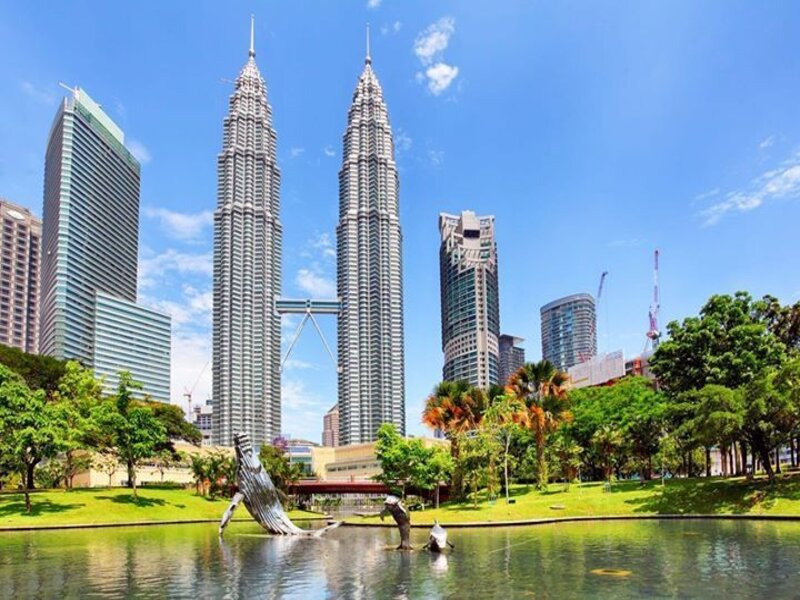
This is the result of two parallel legal bases: the bilateral visa exemption agreement between the Government of Vietnam and the Government of Malaysia signed many years ago, combined with the ASEAN intra-bloc freedom of movement commitment. However, being visa-exempt does not mean you can enter freely without preparing documents. You are still required to meet passport and return ticket conditions, and especially from year 2024 onward, you must complete the Malaysia Digital Arrival Card, abbreviated as MDAC, before setting foot in Malaysia.
MDAC is not a visa, nor does it replace a visa; it is a mandatory electronic arrival declaration issued by the Immigration Department of Malaysia to manage traveler data. Completing the MDAC is completely free and you can do it yourself at home in just 5-10 minutes.
Why are Vietnamese citizens visa-exempt when traveling to Malaysia?
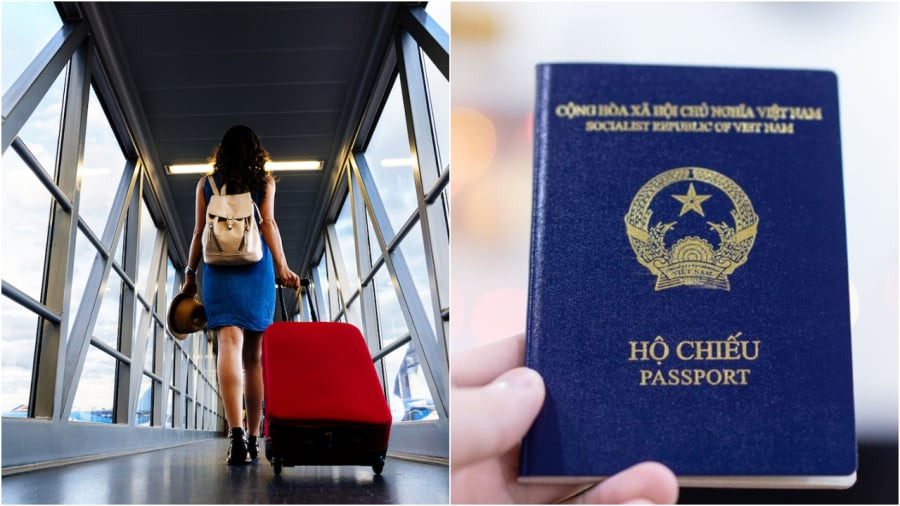
After getting the quick answer, many of you may be curious why the Malaysian government “favours” visa exemption policies for Vietnamese citizens. There are three main reasons, each rooted in strategic considerations for diplomacy, the economy, and tourism.
Vietnam – Malaysia bilateral visa exemption agreement
Vietnam and Malaysia established diplomatic relations in 1973 and upgraded them to a strategic partnership in 2015. On that basis, the two countries signed a visa exemption agreement for citizens holding ordinary passports with a stay of no more than 30 days. This is the core legal framework that allows Vietnamese travelers to enter Malaysia without going through the traditional visa application process at the embassy.
ASEAN intra-bloc visa exemption policy
As a member of the Association of Southeast Asian Nations, Vietnamese citizens are eligible for visa-free entry to most countries in the bloc, except East Timor. In addition to Malaysia, Vietnamese travelers are also exempt from visas when visiting Thailand, Laos, Indonesia, Singapore, Cambodia, Brunei, the Philippines, and Myanmar. This is one of the biggest advantages when travelers plan to explore Southeast Asia — you can almost travel across the region without spending a single penny on visa fees.
Conditions for visa exemption in Malaysia for Vietnamese citizens
By now you already understand the “why,” but to benefit from visa exemption, you need to fully meet a series of specific conditions. This is the part where I see many travelers become careless and get refused right at the border, even though they still think “I don’t need a visa, so I can just go.”
Passport requirements
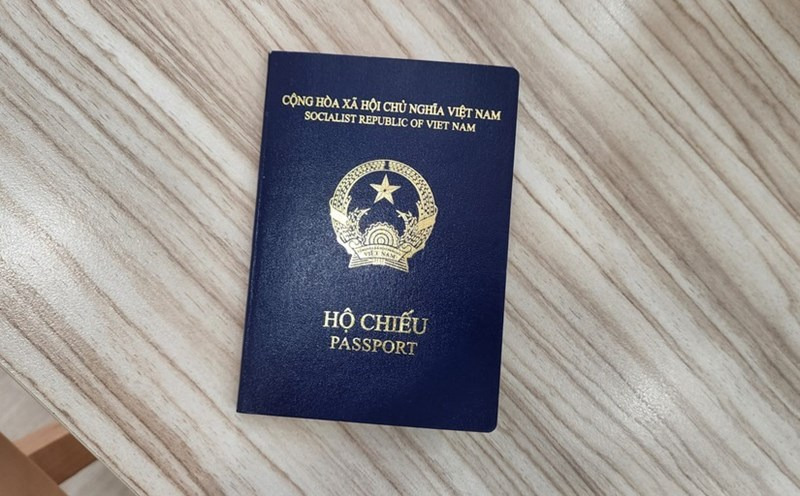
Your passport must be valid for at least 6 months from the date of entry into Malaysia. This is a strict requirement and customs officers check it very carefully. I once witnessed a customer whose passport had only 5 months 28 days of validity left being denied entry at KLIA airport and forced to fly back to Vietnam the same day. In addition to the validity period, the passport must have at least 2 blank pages for entry and exit stamps, and it must not be torn, altered, or have any stains that blur personal information or the portrait photo.
Length of stay requirement
The maximum permitted stay is 30 consecutive days and it cannot be extended on the spot in Malaysia for tourism purposes. If you overstay by even one day, the penalty under Akta Imigresen 1959/63 can be up to 30.000 Malaysian ringgit (equivalent to about 170 million VND), along with the risk of being banned from entry for 5 years. Therefore, always check the number of days stamped in your passport carefully upon entry.
Trip purpose requirement
The visa-exempt category applies only to the following purposes: sightseeing tourism, visiting relatives, attending conferences or meeting business partners for short-term business, and transit. Any other purposes such as contract work, full-time study, participation in long-term training programs, residency, or marriage require the appropriate visa before entry.
Cases in which Vietnamese citizens still need a Malaysia visa
After understanding the visa exemption conditions, let’s discuss the other side of the issue. Do you need a visa to travel to Malaysia in special cases? The answer is yes—and these are the specific groups.
- The first group is those planning to stay longer than 30 days; even extending a holiday by just a few days requires applying for a long-term tourist visa (Social Visit Pass) or a multiple-entry visa.
- The second group is people going to Malaysia to work under a contract—you must have an Employment Pass or Work Permit sponsored by the employer before entry.
- The third group is international students—you must apply for a Student Pass through the registered school, and you cannot enter under visa exemption and switch status later.

- The fourth group is people settling down or marrying a Malaysian citizen, who must apply for a Spouse Visa or other permanent residence-related visas.
- The fifth group is participants in the Malaysia My Second Home (MM2H) program—a 5-10 year long-term visa program for financially capable individuals, which Malaysia is currently adjusting with stricter requirements from year 2023.
- Finally, Vietnamese citizens holding official or diplomatic passports may be subject to separate regulations under intergovernmental agreements—they are often still visa-exempt but must notify in advance through diplomatic channels.
One fairly common special case I want to note is overseas Vietnamese—people of Vietnamese origin but holding foreign nationality. In that case, whether you need a visa or not depends entirely on your current nationality as shown in your passport, not your Vietnamese origin. If your current nationality is in a group that is not visa-exempt for Malaysia, you still need to apply for a visa just like any citizen of that country.
See also: What is the best season to travel to Malaysia? Choose the “golden” time for your trip
MDAC – the mandatory declaration even if you are visa-exempt for Malaysia
As mentioned above, many people still think that whether you need a visa to travel to Malaysia is only about the visa itself, but in reality, since year 2024, the MDAC has become the “second gate” that you must pass through.
What is MDAC and who does it apply to?
The Malaysia Digital Arrival Card is an electronic arrival declaration issued by Jabatan Imigresen Malaysia—the Immigration Department of Malaysia—and it became mandatory from 01/01/2024. This declaration replaces traditional paper forms, digitizing the entire border control process and shortening queue times at the airport. Most foreign travelers arriving in Malaysia, including Vietnamese citizens, must complete the MDAC.
Some exempted categories include: Singapore citizens, Malaysian citizens and permanent residents, holders of diplomatic and official passports, Brunei nationals using the General Certificate of Identity, and users of the Brunei-Malaysia Frequent Traveller Facility.
Detailed MDAC registration guide
You visit the only official website, Malaysia Digital Arrival Card. Then click the “Register” button and fill in the following information step by step: full name as shown in the passport, passport number, nationality (choose “VNM – Vietnam”), date of birth, gender, mobile phone number, email, date of arrival in Malaysia, expected date of departure, mode of transport (choose AIR for plane), flight number, last place of departure before arriving in Malaysia, purpose of the trip, and accommodation address in Malaysia (hotel name, street, city).
After completion, the system will send a confirmation email with a QR code. Take a screenshot or save the PDF file on your phone, and I always advise my customers to print an additional paper copy in case the phone runs out of battery. Each time you enter Malaysia, you must complete a new MDAC—old ones cannot be reused.
Detailed Malaysia immigration procedures for Vietnamese travelers
Once your documents are ready, the next step is the actual immigration process. From my personal experience, if you understand the procedure well, passing through Malaysia’s border can even be faster than in many other countries in the region.

Step 1: Prepare documents before the flight
Before leaving home, do a final check of your file, including: a passport valid for 6 months, MDAC confirmation (PDF or printed copy), return flight ticket, hotel booking confirmation, 300-500 USD in cash, and an international credit card. I recommend bringing a printed copy of your detailed itinerary—sometimes customs officers will ask, and having a paper itinerary ready helps create the impression that you are a genuine tourist, not traveling for another purpose.
Step 2: Exit procedures in Vietnam
At the airport in Vietnam, you only need to present your passport, flight ticket, and check-in baggage as usual. Note not to carry liquids over 100 ml in your carry-on baggage, and do not bring knives, sharp objects, or large-capacity lithium batteries into the passenger cabin.
Step 3: Immigration at a Malaysian airport
When you land at KLIA, KLIA2, Penang International Airport, or Johor Bahru, follow the signs to the “Immigration” area and queue in the “Foreign Passport” lane. Present your passport and MDAC confirmation to the immigration officer. Common questions include: “What is the purpose of your trip?”, “How long will you stay in Malaysia?”, “Where are you staying?”, “Who are you traveling with?” Answer briefly, honestly, and in simple English—no need to be elaborate. After the questions, the officer will stamp your passport with the maximum permitted stay clearly indicated.
Step 4: Check the entry stamp
This is a small but extremely important step that many people overlook. Look carefully at the stamp in your passport to see how many days are granted—usually 30 days, but sometimes the officer may stamp fewer (15 or 21 days) depending on their assessment. If you see an incorrect stamp or the number of days is too short, you need to respond immediately at the counter.
Step 5: Collect your luggage and leave the airport
After clearing immigration, go to the Baggage Claim area to collect your suitcase, then pass through customs (green channel if you have nothing to declare). In the arrivals hall, you can choose Grab taxi, KLIA Ekspres (the high-speed train to central Kuala Lumpur in 28 minutes), or the airport bus.

Note: To make immigration procedures, staying in touch, and internet connectivity more convenient, you should buy a Malaysia eSIM in Vietnam before you travel.SimPM provides Malaysia travel eSIM and more than 200+ eSIMs for other countries, you will receive the QR code quickly by email and can install it easily in just a few minutes.
See also: Traveling to Malaysia in month 7: Complete experience
Important notes and practical experience when entering Malaysia
As for cash, you may bring up to 10.000 USD without declaring it. If you carry more, declare truthfully on the customs form to avoid confiscation. Regarding prohibited items, Malaysia applies extremely strict drug laws—drug trafficking can be punishable by death by hanging, so absolutely do not carry any unfamiliar package for anyone, even if that person is your close friend.
Culturally, Malaysia is a Muslim country, so clothing should be modest; especially when entering temples or mosques, you must cover your hair, shoulders, and knees. Avoid pointing with your index finger—Malaysians consider that impolite; point with your thumb or your whole hand instead. When eating, try to use your right hand because the left hand is considered unclean under Islamic custom.
One small tip I always remind people of: If you are a frequent visitor (traveling to Malaysia 2 times or more), register to use the autogate—the automated immigration gate. This helps save 15-20 minutes of queuing. Also, avoid exchanging money at the airport because the exchange rate is very poor—exchange it in Mid Valley, Bukit Bintang, or withdraw directly from ATMs using a Visa/Mastercard for much more reasonable fees.
So, we have answered the question “Do you need a visa to travel to Malaysia?” in detail. For Vietnamese citizens, you do not need a visa when traveling to Malaysia for less than 30 days, but you still need to prepare a valid passport, a return ticket, accommodation information, and complete the MDAC declaration before entry.
To make your trip more convenient from the moment you arrive in Malaysia, don’t forget to prepare internet connectivity in advance. Choose buy eSIM Malaysia at SimPM to receive the QR code quickly, install it easily, and use the internet as soon as you arrive. Need advice on a suitable plan? Contact Hotline 24/7: 0919.999.336.