Top 20 Famous Places in Seoul 2026: Opening Hours, Ticket Prices, Subway

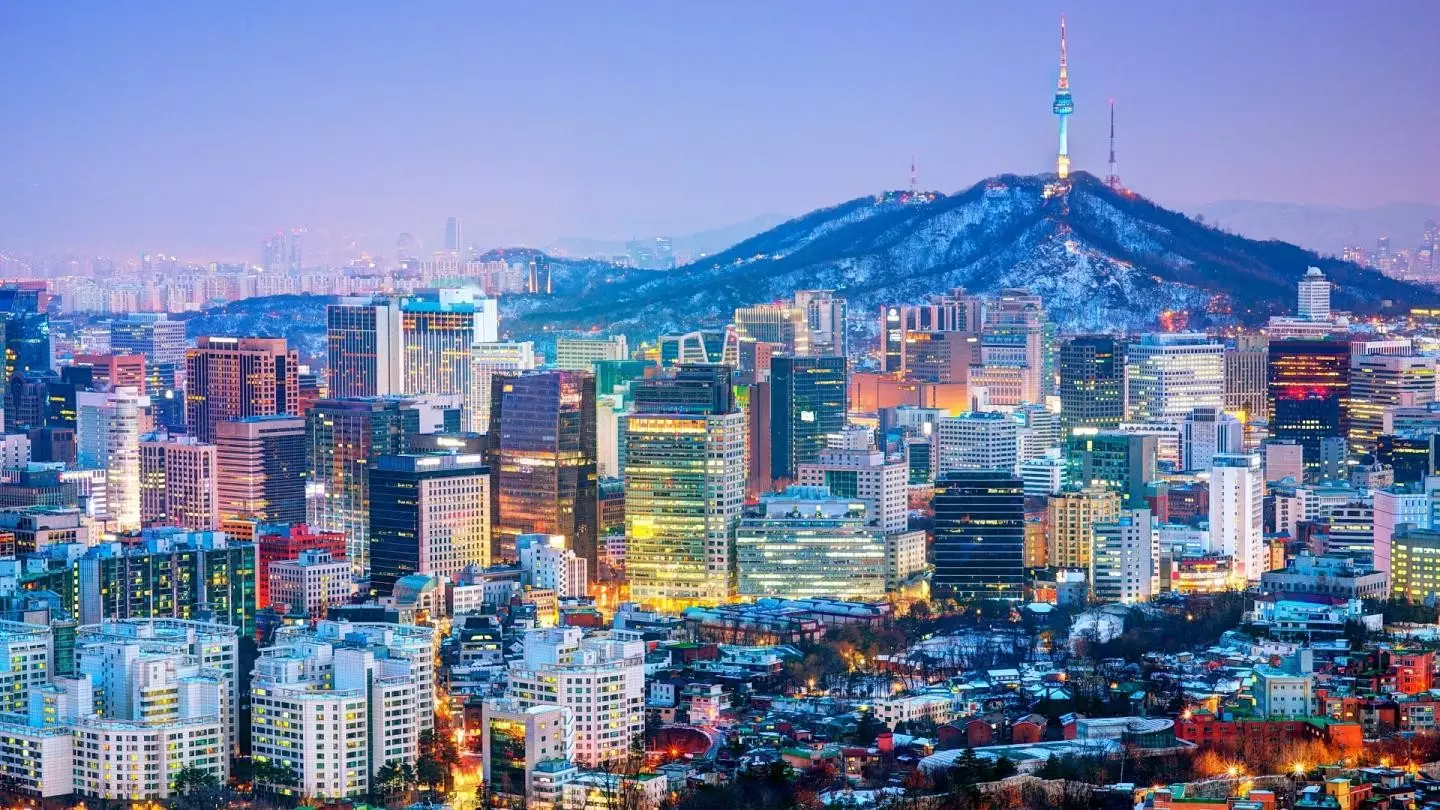
Seoul is a city travelers can fall in love with in many ways. In the morning, you can leisurely walk through a palace that is more than 600 years old, surrounded by visitors in hanbok taking photos. At lunchtime, sit inside Gwangjang Market and enjoy hot, crispy bindaetteok. By evening, stand on the 117 floor of Korea’s tallest building and watch millions of Seoul’s lights come on beneath your feet. Below are 20 famous places in Seoul that are perfect for a self-guided 5-7 day trip for Vietnamese travelers. The list includes cultural experiences, sightseeing, shopping, dining, and worthwhile day-trip spots around Seoul.
Summary table of 20 famous places in Seoul
To make it easy to view quickly on your phone or save as a screenshot, the table below summarizes key information including area, opening hours, ticket prices, and the nearest subway station. Ticket prices and opening hours were updated in 5/2026 from Visit Korea, Visit Seoul, and the official sources of each place.
| # | Place name | Khu | Opening hours | Ticket price | Nearest subway |
|---|---|---|---|---|---|
| 1 | Gyeongbokgung Palace | Jongno | 9h-18h | 3.000 KRW | Gyeongbokgung (L3) |
| 2 | Changdeokgung + Huwon | Jongno | 9h-17h | 8.000 KRW, Huwon slot reservation required | Anguk (L3) |
| 3 | Deoksugung | Jung-gu | 9h-21h | 1.000 KRW | City Hall (L1 + L2) |
| 4 | Jongmyo Shrine | Jongno | 9h-17h | 1.000 KRW | Jongno-3-ga (L1 + L3 + L5) |
| 5 | Bukchon Hanok Village | Jongno | 10h-17h, closed tour 17h-10h | Free | Anguk (L3) |
| 6 | Ikseon-dong Hanok Street | Jongno | 24/7, cafe usually 10h-23h | Free | Jongno-3-ga |
| 7 | N Seoul Tower | Namsan | 10h30-22h30 | 21.000 KRW observatory ticket | Myeongdong (L4) + cable car |
| 8 | Lotte World Tower Seoul Sky | Jamsil | 10h30-22h | 31.000 KRW | Jamsil (L2 + L8) |
| 9 | DDP – Dongdaemun Design Plaza | Dongdaemun | Outdoor 24/7, indoor 10h-19h | Free outdoor area | DDP (L2 + L4 + L5) |
| 10 | Cheonggyecheon Stream | Jongno | 24/7 | Free | Gwanghwamun (L5) |
| 11 | Lotte World Adventure | Jamsil | 9h30-22h | About 62.000 KRW at the gate, online 30.000-39.000 KRW | Jamsil (L2 + L8) |
| 12 | Everland | Yongin, suburban Seoul | 9h30-22h | About 59.000 KRW at the gate, online about 39.000 KRW | Giheung + bus shuttle |
| 13 | Myeongdong | Jung-gu | Shop 10h-22h | Free | Myeongdong (L4) |
| 14 | Hongdae | Mapo | 10h-2h in the morning | Free | Hongik Univ (L2) |
| 15 | Gangnam + COEX Starfield Library | Gangnam | 10h-22h | Free | Samseong (L2) |
| 16 | Dongdaemun Market | Dongdaemun | 20h-5h | Free | Dongdaemun (L1 + L4) |
| 17 | Common Ground | Konkuk | 11h-22h | Free | Konkuk Univ (L2 + L7) |
| 18 | Gwangjang Market | Jongno | Market 9h-18h, food stall 10h-23h | Free | Jongno-5-ga (L1) |
| 19 | Nami Island | Chuncheon, day-trip | 7h30-21h | 19.000 KRW including ticket and ferry | ITX Yongsan → Gapyeong |
| 20 | Petite France | Gapyeong, day-trip | 9h-18h | 12.000 KRW, combo Italian Village 19.500 KRW | ITX Yongsan → Gapyeong |
Palaces and ancient temples: 4 Joseon cultural landmarks
Once you step through Gwanghwamun Gate, you’ll feel Seoul’s pace slow down. The palaces below are the core heritage sites of the Joseon dynasty, each with its own role, from the political center to the royal family’s resting space.
If you want to visit multiple palaces in the same trip, you can consider the Royal Palace Pass for 10.000 KRW, valid for 3 months. With this pass, it’s completely possible to visit all 4 places in one day if you plan your schedule well.
Gyeongbokgung Palace
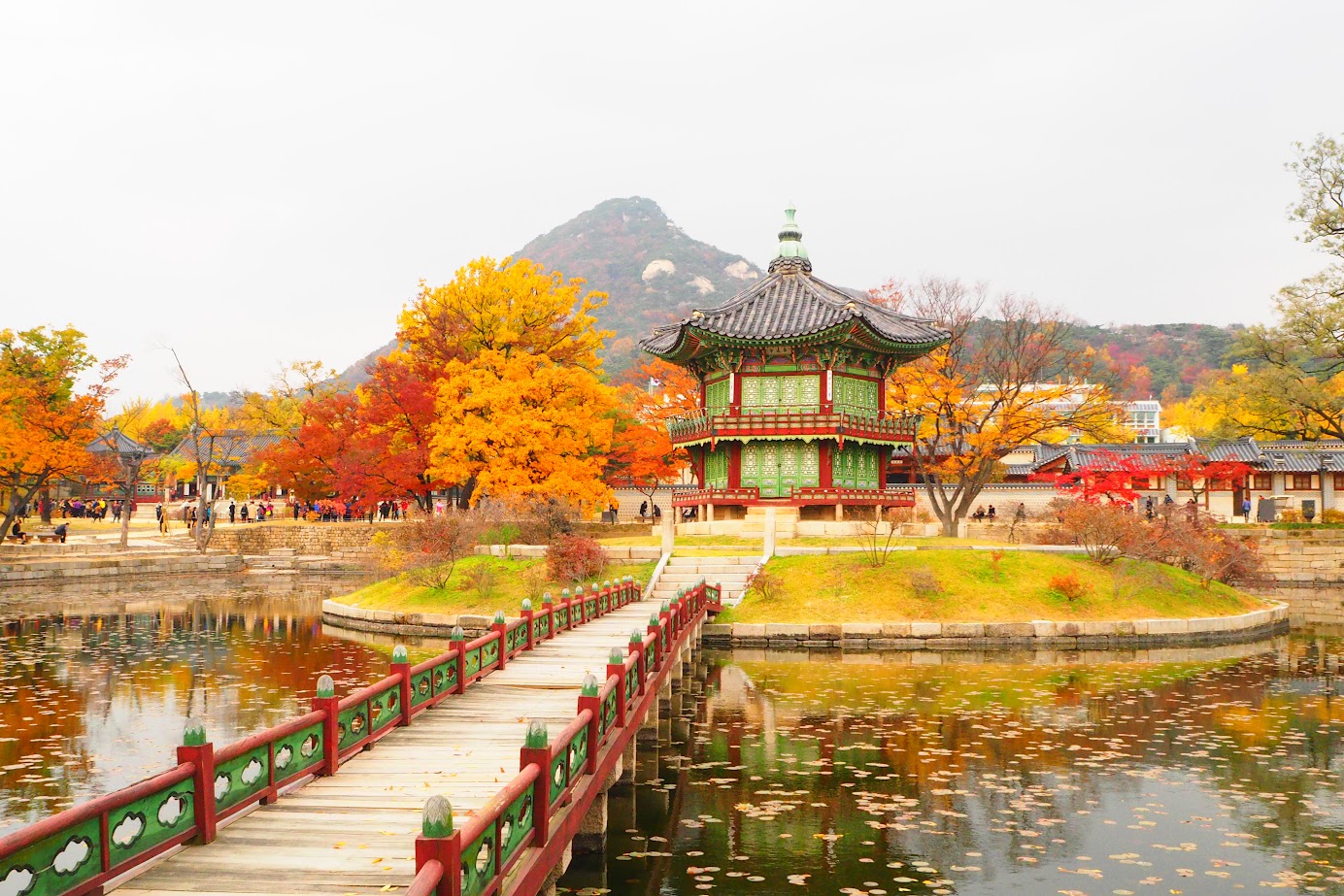
Gyeongbokgung is the main palace of the Joseon dynasty, built in 1395. It was once where the king worked, held court, and lived with the royal family. The adult ticket price is 3.000 KRW according to the Cultural Heritage Administration Korea.
A useful tip that many Vietnamese travelers love is to rent a hanbok for about 10.000-20.000 KRW per day so you can enter the palace for free. This is not only cheaper than the regular ticket, but also gives you photos that look very “Korean.”
You should go at 10h or 14h to watch the Royal Guard Changing Ceremony. Each session lasts about 15-20 minutes. The drums, bright red uniforms, and the slow marching of the guards create the feeling of standing in the middle of a historical drama scene. In addition, on the last Wednesday of every month, Culture Day, all visitors can enter for free without needing to wear a hanbok.
Changdeokgung + Huwon Secret Garden
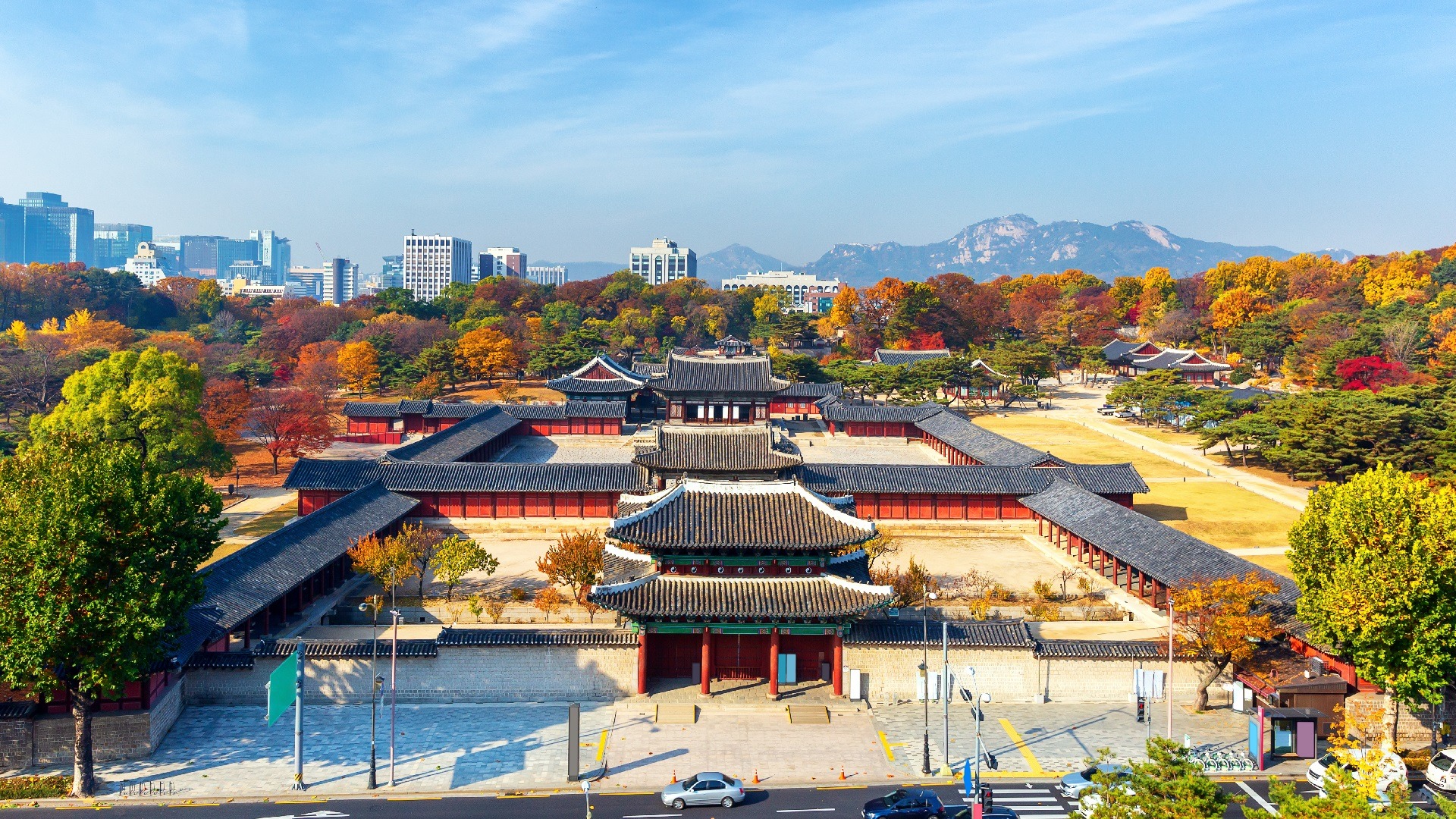
Changdeokgung was recognized by UNESCO as a World Heritage Site in 1997. This palace is especially famous for Huwon Secret Garden, the hidden garden behind the palace. The combo ticket is 8.000 KRW, but the Huwon tour requires online advance booking because each session is limited to 50 visitors.
Huwon is most beautiful in 10-11, when golden colors cover Buyong Pond. Walking among the old stone steps, the quiet forest, and the peaceful lake, you’ll understand why Joseon kings once chose this place to briefly escape palace life. This is also one of the moments many travelers remember longest on their Seoul trip.
Deoksugung
Deoksugung is the smallest palace in Seoul, but it has a very distinct character thanks to the combination of traditional Joseon architecture and Western neoclassical buildings, most notably Seokjojeon. The adult ticket is 1.000 KRW. It is also the only palace in Seoul that stays open until 21h.
On autumn and winter nights, the golden lights from Seokjojeon shining on the ginkgo trees make the scenery feel very poetic. This is one of the best autumn photo spots in Seoul, no less beautiful than Gyeongbokgung, but usually with fewer Vietnamese visitors.
Jongmyo Shrine
Jongmyo is the ancestral shrine of the Joseon royal family, recognized by UNESCO in 1995. Admission is 1.000 KRW, open from 9h to 17h.
Unlike the lively atmosphere of the palaces, Jongmyo feels much more solemn and quiet. From Wednesday to Sunday, visitors must join a guided tour to protect the shrine’s sacred space.
A full Jongmyo visit takes about 1 g hours. Here, you’ll see how Koreans in the past honored the royal ancestors: strict, minimal, and with almost no floral decoration. It is a very calming experience in bustling Seoul.
Traditional villages and Hanok streets: 2 great photo spots
Bukchon Hanok Village
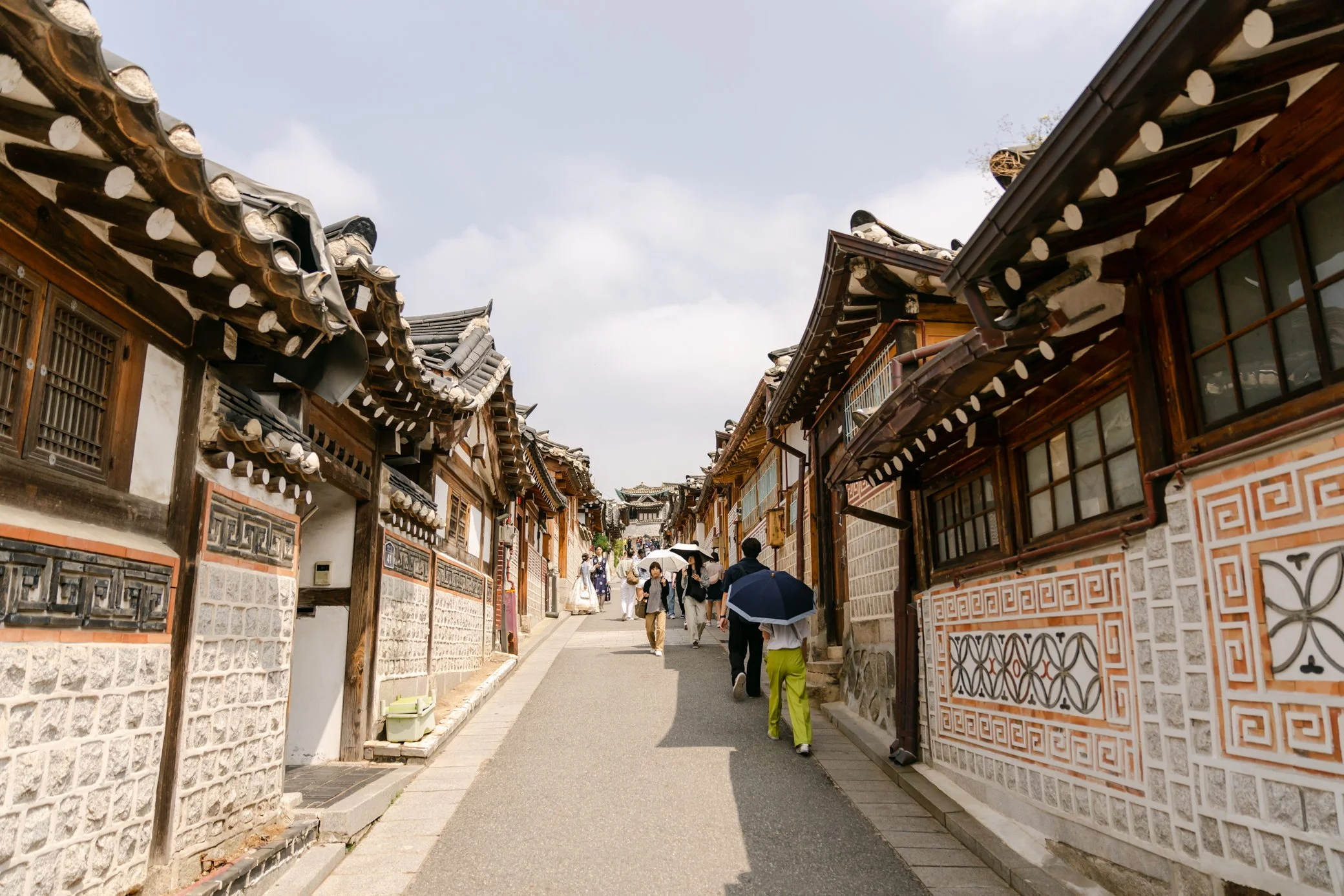
Bukchon is a traditional village with more than 900 hanok houses, located between Gyeongbokgung and Changdeokgung. This is one of the places in Seoul that gives you the clearest feeling of “touching Korean history.”
An important note updated in 11/2024 according to the Seoul Metropolitan Government: the Bukchon Special Management Area is only open to visitors from 10h to 17h. If you violate the rule outside this time frame, you may be fined 100.000 KRW. Bukchon is actually still a residential area, so you should follow “silent tourism”: speak softly, don’t use speakers, and don’t take photos inside houses even if the doors are open.
The best time to visit Bukchon is 16h-17h, when soft golden sunlight falls on the curved tiled roofs. If you want fewer people around, you can go at around 10h-11h. Many travelers rent a hanbok near Anguk Station and walk through the sloping alleys for photos.
Ikseon-dong Hanok Street
If Bukchon feels authentically old, Ikseon-dong is a more modern and accessible version of a hanok neighborhood. The old houses here have been renovated into cafes, bookstores, craft shops, and experiential spaces. The district is open 24/7, with free admission; cafes usually open from 10h to 23h.
Couples often like Ikseon-dong because it feels less pressured than Bukchon, with fewer rules about “silent tourism” and many cafes to rest in. In winter, just sitting inside a hanok cafe, holding a hot cup of coffee, and looking out at the snowy alley already feels like stepping into a Korean movie scene.
Panoramic views and architecture: 3 places worth visiting
N Seoul Tower
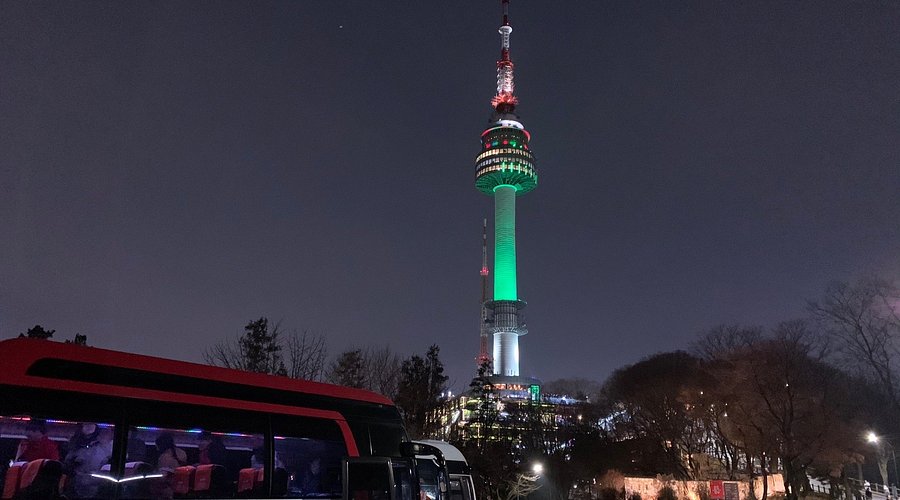
N Seoul Tower sits on Namsan Mountain, right in the center of Seoul, and has been a symbol of the city since 1969. According to Visit Korea 2026, the observatory ticket is 21.000 KRW. The tower is open from 10h30 to 22h30 on weekdays and until 23h on weekends.
You can reach the tower by Namsan Cable Car with a round-trip ticket of 14.000 KRW, or walk about 30 minutes from Myeongdong if you want to save money and have good stamina.
The best moment at N Seoul Tower is sunset. From here, you can enjoy a full 360-degree view of Seoul. In 11, when the weather is clear, you can even see the Bukhansan mountain range to the north. The love-lock area on the rooftop railing is also a familiar spot for couples, a romantic travel tradition that has existed since the 2000s.
Lotte World Tower Seoul Sky
Lotte World Tower is the tallest building in South Korea and the 5 tallest in the world, with a height of 555m and 123 floors according to Visit Korea. The Seoul Sky observatory is located from floor 117 to floor 123, and the adult ticket is 31.000 KRW.
The most impressive spot here is the Sky Deck at a height of 478m, once recognized by Guinness as the world’s highest glass floor. Standing on the glass and looking straight down at Jamsil below can feel quite thrilling, even for people who are not afraid of heights.
Seoul Sky is open from 10h30 to 22h from Sunday to Thursday, and until 23h on Fridays and Saturdays. The best time to go is around 17h: you can watch the sunset first, then stay to see Seoul light up area by area. This is one of the most worthwhile experiences of the trip.
DDP – Dongdaemun Design Plaza
DDP is a neofuturistic architectural landmark designed by Zaha Hadid and Samoo, opened on 21/3/2014 according to Visit Korea. The outdoor area is open 24/7 and free, while the indoor exhibition area usually opens from 10h to 19h depending on each exhibition.
This structure was created from 45.133 curved exterior panels, with almost no straight walls either inside or outside. At night, the LED lights from the 25.550 LED roses at the base reflect off the metal surface, making it feel like you are standing in a science-fiction movie in the middle of Seoul.
See also: Self-guided Seoul travel costs 2026: 13-25 million per person for 5 days
Stream and park: Cheonggyecheon Stream
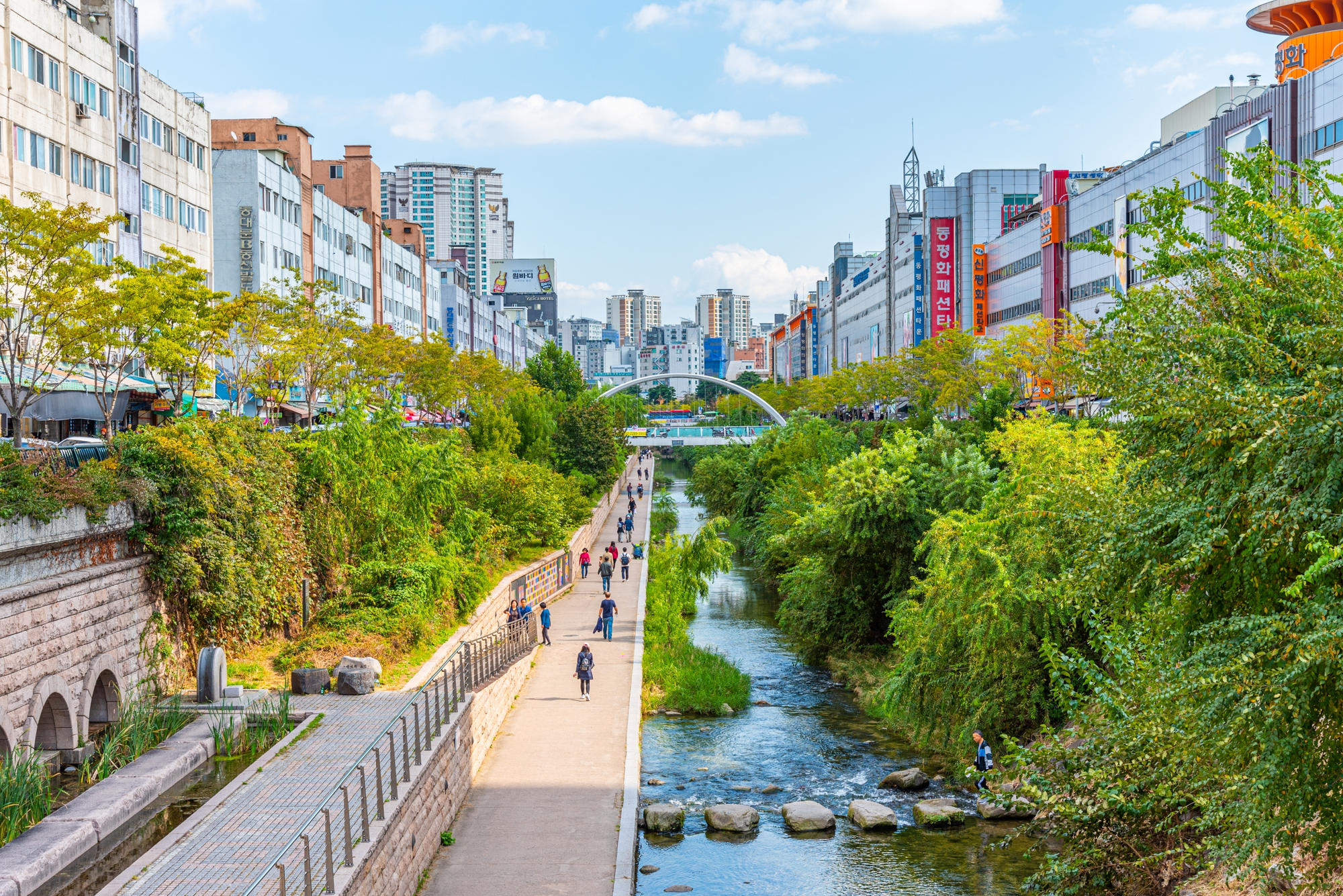
Cheonggyecheon is an artificial stream stretching 10,84km through central Seoul, according to Wikipedia and the Seoul Metropolitan Government. In the past, the stream was covered with concrete to build an elevated expressway during 1958-1976. Seoul later restored the stream during 2003-2005 at a cost of about 386 billion won, equivalent to about 281 million USD at the time.
Cheonggyecheon is open 24/7 and is completely free. The best time to go is in the evening, when the LED lights along the stream turn on from around 19h. The soft golden light reflects on the water, and Seoul locals sit on both banks chatting quietly, creating a very relaxing atmosphere.
Every year in 11, the Seoul Lantern Festival is often held along Cheonggyecheon. Hundreds of paper lanterns are lit on the stream, becoming one of the most iconic images of autumn in Seoul.
Entertainment: 2 family-friendly spots
Lotte World Adventure
Lotte World in Jamsil includes the indoor Adventure zone and the outdoor Magic Island. The park opens from 9h30 to 22h. The adult gate price is about 62.000 KRW, but if you buy online through Klook or KKday, the price is usually discounted by 45-55%, to around 30.000-39.000 KRW.
If possible, you should avoid going on Saturdays because popular rides can require a 60-90 minute wait. On weekdays, if the weather is not too nice, waiting time is usually only about 15-25 minutes. Magic Island is most beautiful at night, when the Disney-style castle lights up. This is also why Lotte World is often chosen as a dating backdrop in Korean dramas.
Everland
Everland is the largest amusement park in South Korea, located in Yongin, suburban Seoul. The park has 5 themed zones with more than 40 rides and a safari area with animals. The adult gate price is about 59.000 KRW; if you buy online through Klook, the price is often around 39.000 KRW according to Korea Insider 2026.
From central Seoul, it takes about 1 g hours by subway combined with a shuttle bus. The two busiest seasons are tulip season in 4 and Halloween in 10, so it’s best to book tickets 3-5 days in advance. The safari experience at Everland is very suitable for children: you can see white tigers, lions, and many other animals from very close range through the glass.
Shopping streets and late-night food: 5 lively districts
Myeongdong
Myeongdong is Seoul’s most famous shopping street. This area has more than 50 Korean cosmetics stores such as Olive Young, Innisfree, Etude House, as well as Uniqlo, ZARA, H&M, and a bustling late-night food street. Stores usually open from 10h to 22h, while food stalls may sell until 1h in the morning.
Some dishes worth trying include tornado potato for about 4.000 KRW, sugar hotteok for about 2.000 KRW, and large gimbap for about 5.000 KRW. Prices in Myeongdong are usually about 20% higher than in other areas because it is a tourist district, but in return it is very convenient, easy to get around, and always lively.
From around 22h, the stalls light up, the smell of fried food fills the street, and tall buildings above glow brightly. This is one of Seoul’s most characteristic nightlife scenes.
Hongdae
Hongdae is the youthful district around Hongik University, active from around 10h in the morning until 2h the next morning. The area has more than 100 cafes, from specialty coffee shops to themed cafes such as Hello Kitty, Studio Ghibli, and K-pop. On weekends, busker groups often perform street music from 18h to 22h near Hongdae Walking Street.
Hongdae is especially suitable for solo female travelers or young couples. The atmosphere is safe, easy to walk around, and full of beautiful cafes for remote work or resting. Sitting alone in a Hongdae cafe at 4 in the afternoon, watching groups of young Koreans checking in outside, you’ll still feel happy and not lonely at all.
Gangnam + COEX Starfield Library
Gangnam is Seoul’s upscale district, home to major entertainment companies such as SM Entertainment, HYBE, and JYP. A must-see here is the Starfield Library at COEX Mall, a free public library with a 13m atrium, more than 50.000 books, and 600 magazines according to Visit Seoul.
Visitors can come in to read, work, and use the free wifi. The 13m-high bookcases running through the mall create a striking feeling, like a library straight out of a movie, yet located right inside Seoul’s modern shopping center. For K-pop fans, you can combine this with a visit to K-Star Road, where 17 GangnamDol statues bearing the names of famous music groups are displayed.
Dongdaemun Market
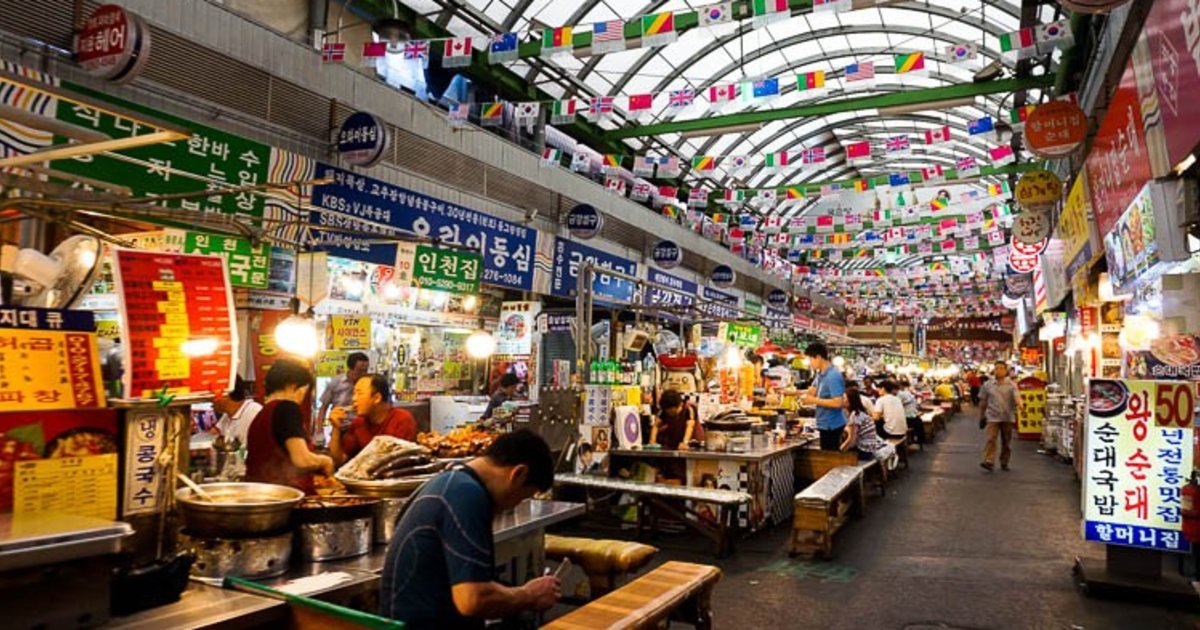
Dongdaemun is a famous night market district, operating from 20h to 5h in the morning. It is a paradise for those who like late-night shopping, with many buildings such as Doota, Migliore, Hello apM, and thousands of shops selling clothing and accessories at wholesale prices.
If you know how to bargain, prices in Dongdaemun can be about 30-40% cheaper than in Myeongdong. You can combine it with DDP, since the two places are only about 5 minutes on foot apart. A reasonable itinerary is to visit DDP from 17h to 19h, then go shopping in Dongdaemun until 22h-23h.
What’s interesting is that even at 1 in the morning, many shops are still open. Young Koreans shop and eat spicy tteokbokki late into the cold night, creating an experience that feels quite different for Vietnamese travelers, who are used to streets closing earlier.
Common Ground
Common Ground in Konkuk is a special shopping mall built from 200 blue shipping containers. The area is open from 11h to 22h, and has more than 70 independent Korean fashion brands, rooftop cafes, and a small food court.
Common Ground is suitable for those who want a Korean style but do not like overly common fast fashion brands. On weekends, there are often pop-up events and rooftop DJs. The atmosphere on the container rooftop in Konkuk, with indie music and groups of young Koreans chatting, has a very different vibe from Myeongdong.
Traditional market: Gwangjang Market
Gwangjang Market was established in 1905 and is Korea’s first traditional market with more than 120 years of history according to Visit Seoul. The main market opens from 9h to 18h, while the Meokjagolmok food stall area usually operates from 9h to 23h.
4 dishes to try at Gwangjang Market include:
- Bindaetteok, fried mung bean pancakes: about 5.000 KRW each. Soonhee Bindaetteok is a famous stall, with hot, crispy, rich, and fragrant pancakes.
- Mayak gimbap: about 4.000 KRW for 8 rolls. This is a mini gimbap usually eaten with spicy mustard sauce.
- Yukhoe, Korean beef tartare: about 18.000-25.000 KRW per plate. This dish includes shredded raw beef, pear, and egg yolk. Not everyone is brave enough to try it, but if it suits your taste, it is very memorable.
- Kalguksu, knife-cut noodles: about 8.000 KRW per bowl.
The market is busiest from around 19h, but famous stalls may sell out after 21h30. If you want both a lively atmosphere and an easier time finding a seat, it’s best to go around 11h-13h.
Suburban day trips: 2 day trip destinations
The two places below are very suitable to combine in one day because both are reached via the ITX line from Yongsan Station to Gapyeong. ITX tickets cost about 6.900 KRW one way, and the travel time is about 1 g hours.
Nami Island
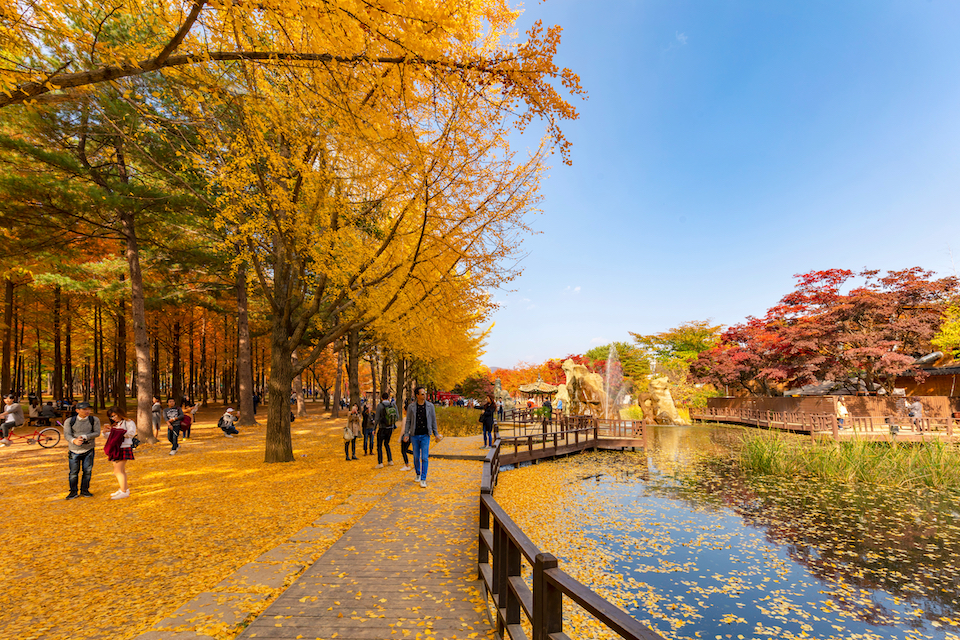
Nami Island is located in Chuncheon, Gapyeong area, and became famous thanks to the Korean drama “Winter Sonata” in 2002. Admission including round-trip ferry is 19.000 KRW for adults and 16.000 KRW for students and seniors, according to Visit Korea and Korea Insider 2026. The island is open from 7h30 to 21h.
Nami’s most iconic image is its straight row of metasequoia trees, stretching about 200m. Walking between the two rows of trees, which are 15-20m tall, with sunlight filtering down in patches, you will understand why this is one of the most popular photo spots for Vietnamese travelers visiting Korea.
Nami is beautiful in 4 when the leaves are fresh green, and in 11 when they turn yellow-brown. You can walk or rent a bicycle for about 4.000 KRW/hour to explore the island’s 7 main paths.
Petite France
Petite France is the “French village” in Gapyeong, inspired by Saint-Exupery’s “Le Petit Prince.” One park ticket is12.000KRW, the Petite France + Italian Village combo is19.500KRW according to Klook and Visit Korea. This area is open from9h to18h.
You can combine Petite France with Nami Island in the same day by taking a local Gapyeong taxi, costing about 6.000 KRW between the sites, or by taking bus 33-1. For couples who enjoy taking photos, a good plan is to visit Nami in the morning from 9h to 12h, then stop by Petite France in the afternoon from 14h to 17h to get beautiful light at both places.
The Little Prince statue display area among the flower gardens of Petite France creates the feeling of being in a tiny corner of Europe, even though it is still part of a trip to Korea.
See more: Seoul travel itinerary 2026: detailed 3, 5 and 7 days
How to choose places by season and interest
Not everyone needs to visit all 20 places on one trip. You should choose based on travel season, interests, and who you are traveling with to avoid wasting time in transit.
Choose by traveler type
- Couples who like taking photos: Bukchon from 10h to 17h, Ikseon-dong, Lotte Tower Sky Deck at night, Petite France.
- Families with children: Lotte World, Everland, Nami Island, COEX Aquarium.
- Solo female travelers who prefer quiet spaces: Ikseon-dong, Cheonggyecheon at night, Starfield Library, cafes in Hongdae.
- Fan K-pop: K-Star Road, the SM/HYBE/JYP headquarters area in Gangnam, Common Ground, Hongdae buskers.
- Food lovers: Gwangjang Market at lunchtime, Myeongdong street food at night, Hongdae cafes in the morning.
Choose by season
- Spring, months 3-5: Yeouido cherry blossom, Bukchon with spring flowers, Everland tulip festival.
- Summer, months 6-8: You should avoid outdoor spots from 12h to 15h because of the heat. Prioritize indoor places such as Lotte Tower, COEX, and Lotte World indoor.
- Autumn, months 9-11: Changdeokgung Huwon during red-leaf season, Cheonggyecheon with ginkgo trees, Nami Island’s yellow leaves.
- Winter, months 12-2: Cheonggyecheon Christmas Festival, Lotte World Magic Island, Everland during the transition from Halloween to Christmas.
Korea eSIM: A lifesaver for getting around Seoul
With 20 attractions spread across 6-7 districts of Seoul, you will need Naver Map and Papago to work reliably all day. Google Maps in Korea does not show walking directions accurately because of security regulations, so a stable 4G eSIM is very important. SIMPM offers an eSIM using the KT network, one of 3 Korea’s main carriers alongside SK Telecom and LG U+.
Why use an eSIM when visiting multiple places in Seoul?
There are 4 very practical reasons:
- Naver Map and Papago work reliably: helps reduce getting lost in Bukchon, Ikseon-dong, or areas with many small alleys where Google Maps does not show directions well.
- Use Kakao T to call a taxi: useful for places without a nearby subway station or when returning late from Lotte World or Everland.
- Upload photos in real time: post Instagram stories at Lotte Sky Deck, N Seoul Tower without worrying about roaming data charges.
- Vietnamese support 24/7: if you run into APN errors or cannot connect to the network in Seoul, you can contact the hotline immediately.
SIMPM eSIM plans for a 5-7 day Seoul trip
Vietnamese travelers to Seoul usually choose one of the following three plans:
- 5GB / 5 day plan – 280.000 VND: suitable for a standard 5N4D trip, enough for Naver Map, Papago, and basic photo uploads.
- 10GB / 7 day plan – 480.000 VND: suitable for a 6-7 day trip or combining Seoul – Busan by KTX.
- 3GB / 3 day plan – 180.000 VND: suitable for a short weekend trip.
All plans come with 4G/LTE at unlimited speed and SIMPM Vietnamese hotline 24/7.
Seoul has everything to make every trip memorable: from historic palaces and peaceful hanok streets to shopping districts, night markets, and brightly lit observation decks. To keep moving around smoothly, check Naver Map, use Papago, or call a taxi anytime, don’t forget to prepare Korea travel eSIM before you fly. Order an eSIM at SimPM, receive the QR code quickly by email, activate it easily, and have 4G ready as soon as you arrive in Seoul.