Is eSIM Good? Benefits, Comparison and Choosing Tips

eSIM is increasingly being mentioned as an alternative to traditional SIM cards thanks to its convenience and flexibility. However, whether eSIM is good, and whether it suits your actual needs, is still something many people wonder about. Let SimPM help you understand what eSIM is, how it works, its standout benefits, and who should use eSIM so you can make the right choice before deciding.
What is eSIM? The current demand for using eSIM
eSIM is an electronic SIM that is integrated directly into the device instead of existing as a removable physical SIM card. Functionally, eSIM still fully handles mobile network connectivity such as calling, texting, and data access, but the entire registration and plan management process is carried out through software. Users only need to scan a QR code or install the network profile issued by the provider to activate eSIM on the device.
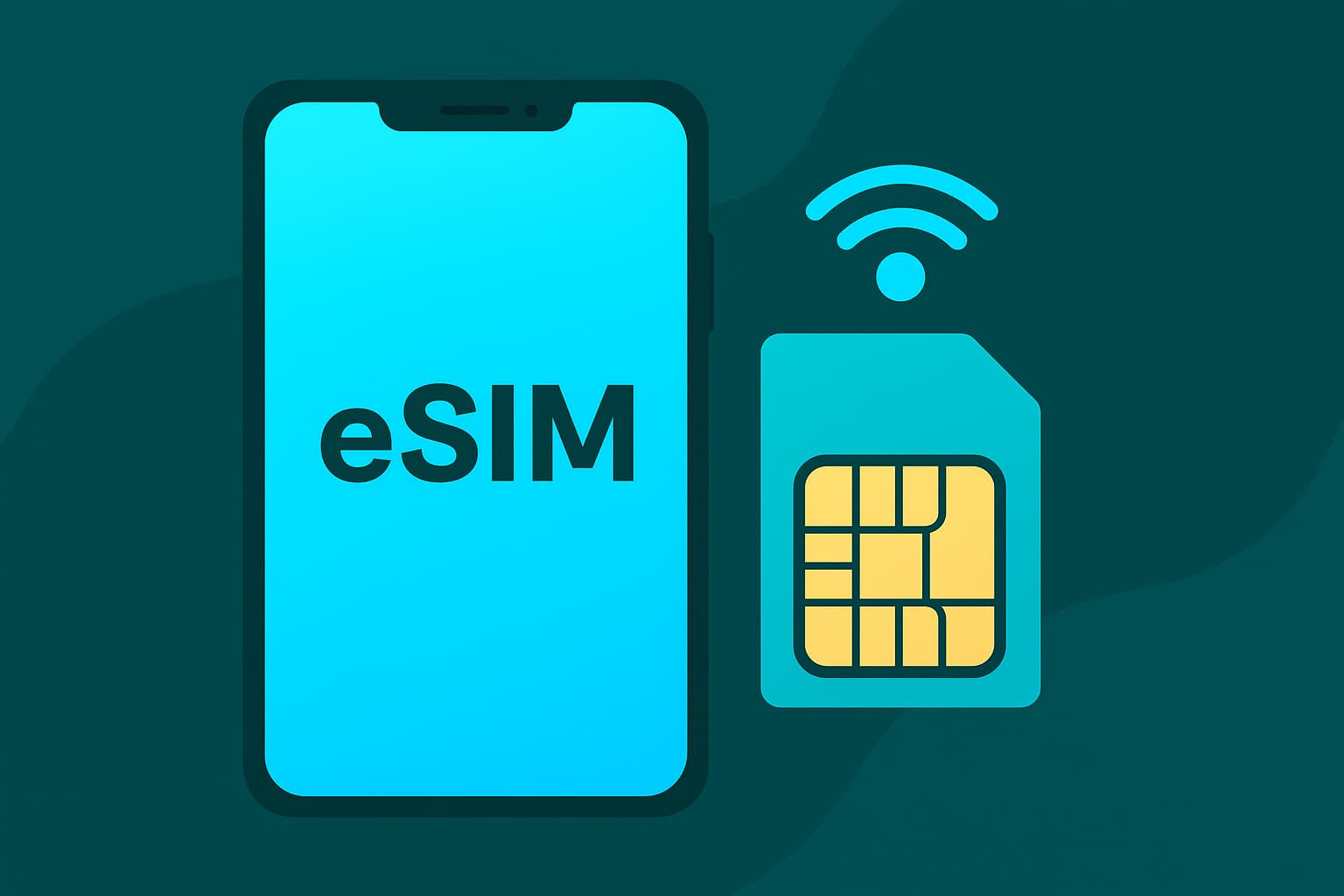
The demand for eSIM is rising strongly along with the popularity of newer smartphones and smart devices. Major brands such as Apple, Samsung, and Google have integrated eSIM into many product lines, showing that eSIM is no longer an experimental technology but has become a new standard in the mobile ecosystem. Users are increasingly accustomed to buying services online, activating quickly, and not depending on physical stores, which is driving eSIM’s rapid growth.
In addition, the boom in international travel and remote work has made the need for flexible internet connectivity more urgent. With eSIM, users can prepare connectivity before their trip and avoid being offline as soon as they arrive. This is why eSIM is highly valued by travelers, businesspeople, and people who frequently move between countries.
How eSIM works
eSIM operates based on a chip built into the device, allowing network information and plans to be stored as an electronic profile. Instead of inserting a physical SIM card, users download the network profile directly from the eSIM provider through a QR code or activation link. After installation, the device recognizes the eSIM as a regular SIM and begins connecting to the mobile network.
Technically, each eSIM is assigned a unique identifier, similar to the IMSI number of a physical SIM. When activated, the eSIM authenticates with the carrier through a remote management system, ensuring the device is allowed to access the network and use the registered service plan correctly. The entire process takes place on a highly secure platform, helping limit physical intervention and reduce fraud risks.
Is eSIM good? Benefits of using eSIM
From a professional and real-world experience perspective, it can be said that whether eSIM is good is no longer something to worry about too much. eSIM is a good solution, suitable for modern usage trends, especially for those who prioritize convenience, flexibility, and control over connectivity. The benefits below clearly show the value eSIM brings during use.
Convenient to use
eSIM helps users no longer depend on a physical SIM. Not needing to remove the device or insert a SIM tray reduces the risk of damage and saves time. Users can buy and activate eSIM completely online through a QR code, matching today’s digital service habits. In many cases, network access can be used on the device just a few minutes after payment.
Flexible for travel and business trips
One of the reasons many people look into whether eSIM is good is the need for connectivity when going abroad. eSIM allows you to prepare a data plan before your trip, without needing to buy a SIM at the airport or a local store. When you arrive at your destination, eSIM can be activated immediately to use the internet for essential needs such as maps, communication, and work. The ability to store multiple eSIMs on the same device also makes switching networks simple.
Safe and secure
Because eSIM is integrated directly into the device, it cannot be removed or stolen like a physical SIM. Managing eSIM through software gives users more control when locking or changing the network profile if needed. This is an important factor for those who care about personal information security and usage data.
Cost-effective in many cases
Compared with international roaming, eSIM offers clearer and easier-to-control costs. Users can choose the right data plan by day, by country, or by region, avoiding unexpected charges. For travelers or short-term business travelers, eSIM helps optimize the budget while still ensuring stable connectivity.
Suitable for modern usage trends
Beyond the direct benefits, eSIM also meets the trend toward compact and sustainable consumption by eliminating the need for plastic cards. The ability to manage multiple network profiles on the same device helps users separate personal and work needs. These factors clearly answer the question of whether eSIM is good and explain why eSIM is increasingly chosen by many people.
eSIM vs physical SIM: Which option is better?
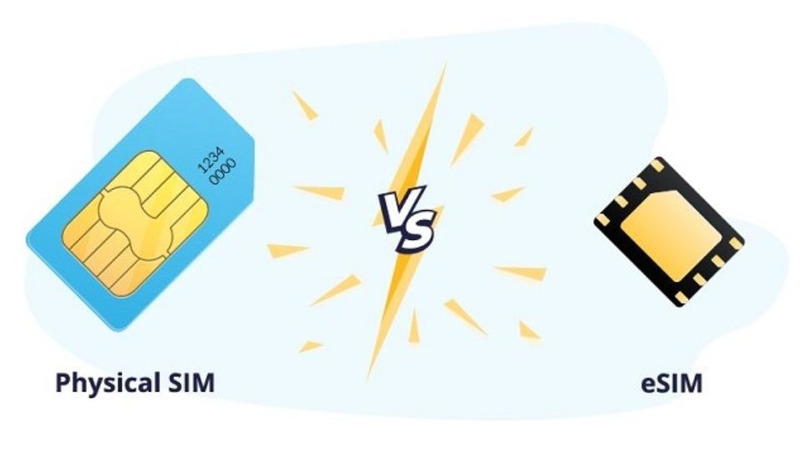
When comparing eSIM and physical SIM, many people often ask whether eSIM is good and whether it can fully replace the traditional SIM. In reality, each SIM type has its own advantages and suits different usage needs. A direct comparison will help users understand the differences clearly and make a more suitable choice.
| Criteria | eSIM | Physical SIM |
| Form | Electronic SIM integrated into the device | Removable SIM card, needs to be inserted into the tray |
| Activation method | Activate online via QR code or network profile | Need to insert the physical SIM into the phone |
| Convenience level | High, no need to remove the device or carry a SIM | Lower, requires insertion and removal |
| Flexibility | Store and switch multiple eSIMs on the same device | Each network change requires changing the SIM |
| Suitable for travel | Very suitable, activate before or upon arrival | Inconvenient, need to buy a local SIM |
| Safety and security | High, difficult to lose or swap the SIM | Easy to lose, risk of SIM swap |
| Compatibility | Limited to devices that support eSIM | Common on most devices |
| Traditional calling | Depends on the eSIM plan (if it is a travel eSIM) | Stable, easy to use |
| Cost management | Easy to control with clear data plans | May incur charges when roaming |
See more: How many SIMs can eSIM use? A clear A to Z explanation
Who should and should not use eSIM?
When learning whether eSIM is good, many people realize that eSIM is not a suitable solution for everyone. The value of eSIM is most evident when it is used for the right needs and in the right context. Identifying who should and should not use eSIM will help users make the right decision and avoid unwanted experiences.
Who should use eSIM
- People who frequently travel or go on international business trips and need internet connectivity as soon as they arrive.
- People using newer phones that support eSIM.
- People who prioritize convenience and do not want to remove and insert a physical SIM.
- People who need to manage multiple plans on the same device.
Who should consider carefully before using eSIM
- People using older phones or devices that do not support eSIM.
- People who need a lot of traditional calling within the country.
- People who use technology less and are not used to online setup.
See more: How to use eSIM when traveling: A detailed A to Z guide
Tips for choosing a quality and safe eSIM
To accurately assess whether eSIM is good, the deciding factor is not only the eSIM technology itself but also how users choose and use eSIM from the start. Careful preparation helps eSIM operate stably, ensures information security, and delivers the expected experience.
Check your device before buying eSIM
Before buying eSIM, users need to confirm whether the device they are using supports eSIM. Some phone models only support eSIM in certain versions or markets, so checking device information carefully is very necessary. In addition, the device must be unlocked to ensure the eSIM can be activated and connected normally. This check helps avoid buying an eSIM that cannot be used, causing waste and disrupting the experience.
Choose a reputable eSIM provider
eSIM quality depends greatly on the provider. Users should prioritize providers with transparent information about plans, coverage, and support policies. For international travel eSIMs, receiving the QR code quickly by email helps you set it up before your trip and avoid risks when arriving at a new destination. If you are looking for a convenient international travel eSIM, you can refer to the service at SimPM, where eSIMs are provided with QR codes sent quickly by email, making them easy to activate and use.
Read the coverage and usage conditions carefully
Before deciding buy eSIM, users need to check clearly whether the eSIM supports the country or region where they plan to use it. Some eSIMs only work within a certain area or connect to a specific carrier, affecting speed and stability. Reading the usage conditions, data limits, and fair use policy carefully helps users avoid misunderstandings during use.
Pay attention to activation time and data plan validity
Activation time and data plan validity are easy to overlook, but they directly affect how effectively eSIM is used. Many travel eSIM plans start counting time as soon as they are activated, so users should activate them at the right time they need to use them to avoid wasting data days. Tracking the plan validity also helps you renew or switch to another plan when necessary.
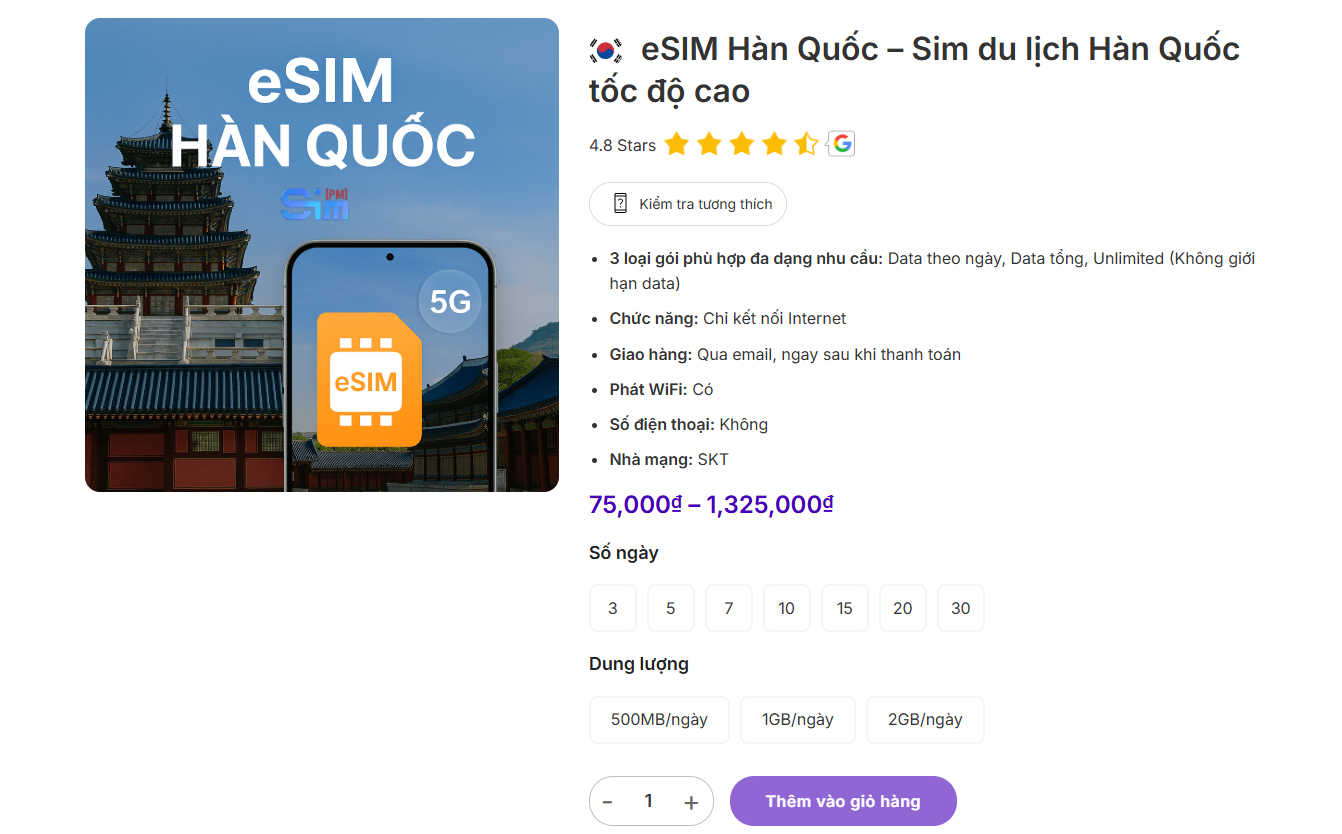
So, we have fully answered readers’ question of whether eSIM is good by analyzing the technology’s nature, benefits, limitations, and how to choose a suitable eSIM. If you are looking for eSIM such as Korea eSIM, China eSIM, Japan eSIM, Thailand eSIM and many other countries, please refer to international travel eSIMs at SimPM to receive the QR code quickly by email and connect as soon as you arrive.