How to Use an eSIM When Traveling: A Detailed A–Z Guide

On overseas trips, maintaining a stable internet connection is an essential need for most travelers. eSIM is gradually becoming an alternative to physical SIM cards thanks to its convenience and the ability to prepare before departure. SimPM will help you understand how to use an eSIM while traveling so you can stay connected throughout your journey.
What is a travel eSIM?
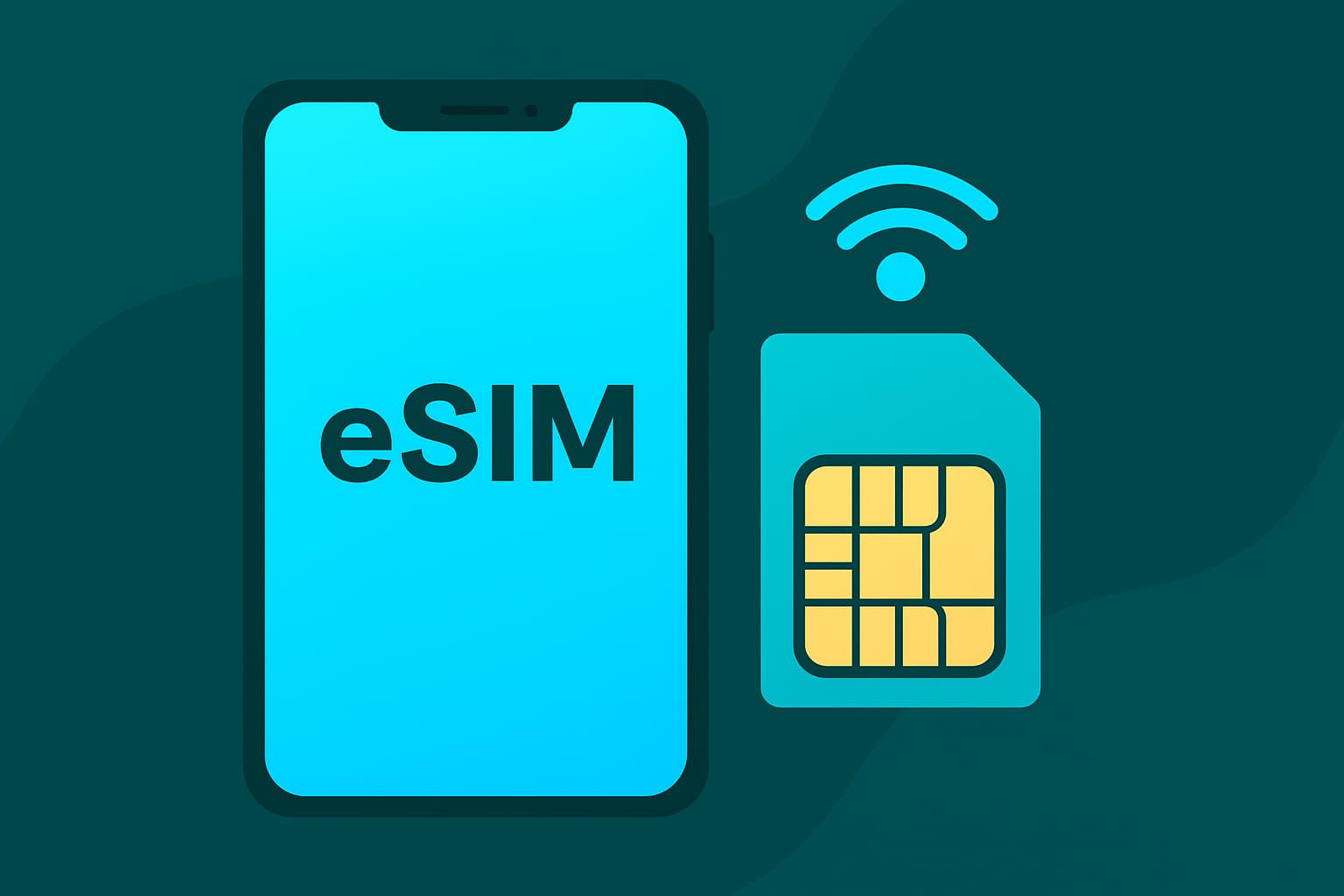
A travel eSIM is a built-in digital SIM in a mobile device that allows users to use mobile data abroad without inserting a physical SIM card. Instead of having to buy a SIM at the airport or a local store, users only need to scan a QR code to install and activate the eSIM plan that suits their destination.
In essence, a travel eSIM provides internet data through local carrier infrastructure, allowing the device to automatically connect to the network as soon as you arrive in the destination country, without complicated steps.
The current trend of using eSIM for international travel
In recent years, travel eSIMs have become a popular choice among international travelers thanks to their convenience and flexible connectivity. Instead of relying on physical SIM cards or high-cost international roaming, users increasingly prefer solutions that let them stay connected to the internet from the very start of their trip.

Changes in travel habits are a major driver of this trend. Independent travel, multi-country trips, and short business trips all require continuous internet access for maps, booking services, work communication, and handling unexpected situations. eSIM meets this need well by allowing installation in advance in Vietnam and immediate use upon arrival abroad, without wasting time looking for a SIM at the airport.
In addition, the eSIM market is becoming increasingly diverse, with many plans by country, region, or multiple destinations within the same journey. Users can choose a plan that matches their actual itinerary, length of stay, and data usage level, instead of having to switch SIMs repeatedly when traveling across multiple countries. This aligns well with today’s flexible and personalized travel trends.
The popularity of eSIM-compatible devices such as iPhone, Samsung, and Google Pixel has also helped speed up the transition from physical SIM cards to eSIM. As the technology becomes more accessible, eSIM is no longer a solution only for tech-savvy users but has become a familiar choice for everyday consumers as well.
It can be seen that eSIM is gradually becoming an essential connectivity trend in international travel, reflecting the shift from traditional solutions to digital technology that optimizes the experience and meets the uninterrupted connectivity needs of modern travelers.
Advantages and disadvantages of eSIM when traveling
Before deciding to choose an eSIM for an overseas trip, users need to clearly understand both the benefits and limitations of this connection method. Knowing the advantages and disadvantages will help you apply the right way to use an eSIM while traveling according to your actual needs, avoiding unwanted issues during your trip.
Advantages of eSIM when traveling
eSIM offers many clear benefits for international travelers, especially in the context of growing demand for continuous internet connectivity.
- Convenient and fast: Users can buy, install, and prepare the eSIM before the trip, without waiting or searching for a SIM at the airport. With just a few QR code scanning steps, the eSIM is ready to use upon arrival.
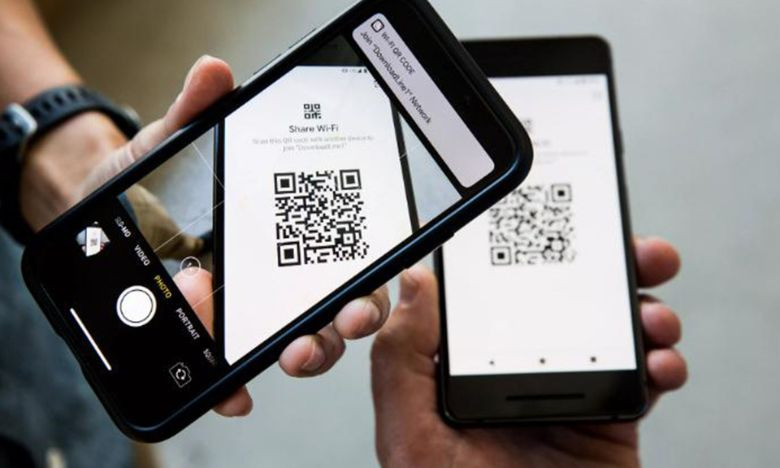
- No need to change SIMs at the airport: Not having to remove and insert a physical SIM helps reduce the risk of losing the main SIM, damaging the SIM tray, or mixing up SIMs when traveling across multiple countries.
- Keep your primary SIM for OTPs: This is a very important advantage for people who frequently make bank transactions, use financial apps, or need to receive verification codes. When using an eSIM, the primary SIM still works in parallel, ensuring communication and account security.
- Easy to manage and flexible: eSIM allows multiple plans to be stored on the same device, making it easy for users to switch when changing destinations or itineraries, which is ideal for independent trips and international business travel.
Disadvantages of eSIM when traveling
Alongside its notable advantages, eSIM still has one limitation that users should keep in mind: not every device supports eSIM. Some older phone models or domestic versions do not have eSIM integration, making it impossible for users to use this option. Therefore, before learning how to use an eSIM while traveling, you need to carefully check whether your device supports eSIM to avoid buying a plan that cannot be used.
Overall, with a compatible device, eSIM is a modern, convenient, and efficient connectivity solution for international travel. Understanding the advantages and disadvantages will help you choose the right way to use it and optimize your internet experience throughout your trip.
See also: Thailand Travel eSIM: What You Need to Know Before Buying and Using
What you need to know before using an eSIM while traveling
Before choosing an eSIM for an overseas trip, users need to make sure their device meets all basic technical requirements. Checking in advance will help the installation process go smoothly and ensure you apply the correct way to use an eSIM while traveling, avoiding situations where you buy an eSIM but cannot activate or use it.
Does the device support eSIM?
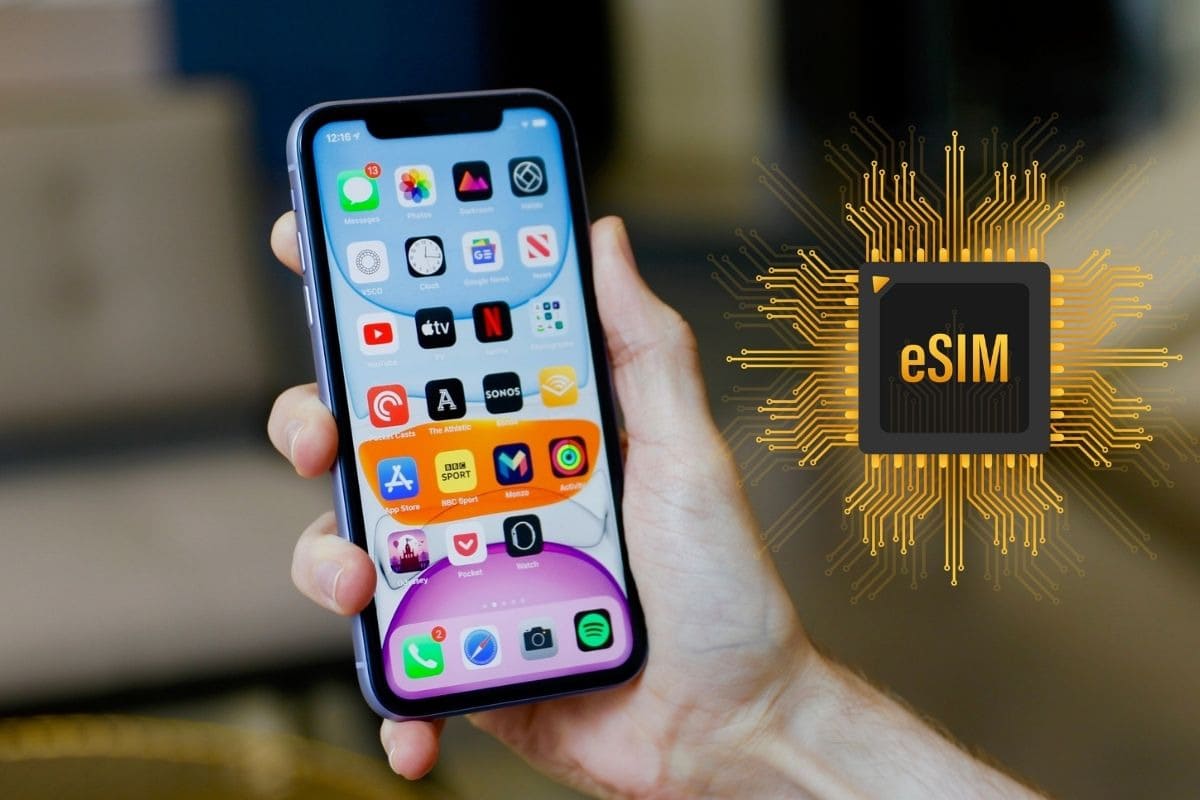
eSIM only works on phone models with hardware support. Currently, the popular devices compatible with eSIM include:
- iPhone: Supports eSIM from iPhone XS, XS Max, XR; iPhone SE (2020, 2022) and all iPhone models from iPhone 11, 12, 13, 14, 15, 16 to iPhone 17 (including Mini, Plus, Pro, Pro Max, Air, e versions), in which the iPhone 13 to iPhone 17 lines can activate two eSIMs simultaneously.
- Samsung: Supports eSIM on many models including Galaxy S20 to S25 Ultra (including FE versions), Galaxy Note 20 and Note 20 Ultra 5G, Galaxy Z Fold models (from Fold 1 to Fold 7) and Galaxy Z Flip models (from Flip 1 to Flip 7, Flip 7 FE), along with some Galaxy A models such as A54, A55 5G, A35, A56, A36.
- Google Pixel: Supports eSIM from Pixel 2, Pixel 2 XL to Pixel 10 Pro XL, including Pixel Fold.
Besides the three popular brands above, some other brands also support eSIM on certain models such as Huawei, Oppo, Xiaomi, Sony, Motorola, Honor, Asus, Nokia, OnePlus, Realme, and Nothing; however, support still depends on each model and distribution market. Check exactly whether your device supports eSIM at: eSIM-supported device list.
Is the device carrier-locked?
In addition to eSIM support, the phone must be an international version and not carrier-locked. A locked device can only use the SIM of a fixed carrier and will not be able to install an international travel eSIM.
Before buying an eSIM, users should check the carrier-lock status by inserting a SIM from another carrier or confirming directly with the seller to ensure the device is compatible.
Having an internet connection when installing the eSIM
The eSIM installation process requires a stable internet connection to download the configuration. Therefore, users should install it while still in Vietnam or in a place with stable Wi-Fi, avoiding doing so on a weak network.
Understand the eSIM plan before using it
Each travel eSIM plan will have a different country coverage, validity period, and data allowance. Reading the plan details carefully before purchase will help you choose the right plan and use it effectively according to the correct way to use an eSIM while traveling.
See also: How to Activate a Travel eSIM: A Detailed Guide for Beginners
Detailed guide to using an eSIM while traveling
To keep the eSIM running stably and deliver a seamless connection experience throughout your trip, users need to follow each step correctly, from choosing the eSIM plan to installing and configuring it on the device. Below is a detailed guide on how to use an eSIM while traveling, drawn from practical experience deploying eSIMs for many different customer segments.
Step 1: Buy a travel eSIM that fits your itinerary
Choosing the right eSIM plan is a key factor in determining how effectively it will work. Before buying, you need to clearly identify the country or region you will visit, the number of days you will stay, and how much data you need each day. For multi-country trips, you should prioritize regional eSIM plans to avoid having to change settings multiple times.
Users should buy eSIMs from dedicated international travel eSIM providers such as SimPM to ensure the eSIM plan is compatible with the device, information is transparent, and technical support is available when needed.
Step 2: Install the eSIM correctly
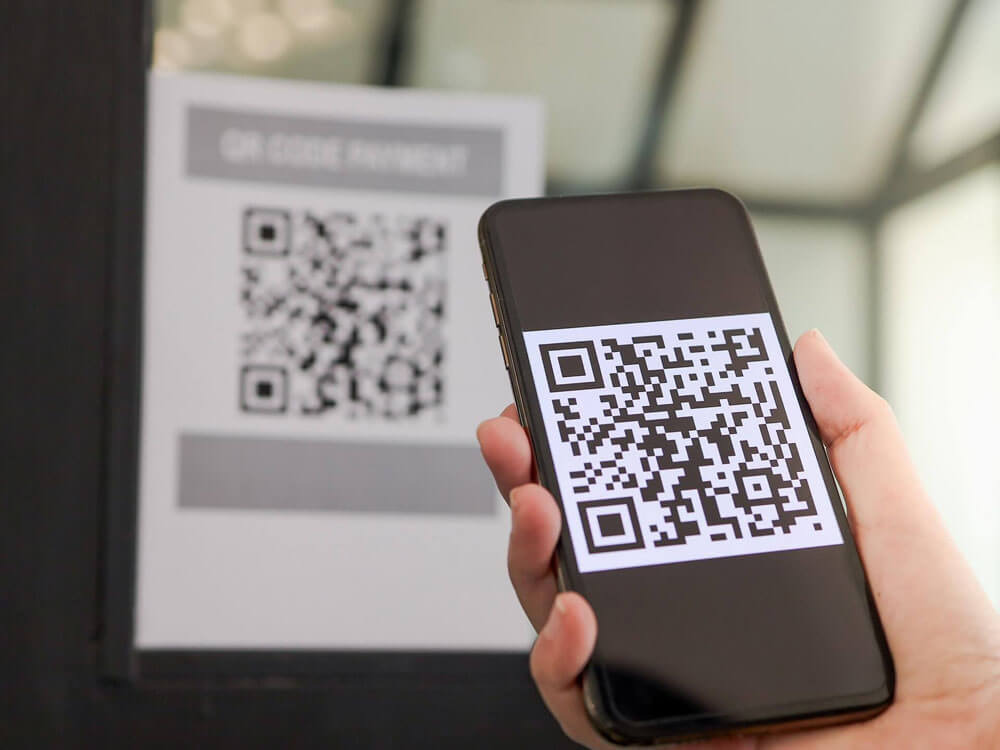
After completing your eSIM purchase, SimPM will send the eSIM QR code by email. To install it, you need to make sure your phone is connected to a stable internet connection.
The common installation method is to use the camera to scan the QR code or go to the mobile settings on your phone to add the eSIM plan. The process only takes a few minutes but must be done carefully, avoiding scanning the code multiple times or deleting the eSIM after installation.
The installation interface on iPhone and Android differs in menu names and steps, but both follow the principle of adding an eSIM with a QR code. You should install the eSIM while still in Vietnam, but only activate mobile data once you have arrived in the destination country to avoid the eSIM time starting too early.
Detailed instructions for each device model can be found at: eSIM installation guide.
Step 3: Configure the eSIM for effective use upon arrival
When you arrive at your destination, you need to adjust a few settings so the eSIM works properly and stably.
First, set the eSIM as your primary mobile data line so all internet connectivity uses the travel eSIM. Next, you should turn off data roaming on the physical SIM to avoid unexpected international roaming charges.
In addition, naming the eSIM after the country or plan you are using will help you distinguish it more easily when using multiple SIMs in parallel or storing multiple eSIMs on the same device, especially useful for people who frequently travel internationally.
Completing all the steps above will help you apply the correct way to use an eSIM while traveling, ensuring stable, proactive, and worry-free internet connectivity throughout your overseas journey.
Important notes when using eSIM during your trip
To keep the eSIM stable and avoid connection interruptions throughout your journey, users need to pay attention to several important points during use. Understanding the notes below will help you apply the correct technical way to use an eSIM while traveling and minimize any issues that may arise.
- Do not delete the eSIM before the plan is used up: When the eSIM is deleted, all remaining data allowance will be lost and cannot be restored, even if the plan is still valid.
- Do not reset the phone during use: Restoring factory settings may remove the eSIM configuration or prevent the eSIM from being activated again.
- Control data usage throughout the trip: Limit high-resolution video streaming or large downloads if the eSIM plan has a limited data allowance, and monitor your data usage in the settings.
- Make sure the eSIM is selected as the primary mobile data line: If the physical SIM is selected by mistake, the device may not connect to the network or may incur unwanted roaming charges.
- What to do if the eSIM cannot connect to the network: Try toggling Airplane Mode, restarting the device, or checking the mobile data settings again; if it still will not connect, contact the eSIM provider’s technical support team.
- Keep the eSIM information and QR code email: Keeping the eSIM plan information will make it easier to verify details and receive support when needed during your trip.
Following the notes above will help you use eSIM safely, stably, and efficiently for connectivity according to the correct way to use an eSIM while traveling in any situation.
Based on the guide above, you can fully apply the way to use an eSIM while traveling proactively. If you are preparing for an overseas trip and want to choose a high-quality, easy-to-use eSIM with clear technical support, please explore SimPM’s international travel eSIM plans. SimPM offers a wide range of eSIM plans by country and region, transparent information, quick installation, and support throughout your journey, helping you stay fully connected wherever you go.