11 Important Things to Know When Traveling to China

Things to note when traveling to China are something you should not overlook if you plan to go independently for the first time. This country has many differences in internet access, payment, and communication compared with other countries. If you do not prepare in advance, you may easily run into difficulties connecting to the network, spending money, or getting around. The article below will summarize 11 important things to know when traveling to China to help your trip go more smoothly.
A China travel visa should be prepared at least one month in advance
The most important thing to note when traveling to China for Vietnamese visitors is the visa issue. Unlike many countries in the region, China does not offer visa-free entry for Vietnamese passports, so you are required to have a valid visa before departure.
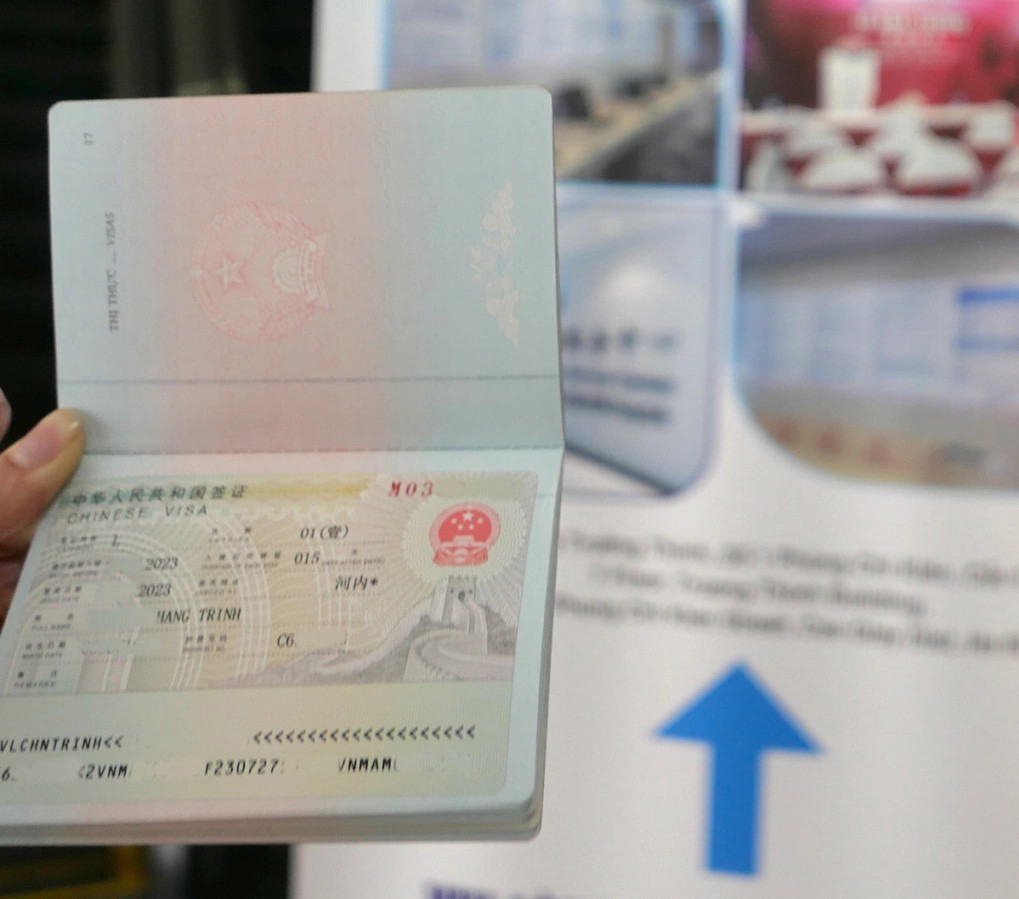
The processing time for a China travel visa is usually not fixed and can be extended depending on the time of year, especially during peak travel season or when application volume rises. In practice, preparing documents, submitting the application, and waiting for approval often takes several weeks, not including cases where additional information or further verification is required.
In addition, visa application requirements for China differ between the northern and southern regions, which can leave many travelers unprepared if they rush. Therefore, you should plan to apply for your visa at least one month before departure to avoid affecting your flight and hotel bookings.
Internet and social media are blocked in China
One thing many travelers often overlook when traveling to China is that internet access is not the same as in other countries. China uses a strict network control system, which means many familiar international platforms cannot be used without prior preparation.
Popular services such as Google, Facebook, Instagram, and Zalo are all blocked when using a Chinese local SIM card. This creates major inconvenience for travelers when looking up information, contacting family, using maps, or logging into personal services.

Many people choose to install a VPN to bypass the firewall, but this solution has many risks. VPNs can be blocked unexpectedly, connection speeds can be unstable, and they are often difficult to set up once you are already in China. If the VPN stops working, travelers can easily end up completely disconnected.
A solution many travelers choose nowadays is to prepare a SIM card or buy a travel eSIM that uses international infrastructure and can be activated before departure. With this method, users can access familiar services such as social media, email, and search engines reliably without needing a manual VPN.
See also: How much does a China eSIM cost? Updated price table & buying guide
Temporary residence registration is required within 24h after entry
According to China’s immigration regulations, foreign travelers are required to register their temporary residence within 24 g hours after entry. This is an important legal requirement that many independent travelers often overlook.
If you stay at a hotel, guesthouse, or another legal accommodation, the temporary residence registration is usually handled automatically by the accommodation provider through the local public security authority’s system. However, if you stay at a friend’s home, a short-term rental apartment, or a homestay that is not business-registered, travelers must go to the local police station on their own to report their temporary residence.

Failure to register temporary residence on time can lead to unwanted issues such as reminders, administrative fines, or difficulties with subsequent procedures during your stay. Therefore, this is an important thing to understand clearly to avoid unnecessary problems during your trip.
Cashless payment is the most common form of payment in China
When traveling in China, travelers will quickly realize that cashless payment is the most common form of payment in most daily activities. Domestic e-payment platforms such as Alipay and WeChat Pay have almost completely replaced cash in everyday life, from shopping and dining to transportation.

From convenience stores, local eateries, taxis to subways and tourist attractions, scanning QR codes through these apps is the common payment method. Meanwhile, cash is used less and less, and many shops do not keep enough change or do not prioritize accepting cash, which can confuse travelers who are not familiar with this payment method.
The reality above shows that not preparing a suitable e-payment method in advance can directly affect your travel experience, especially for first-time visitors to China.
Alipay must be registered and verified before going to China
Another thing to note when traveling in China is that Alipay is used for almost all daily spending activities. In practice, from ordering food, paying at restaurants, shopping, taking the subway or bus, to booking taxis, most transactions are made through Alipay.
To use Alipay smoothly, the app needs to be fully registered and verified before going to China. Verification requires a passport and takes processing time, so if you wait until after entry to do it, payment interruptions are very likely.
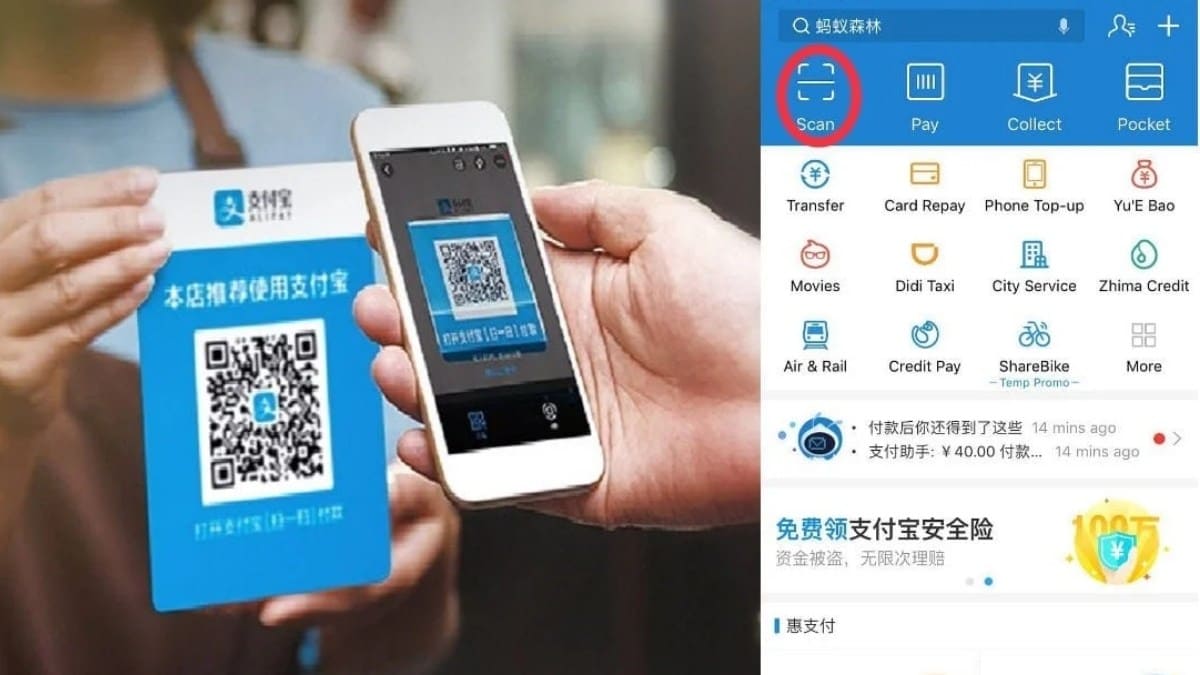
In addition, to reduce the risk of transactions being declined, linking an international Visa card in advance and checking payment capability before your trip is a necessary preparation step. Once Alipay has been verified and is running smoothly, travelers can proactively pay for most services throughout the journey without needing cash.
Suitable maps and navigation apps for getting around in China
When traveling around China, using maps and navigation apps is quite different from habits in other countries. Not every international map app works smoothly, so choosing the right tool will help travelers find routes, change lines, and use public transportation more proactively, even without knowing Chinese.
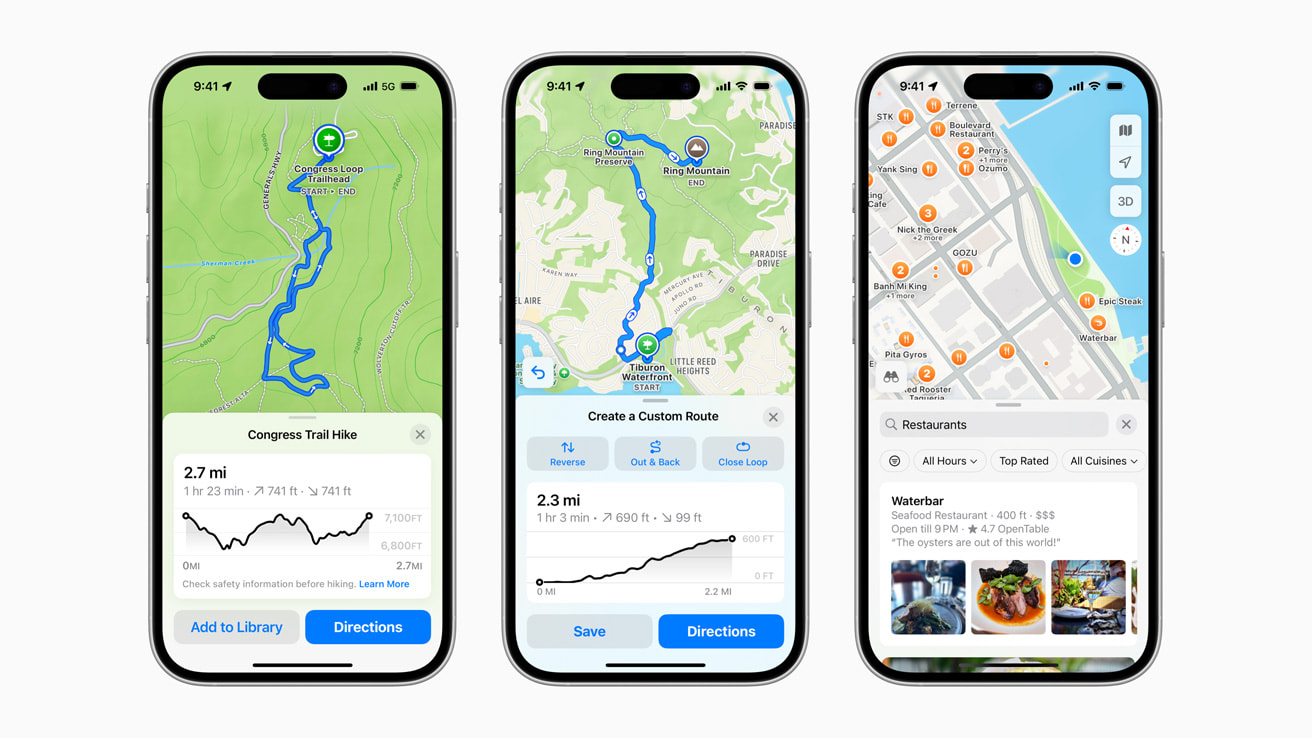
For iPhone users, Apple Maps is a fairly convenient choice. The app supports route finding, subway and bus route lookup, and detailed guidance for each leg of the journey. Information such as line numbers, stops, and the number of stations to pass through is displayed in English, making it easy for travelers to follow even when using public transportation for the first time.
For Android users or those who do not use iPhone, Amap (Gaode Maps) is one of the popular local map apps in China. The app provides detailed traffic information and supports navigation for subways, buses, and walking. Although the interface is mainly in Chinese, the route layout and line numbers are quite intuitive and can still be learned after a short time using it.
In addition, Baidu Maps is also widely used when getting around major cities. This app has complete and up-to-date map data, suitable for checking routes, though it may be difficult at first for travelers who do not know Chinese.
The subway and public transportation are convenient travel options
In major cities in China, the subway and public transportation systems are well developed and connected from downtown areas and attractions to airports. Thanks to their wide coverage and reasonable cost, these are transportation options chosen by many travelers, including those who do not know Chinese.
The subway system has clear signage, and station names and train lines are usually displayed in both Chinese and English. On trains and in stations, there are also announcements in English, helping travelers easily follow stops, the number of stations to pass through, and lines to transfer to. As a result, traveling by subway is quite simple, especially for first-time visitors to China.

When using public transportation, Alipay is often used to scan in and out of subway stations, replacing traditional paper tickets. This saves time buying tickets and reduces confusion when traveling across multiple lines.
With a well-developed public transportation system and a relatively intuitive usage method, travelers can absolutely get around by subway or bus to explore the city conveniently, without depending on taxis or the ability to speak Chinese.
Apps to install before traveling to China
To ensure your trip to China goes smoothly and to minimize language and technology barriers, it is advisable to prepare the necessary apps before departure:
- WeChat: The “must-have” app in China, integrating messaging, calls, payments, service bookings, and even account verification. Almost all daily transactions can be done through WeChat.
- Alipay: The most popular e-wallet, used for payments at stores, restaurants, subways, ride-hailing, and service bookings. It is recommended to register and verify the account before going to China to avoid interruptions when using it.
- Baidu Maps: A map and navigation app suited to China’s domestic transportation infrastructure, helping users find subway and bus routes and public places more accurately than many international apps.
- Didi: A ride-hailing app similar to Grab/Uber, operating widely across major cities. The interface supports English in some versions, making it convenient for international travelers.
- Meituan:Useful when ordering food, finding restaurants, cafes, or local services at local prices like a local.
Language barriers are something travelers need to prepare for mentally
When traveling to China, language barriers are a fairly common issue that many travelers encounter, especially if you do not know Chinese. Preparing mentally in advance will help you be more proactive and avoid feeling confused during transportation, dining, or daily communication.
- English is not widely used: In many cities, especially outside central areas or major tourist attractions, locals almost exclusively communicate in Chinese. Even in restaurants, shops, or on public transportation, English is not always supported.
- Signs and instructions are mainly in Chinese: Many signs, menus, or information on ticket machines are only displayed in Chinese, making it difficult for first-time travelers to China if they are not familiar with the characters.
- Prepare translation apps in advance: Installing translation apps beforehand will help you handle situations faster when you need to ask for directions, order food, or communicate basic information. Some apps SimPM recommends include Baidu Translate (suitable for the local environment, supporting text and voice translation) and Pleco (useful for looking up vocabulary meanings and quickly learning basic conversational phrases).
- Prepare simple communication phrases in advance: Saving some common Chinese phrases or illustrative images on your phone will make communication easier in necessary situations.
Ordering food and dining at local restaurants requires getting used to numbering
Among the things to note when traveling to China, how to order at local restaurants is one point that many travelers may find unfamiliar. Instead of naming dishes as in Vietnam, staff often ask customers to choose by item number on the menu, which makes ordering quicker and reduces misunderstandings due to the language barrier.
- Menus are usually clearly numbered: At many casual restaurants, each dish has an item number accompanied by a picture. Travelers only need to point to the number or read the corresponding number to order, without needing to know the dish name in Chinese.
- Limit spoken communication: At small eateries, staff may not speak English. Ordering by number helps both sides understand each other more easily, especially during peak hours when the restaurant is crowded.
- Payment and order confirmation are simpler: After ordering, you only need to remember the number you chose to compare when paying or when the staff brings out the dish. Many restaurants also display the list of items by number on the e-receipt when paying via Alipay.

A small tip for travelers: You should take a photo of the menu with the item numbers, or note down the numbers of your favorite dishes so you can order faster next time. This is especially useful when returning to a familiar restaurant or dining in a local area with few tourists.
See also: Detailed guide to activating a China eSIM from A to Z for iPhone and Android
Other things to note when traveling to China that you need to pay attention to
In addition to visa, internet, payment, and transportation considerations, travelers should also pay attention to a few other practical issues to avoid surprises during their trip to China.
- Exchanging money and using cash: Renminbi (CNY) is still used in some cases, especially in smaller areas or local shops. Travelers should exchange some cash before going to China or at banks and legal exchange counters so they can spend more flexibly when needed.
- Cuisine and local taste: Chinese cuisine is quite diverse, but many dishes are oily, spicy, or seasoned differently from Vietnamese taste preferences. When eating at local restaurants, you should ask carefully about the ingredients or choose popular, easy-to-eat dishes during the first few days to avoid making it difficult for your stomach to adapt.

- Daily schedule and opening hours: Daily life in China starts quite early compared with many other countries. Local eateries and traditional markets often open from around 6h-7h in the morning, and many places close at 20h-21h in the evening. Travelers should arrange their meals, shopping, and sightseeing accordingly to avoid arriving after a shop has stopped serving.
- Public rules and behavior: In China, queuing, keeping order in public places, and following security regulations are fairly strictly enforced. Travelers should pay attention to signs and instructions at train stations, airports, and attractions to avoid unintentional violations.
Hopefully the information above has helped you understand the important things to know when traveling independently to China, from procedures and transportation to payment and daily life. Preparing carefully from the start will help you be more proactive, reduce risks, and enjoy the journey to the fullest.
To reduce interruptions in communication and internet access when traveling to China, you can consider the solution China travel eSIM from SimPM. The eSIM can be activated quickly and used flexibly as soon as you arrive, helping travelers easily connect to the internet, look up information, and use the necessary apps throughout the journey.