When Is the Best Time to Visit Malaysia? Choose the “Golden” Time for Your Trip

Located near the equator, Malaysia has a distinctive tropical climate with year-round sunshine, emerald-blue seas, and vast tropical rainforests stretching from Peninsular Malaysia to the island of Borneo. So, when is the best time to visit Malaysia so you can fully enjoy the scenery, culture, food, and activities without your itinerary being disrupted by storms and heavy rain? The article below shares practical experience from 20 years in Southeast Asia travel consulting, along with detailed analysis by region and by month.
Malaysia’s climate overview before planning your trip
Before going deeper into the question of when is the best time to visit Malaysia, you need to understand the country’s climate characteristics so you can get the full picture and make the right choice.
Characteristic tropical monsoon climate
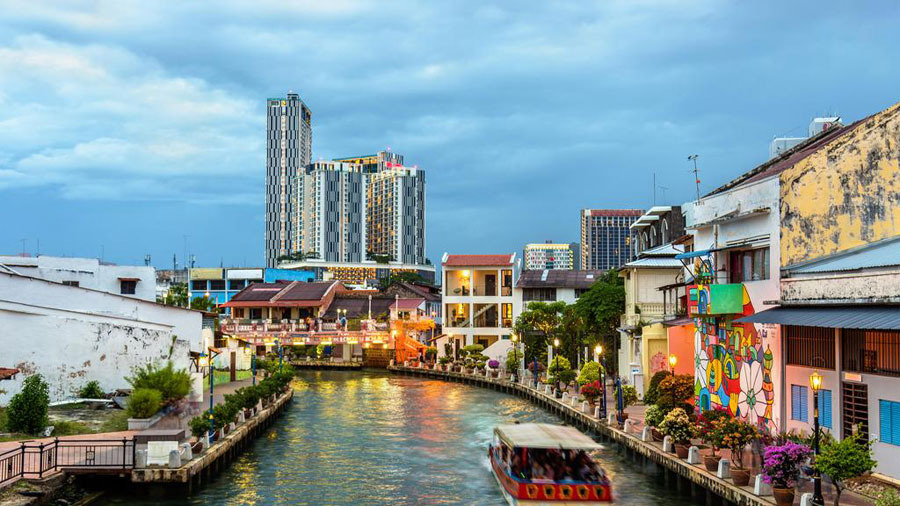
Malaysia lies at latitude 1 – 7° North, very close to the equator, so it has a typical tropical monsoon climate. The average annual temperature ranges from 24°C to 33°C, humidity stays high at 70 – 90%, and average annual rainfall reaches 2.500 – 3.000mm. Unlike Vietnam, which has four distinct seasons or two clear seasons, Malaysia is almost limited to two main weather conditions: dry season and rainy season, overlapping depending on the geographic region.
One interesting feature is that Malaysia’s temperature changes little by season but varies quite clearly within the day: early morning is around 24 – 26°C, midday can reach 32 – 34°C, the afternoon may bring a short shower and then clear up, and at night it drops to 25 – 27°C. On my personal trips to Kuala Lumpur, even in the month considered “dry,” sudden afternoon showers still happened like clockwork. This is very Malaysian and often surprises first-time visitors, but it also quickly softens the intense heat and leaves the evening air pleasantly cool.
Two monsoon seasons that determine the travel schedule
The key factor when considering when is the best time to visit Malaysia is the two monsoon winds that sweep across the peninsula, each affecting a different area:
The Southwest Monsoon runs from month 5 to month 9, bringing moisture from the Indian Ocean and causing light showers on the west coast of the peninsula, but the intensity is not high; it usually lasts only 30 – 60 minutes in the afternoon and does not affect tourism activities much.
The Northeast Monsoon runs from month 11 to month 3, bringing huge amounts of moisture from the South China Sea and causing prolonged heavy rain and strong winds on the east coast of the peninsula and in East Malaysia (Sabah, Sarawak). This is the time when many resorts and islands in the east must temporarily close, and ferry services to the islands are frequently canceled due to waves as high as 3 – 4m.
This contrast creates an interesting pattern that few countries have: when the west coast is beautiful, the east coast is rainy, and vice versa. Therefore, the answer to when is the best time to visit Malaysia depends greatly on the specific destination you have in mind rather than a single formula for the whole country.
Malaysia weather summary by 12 months
To help you visualize it, here is a quick summary table of the weather characteristics by month in the main regions:
- Months 1 – 3: dry west coast, beautiful sunshine; the east coast and Borneo still have late-season rain.
- Months 4 – 5: nationwide transition season, pleasant weather, with short showers.
- Months 6 – 8: the west coast has light evening rain; the east coast and Borneo have beautiful sunshine and calm seas.
- Months 9 – 10: transition season, rainfall gradually increases on the east coast.
- Months 11 – 12: the east coast and Borneo are in the heavy rainy season; the west coast and Kuala Lumpur are still accessible.
When is the best time to visit Malaysia? The short answer
When is the best time to visit Malaysia? The ideal overall time for a Malaysia trip is the dry season from month 3 to month 9 if your focus is islands, beaches, and exploring Borneo, and from month 12 to month 2 if you prioritize Kuala Lumpur, Penang, Langkawi, plus urban cultural, shopping, and food experiences.
This answer is not fixed because every traveler has different interests, budgets, and trip purposes. Some people love golden sunshine and blue seas, others prefer cool highland weather, and some enjoy immersing themselves in the atmosphere of multicultural festivals. The section below will analyze each region in depth so you can easily compare it with what you want.
When is the best time to visit Malaysia by specific region
Because of its complex geography, with a peninsula and large islands hundreds of kilometers apart, there cannot be a single “golden” time that applies equally to the whole country. Let’s analyze each area in detail to choose the most suitable time.
West coast of Peninsular Malaysia: Kuala Lumpur, Malacca, Penang, Langkawi
This is the area chosen by many Vietnamese travelers because it has KLIA, a major international airport, well-developed infrastructure, and many famous attractions. The west coast is shielded by the Titiwangsa Range, which has an average height of 1.500m running along the peninsula, so it is less affected by the Northeast Monsoon.
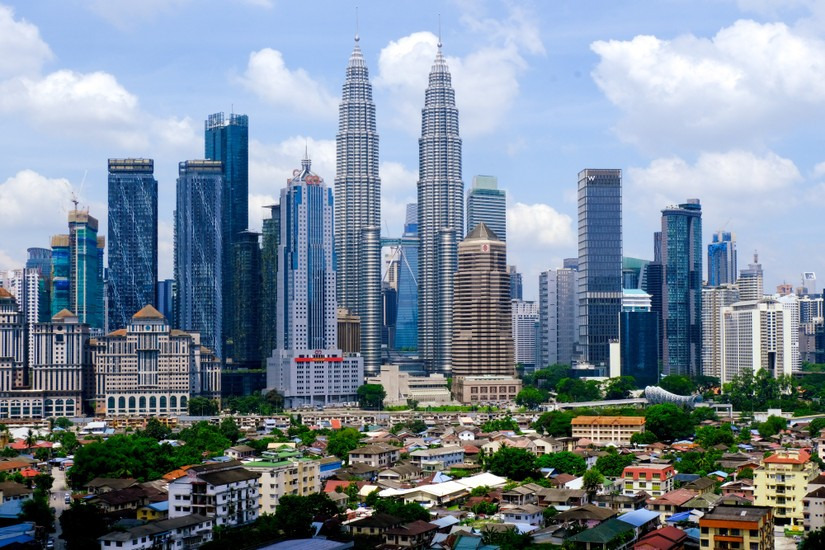
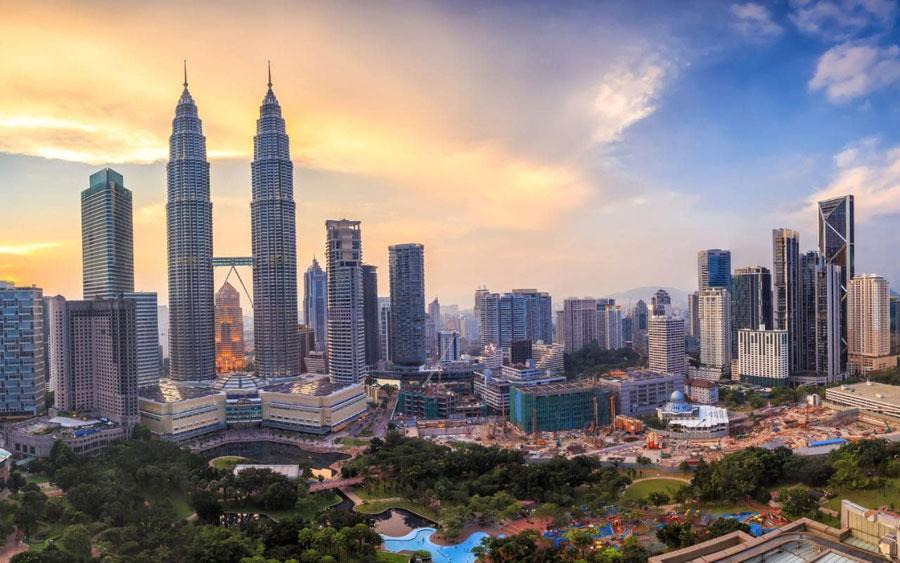
The best time to explore this area is from month 12 to month 4, when the weather is dry, sunny, rainfall drops significantly, and daytime temperatures range from 28 – 32°C. This is when Kuala Lumpur looks its most dazzling, and attractions such as the Petronas Twin Towers, KL Tower, and Batu Caves are ideal for photography and getting around.
For Langkawi in particular, my personal experience shows that month 1 to month 3 is truly paradise. The sea is as calm as a lake, visibility is far, the SkyCab cable car is not canceled due to wind, and beaches such as Cenang, Tanjung Rhu, and Datai are breathtakingly beautiful. Rainfall during this period is only around 60 – 100mm/month, much less than the annual average.
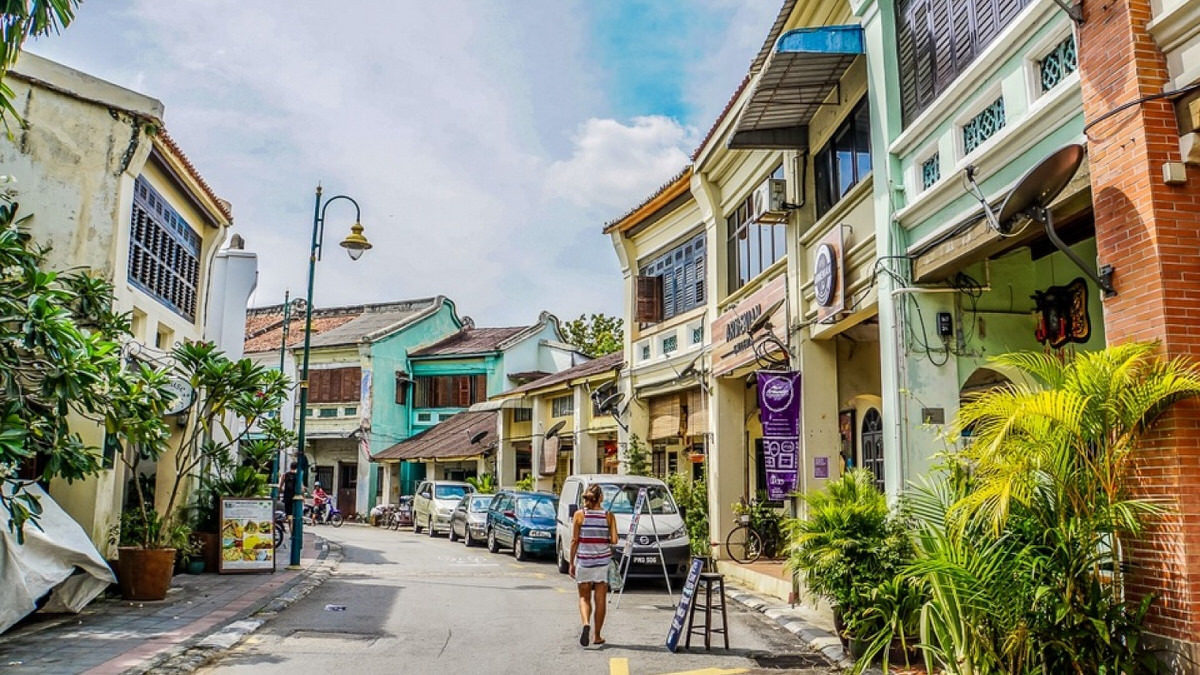
Penang has its own appeal year-round with the UNESCO-listed George Town heritage quarter, but it is still best from month 12 to month 3. Around month 7 – month 9, Penang sometimes experiences haze from forest fires in Indonesia drifting over, affecting visibility and health; this is an important point that many other articles do not clearly mention.
Cameron Highlands, about 4 g hours by car from Kuala Lumpur, is also beautiful year-round with temperatures of only about 18 – 22°C, cool air, and lush BOH tea hills. However, avoid month 10 – 11 because heavy rain can make trekking trails slippery and dense fog can obscure the scenery.
East coast of Peninsular Malaysia: Tioman, Redang, Perhentian, Kuantan
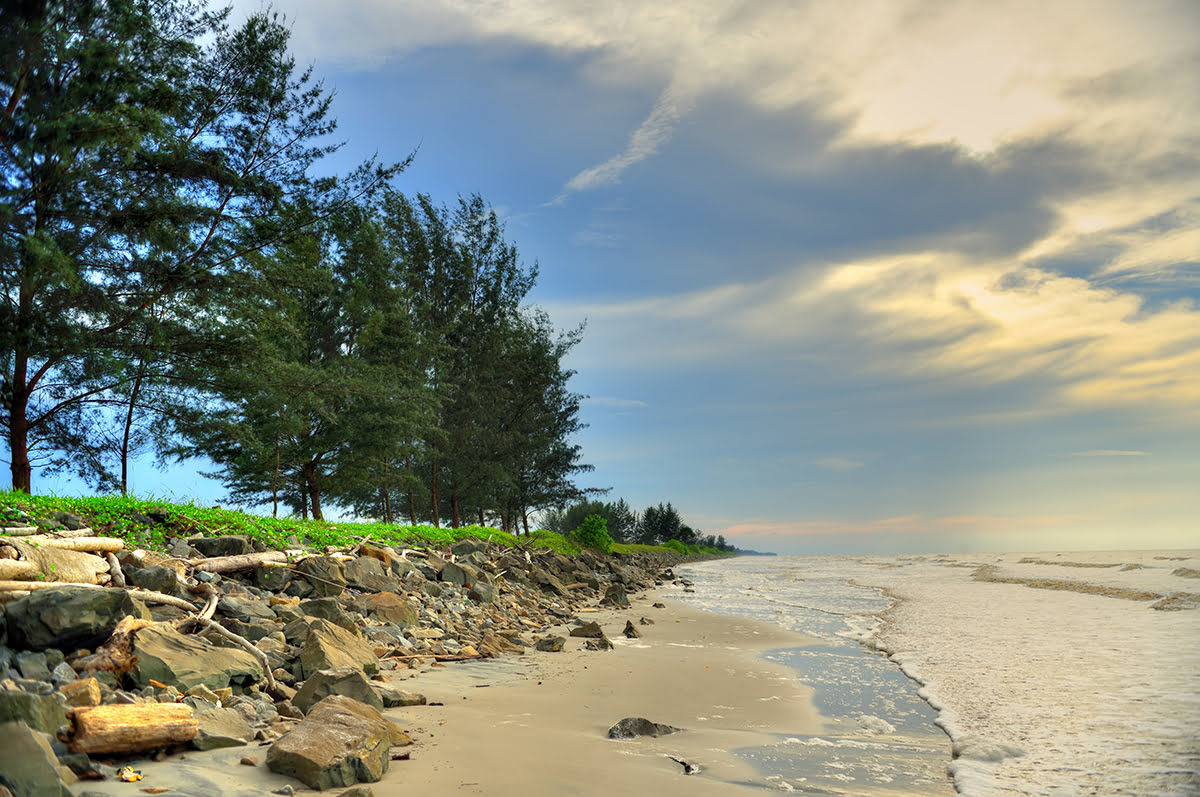
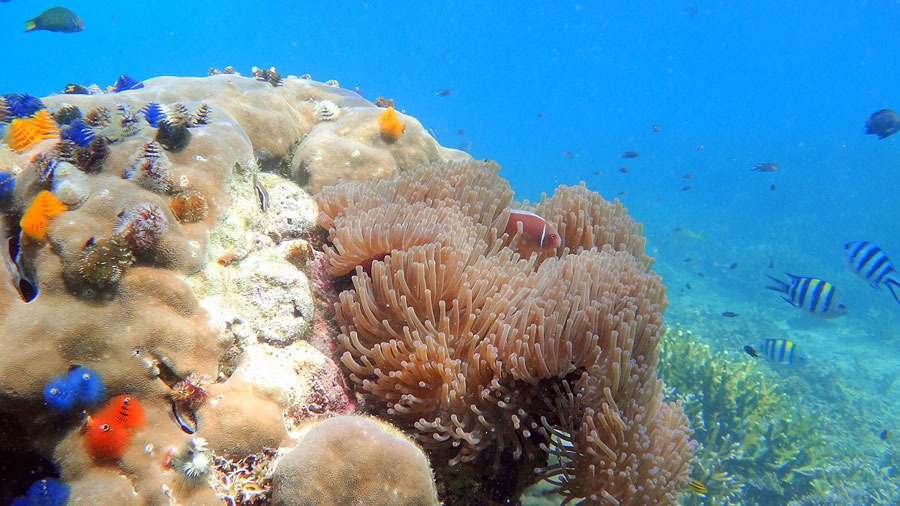
If you love pristine islands, coral diving, and snorkeling among untouched reefs, then the answer to when is the best time to visit Malaysia will be completely different. The east coast is best from month 3 to month 10, with peak season especially from month 5 to month 8 when the sea is clear, the waves are calm, and underwater visibility can reach 20 – 30m.
On my trip to Perhentian Kecil in month 6 of year 2023, I was truly amazed when underwater visibility reached nearly 30m, schools of trevally fish swirled in huge circles right next to Long Beach, and green sea turtles frequently appeared at Turtle Bay in the early morning. This is an experience that is hard to get in other months of the year, and it explains why international diving enthusiasts consider Perhentian one of the best dive spots in Southeast Asia.
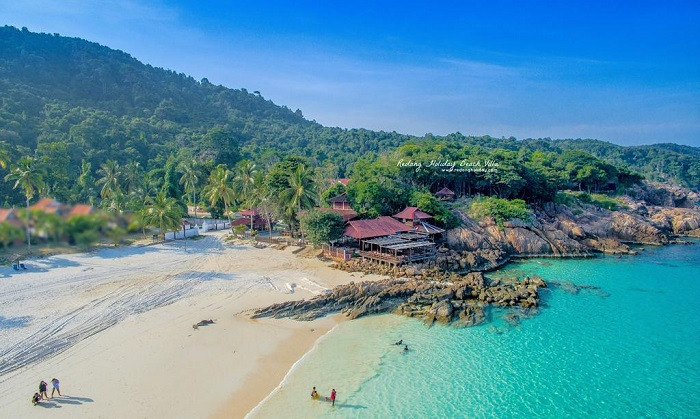
Redang Island is famous for its fine white sand and nearshore coral reefs, suitable for families with young children, and is best from month 4 to month 9. Tioman Island has more varied terrain with dense tropical rainforest, Asah Waterfall, and Salang fishing village, and is best from month 3 to month 10.
Absolutely avoid the period from month 11 to month 2 because the Northeast Monsoon brings big waves; most resorts in Tioman, Redang, and Perhentian close from the beginning of month 11 to the end of month 2 for maintenance, and ferries from Mersing and Kuala Besut are frequently canceled for maritime safety. This is a very important point that many travelers overlook, leading to booking accommodation only to find out the resort is not operating.
East Malaysia: Sabah and Sarawak on Borneo Island
Borneo has a rather special climate with pristine dense tropical rainforest, very high humidity year-round above 85% and more rainfall than the peninsula. This is a land of unique exploration experiences: climbing Mount Kinabalu at 4.095m, diving with hammerhead sharks at Sipadan, seeing orangutans at the Sepilok conservation center, and exploring the UNESCO-listed Mulu Caves.
The best time is from month 3 to month 9, with month 4 – month 8 being the ideal period to conquer Mount Kinabalu when the trail is dry, not slippery, and the view from Low’s Peak is clear. The 2-day 1-night climb tour during this period has a success rate of up to 90%, while in the rainy season it is only about 50 – 60%.
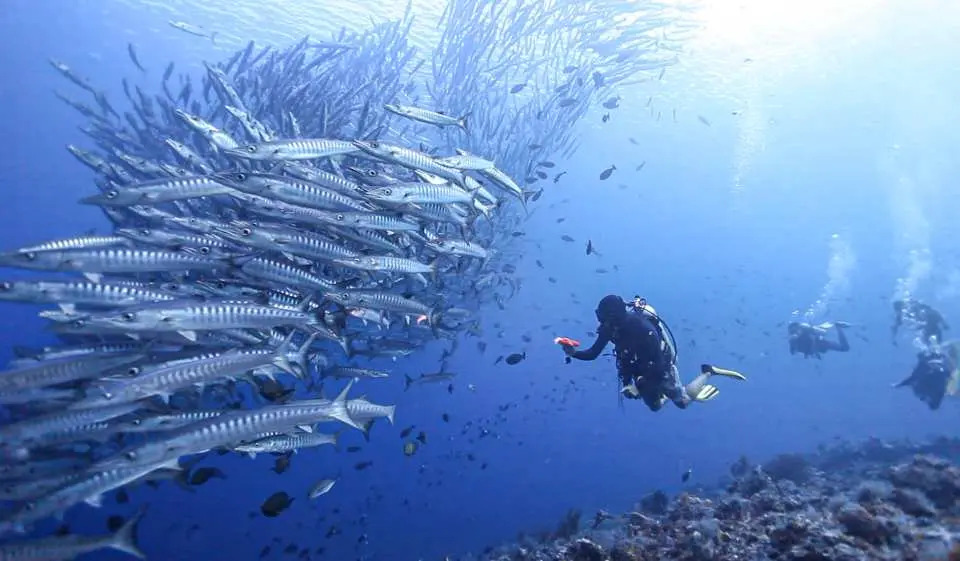
Diving at Sipadan (Semporna) is best from month 4 to month 12, with visibility of 30 – 40m, and you may encounter sea turtles, hammerhead sharks, and giant schools of trevally. However, Sipadan limits access to only 176 divers/day, so permits must be booked 2 – 3 months in advance.
Avoid traveling to Borneo from month 11 to month 2 because continuous heavy rain can close the Kinabalu climbing trails, affect rainforest tours, and disrupt night safaris on the Kinabatangan River to see proboscis monkeys and pygmy elephants. Some domestic flights from Kota Kinabalu to Mulu and Miri may also be delayed due to bad weather.
Which month is best to travel to Malaysia? Detailed analysis of 12 months
To help you clearly see which option suits you best, here is a detailed month-by-month analysis that thoroughly answers the question of when is the best time to visit Malaysia.
Months 1 to month 3: Peak west coast season, vibrant festivals
This is the “golden” time for Kuala Lumpur, Langkawi, and Penang, with temperatures ranging from 25 – 32°C, low rainfall of only 80 – 150mm/month, and pleasant humidity. In particular, months 1 – month 2 coincide with the Chinese New Year and the Thaipusam festival at Batu Caves – one of the most impressive Hindu festivals in the world, with hundreds of thousands of devotees taking part in the kavadi procession.
The downside is that service prices increase by 20 – 35%, especially around New Year and Chinese New Year. You should book flights and hotels at least 2 – 3 months in advance to get a good price.
Months 4 to month 6: Transition season, reasonable prices
This is the ideal transitional period between the two monsoons. Weather starts to become drier on the east coast and in Borneo, while the west coast is still dry. Months 4 and 5 usually have short showers in the evening, but they do not affect the schedule much.
Tour prices, airfare, and hotels are at a medium level, down 15 – 25% compared with peak season. This is a good month for travelers on a moderate budget who still want to enjoy beautiful weather. Month 5 often features Vesak Day with solemn celebrations at major temples such as Kek Lok Si in Penang and Thean Hou Temple in Kuala Lumpur.
Months 7 to month 9: East coast and Borneo island season
This is the best time for those passionate about diving and coral viewing at Redang, Tioman, Perhentian, and Sipadan. It coincides with the summer holiday period in many European and American countries, so international visitor numbers are fairly high on the islands and in Borneo, and accommodation should be booked early.
Month 8 also has the George Town Festival in Penang – a month-long arts festival with exhibitions, music, theater, and street food. Day 31/8 is Malaysia’s National Day (Hari Merdeka), with a grand parade at Merdeka Square and dazzling fireworks.
Please note that haze from forest fires in Indonesia can affect the west coast and Singapore from month 7 to month 10; on some days, the air quality index can reach unhealthy levels.
Months 10 to month 12: The west coast is still fine, the east coast enters the rainy season
Months 10 and 11 are a clear low season, with service prices reduced by 25 – 35%, suitable for travelers with limited budgets who are not too concerned about showers. This is also the time of the Hindu Deepavali (Festival of Lights), when Brickfields in Kuala Lumpur and Little India in Penang are beautifully lit up.
The end of month 12 is Christmas-New Year peak season, with Kuala Lumpur sparkling with decorative lights, and shopping malls such as Pavilion KL, Suria KLCC, and Mid Valley all offering major discounts, attracting shoppers from across the region. This is a great time for those who love shopping, but you should be prepared for crowds and skyrocketing hotel prices.
Festivals and cultural events enrich the trip
In addition to the weather factor, choosing when to travel to Malaysia and when is the best time to visit Malaysia should also take into account special local festivals. As a multi-ethnic country where Malays, Chinese, Indians, and Dayak people live together, Malaysia has a rich festival calendar all year round.
Chinese New Year (month 1 – month 2)
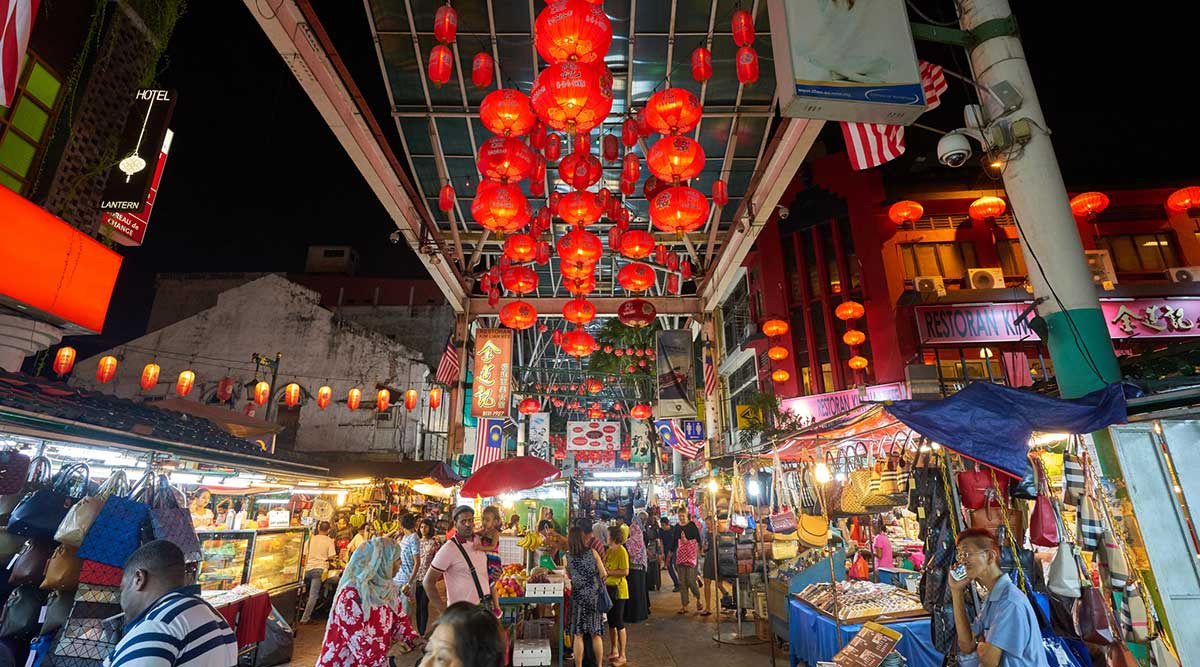
Chinatown in Kuala Lumpur and the old town of George Town in Penang are decorated with bright red lanterns, while lion and dragon dances, firecracker displays, and year-end banquets take place everywhere. In year 2026, Chinese New Year falls on 17 – 18 month 2. This is a wonderful occasion to experience Chinese culture in Malaysia and enjoy the traditional yee sang dish available only during this period.
Thaipusam (late month 1 to early month 2)
The 15km kavadi procession from Sri Mahamariamman Temple in downtown Kuala Lumpur to Batu Caves is one of the most unique religious rituals you can witness in your lifetime. Hundreds of thousands of Hindu devotees in orange and yellow clothing climb 272 steps up to the sacred cave to offer prayers to Lord Murugan.
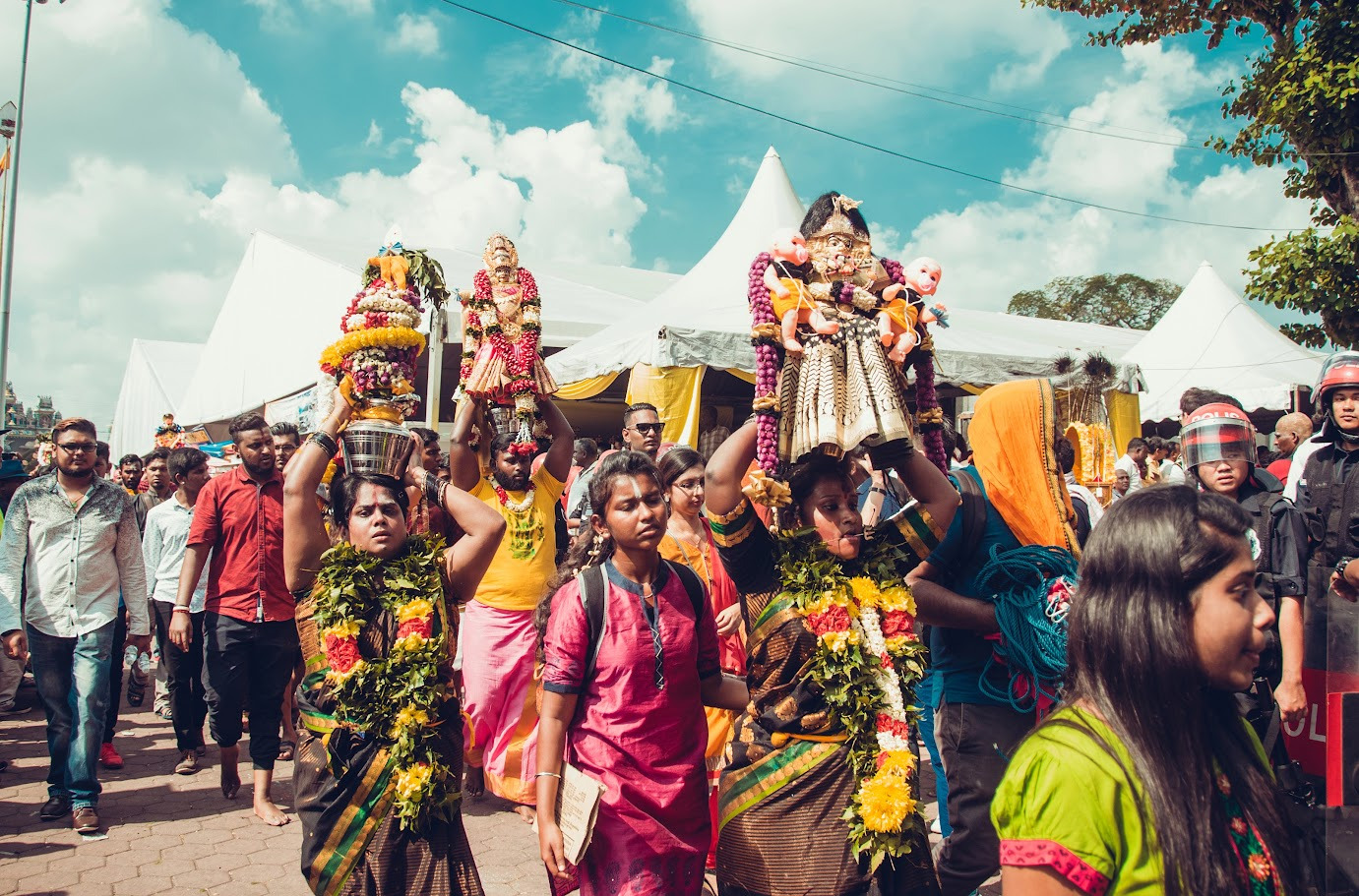
I was there in month 2 of year 2024 and was truly overwhelmed by the sea of devotees in orange and yellow, along with the sound of traditional drums and horns echoing across the area. This is a cultural experience not to be missed if you travel at this time, although you should be prepared for crowds and some acts of self-mortification that may be shocking for those with weak hearts.
Hari Raya Aidilfitri (changes according to the Islamic calendar)
In year 2026, Hari Raya Aidilfitri is expected to fall on 19 – 20 month 3, marking the end of the Muslim fasting month of Ramadan. You will experience a warm, festive atmosphere of togetherness and enjoy traditional dishes such as rendang (dry curry), ketupat (compressed rice cake), and dodol (glutinous rice candy) at the “open house” gatherings that many Malay families hold for visitors.
Note that the Islamic calendar shifts by about 11 days each Gregorian year, so you need to check the exact date before planning.
Hari Merdeka and Deepavali (month 8 to month 11)
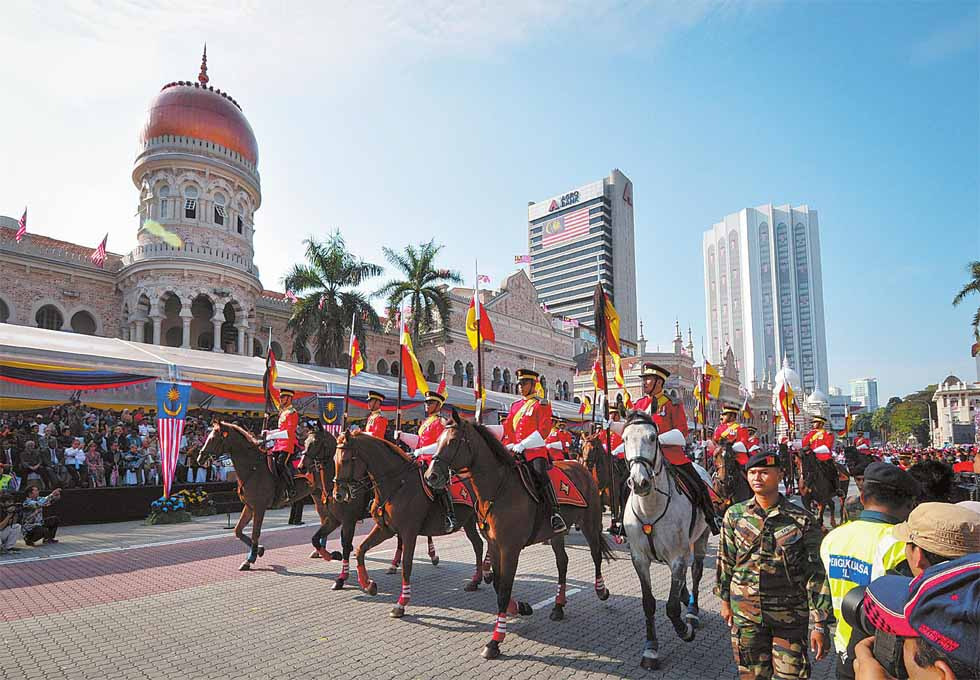
Malaysia National Day on 31/8 features grand parades at Merdeka Square, dazzling fireworks, and “Malaysia Day” on 16/9 is a major national holiday. Then comes the Indian Festival of Lights, Deepavali, in late month 10 or early month 11, when Indian neighborhoods are illuminated by thousands of kolam oil lamps.
George Town Festival and Rainforest World Music Festival
The George Town Festival in Penang runs for the whole month of 8 with hundreds of free cultural and contemporary arts events. The Rainforest World Music Festival in Kuching (Sarawak) is usually held in late 6 or early 7, bringing together artists from around the world to perform in the rainforest, a truly unique music experience.
See also: Which country is Hong Kong in? Essential information for traveling
Practical packing tips for each season
After many trips to Malaysia across different seasons, I’ve learned a few packing and preparation lessons for each period.
- During the dry season, prioritize lightweight, breathable cotton clothing, waterproof SPF 50+ sunscreen, a wide-brim hat, and UV-protection sunglasses. Don’t forget to bring a light jacket because shopping malls, taxis, the metro, and restaurants in Kuala Lumpur are heavily air-conditioned, and the temperature difference from outside can reach 10 – 12°C.
- During the rainy season, you should have a compact travel raincoat ready (an umbrella is not recommended because the wind is often strong), waterproof bags for your phone and camera, and non-slip rubber-soled shoes. Your itinerary should include indoor backup options such as the National Museum, Aquaria KLCC, Suria KLCC, Pavilion KL, and Berjaya Times Square.
One very important tip that many people overlook is to always check the MetMalaysia forecast (Malaysia’s Department of Meteorology) before departing, especially for inter-island flights from month 11 to month 2 or Kinabalu trekking tours.
For health, you should bring allergy medicine, digestive medicine, DEET mosquito repellent cream 30 – 50% (especially for the Borneo region, where there is a dengue fever risk), and drink at least 2 – 3 liters of water per day to prevent dehydration in the hot, humid climate. In addition, you should prepare Malaysia travel eSIM so your trip won’t be interrupted.
A few frequently asked questions about traveling to Malaysia
During consultations, I’ve received many questions about the best time to visit this country. Below are some common ones.
Is traveling to Malaysia in month 12 nice?

The answer is yes, especially for Kuala Lumpur, Penang, and Langkawi with their festive Christmas atmosphere, although there may be sudden showers toward the end of the month. Avoid Tioman, Redang, and Perhentian entirely, as most resorts are closed.
Which month is the cheapest to visit Malaysia?
Month 4 – month 5 and month 10 – month 11 are the cheapest, and you can save up to 30 – 40% compared with peak season. Avoid major holidays that overlap with Vietnam, such as 30/4, 2/9, because flight prices increase sharply.
What is the best season to visit Langkawi?
Month 1 to month 3 is the best time for Langkawi, with calm seas, good sunshine, far-reaching visibility, and little rain. Avoid month 7 – month 9 because the Southwest Monsoon causes rough seas and prolonged rain.
Should you visit Malaysia during the rainy season?
Absolutely yes, if you focus on the west coast and indoor activities. The rainy season also significantly lowers tour prices, brings fewer tourists, and keeps attractions from becoming too crowded.
Is Malaysia hot in month 7, month 8?
The average temperature is 27 – 33°C, no hotter than summer in northern Vietnam. However, the high humidity of 80 – 90% can feel muggy, so wear breathable clothing and drink plenty of water.
Which month is best for diving in Malaysia?
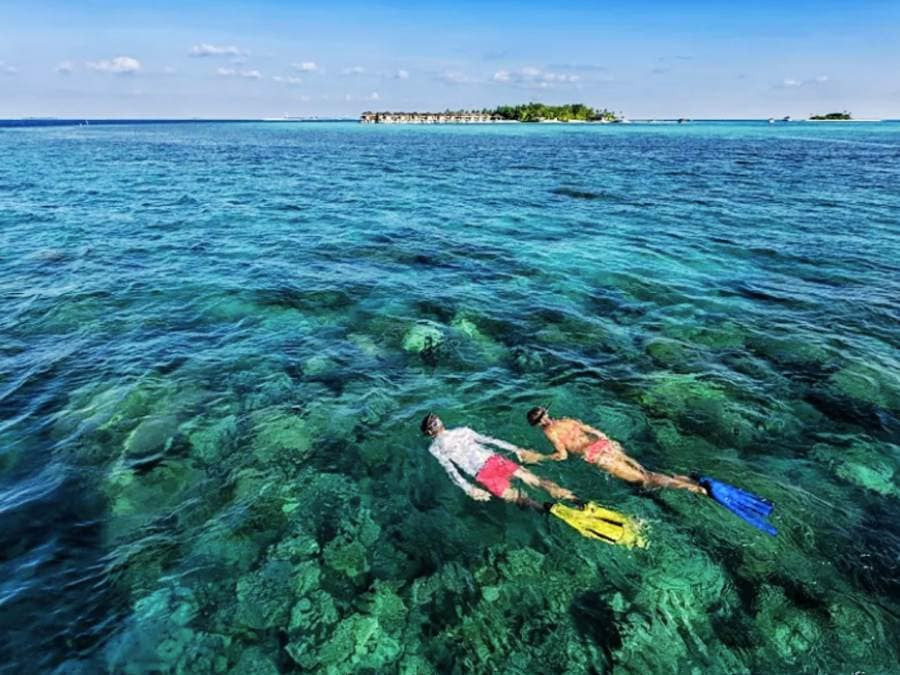
Month 5 to month 8 is best for the East Coast (Redang, Perhentian, Tioman), and month 4 to month 12 is best for Sipadan in Borneo. This is the period with the best underwater visibility, calm seas, and high biodiversity.
In short, there is no single answer to the question of which season is best for traveling to Malaysia, because it depends greatly on the region you want to explore, the purpose of your trip, and your personal budget. Remember the golden rule proven through many real trips: the west coast and major cities such as Kuala Lumpur, Penang, and Langkawi are best from month 12 to month 4, while the east coast and Borneo are ideal from month 3 to month 9.
No matter which season you choose for your Malaysia trip based on your personal needs, don’t forget one extremely important factor that helps make the journey smooth and complete: stable internet connection for checking Google Maps, booking Grab rides, and translating Malay – English. SimPM currently offers Malaysia travel eSIM with stable access speed across all of Malaysia, activated quickly in just a few minutes by scanning a QR code. Visit SimPM now to buy eSIM choose the right plan for your itinerary and get ready for a complete Malaysia adventure. Wishing you a truly memorable journey in this beautiful multicultural country!