What Is the Best Month to Visit South Korea? Month-by-Month Guide

“What month is best to visit South Korea?” is a question many people ask when planning a trip. With 4 distinct seasons, each month of the year has its own beauty, but not every time is ideal for travel. If you choose the wrong time, you may face rainy weather, harsh conditions, or sightseeing that does not meet expectations. LetSimPM us help you identify the best month to visit South Korea.
South Korea’s 4 Seasons
South Korea has a temperate climate with 4 distinct seasons throughout the year. Each season differs not only in temperature but also brings its own scenery and travel experiences.
Spring (Month 3 – Month 5)
Spring is the transition from cold to warm weather, with temperatures gradually rising from around 5°C to around 20°C. The air is relatively dry and rainfall is low, so it is quite favorable for outdoor sightseeing, although the temperature difference between day and night is still quite noticeable.
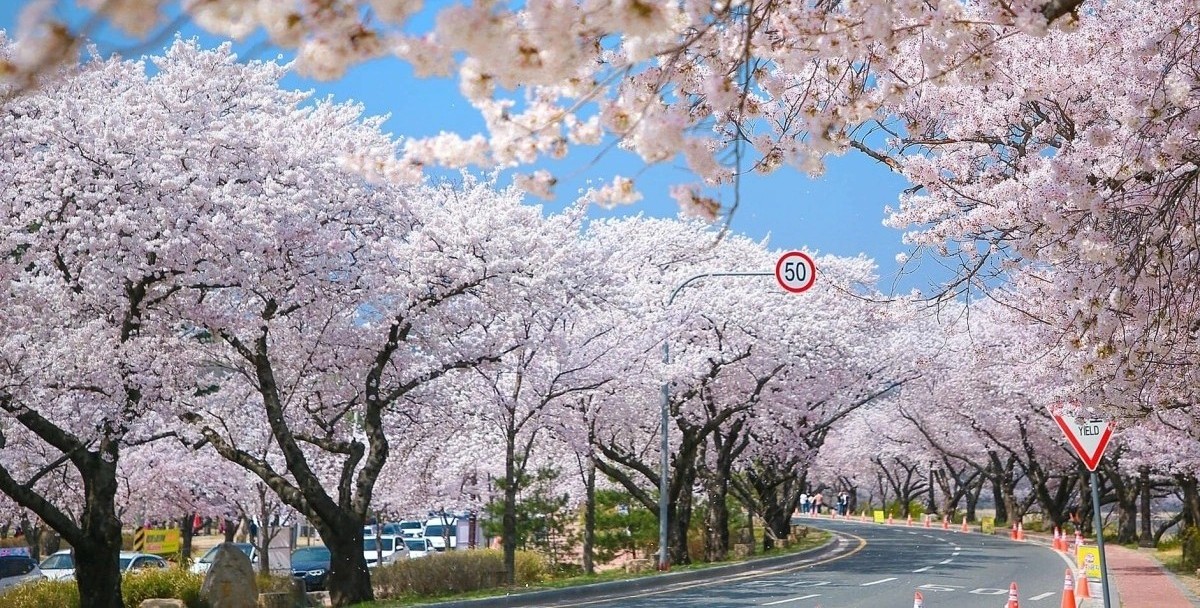
This is also the time when nature changes dramatically, with trees budding and flowers blooming across cities. In particular, from late month 3 to early month 4, many flowers bloom at once, creating the signature scenery of spring in South Korea.
Summer (Month 6 – Month 8)
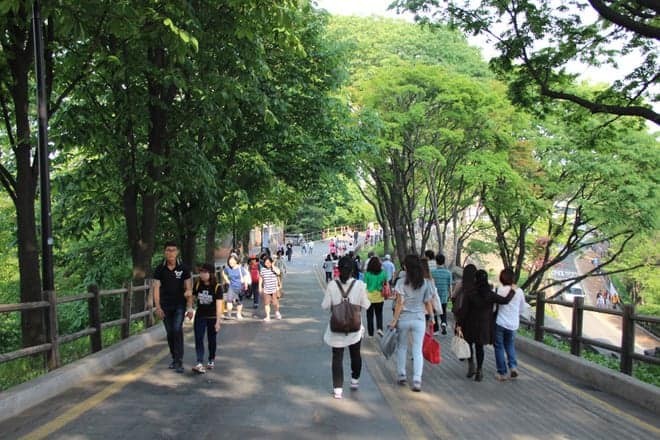
Summer in South Korea is hot and humid, with temperatures usually ranging from 25°C to 35°C, along with humidity above 80%, making the heat feel even more intense. This is also the time when the weather is most changeable throughout the year.
From late month 6 through the end of month 7, the long rainy season (Jangma) usually appears, bringing heavy and continuous rainfall. In month 8, although the rain eases, temperatures remain high and typhoons may occur, affecting travel and sightseeing.
Autumn (Month 9 – Month 11)
Autumn is considered the most pleasant time of year in South Korea. Temperatures gradually drop from around 25°C to 10-15°C, the air is dry, the skies are clear, and rainfall is low.
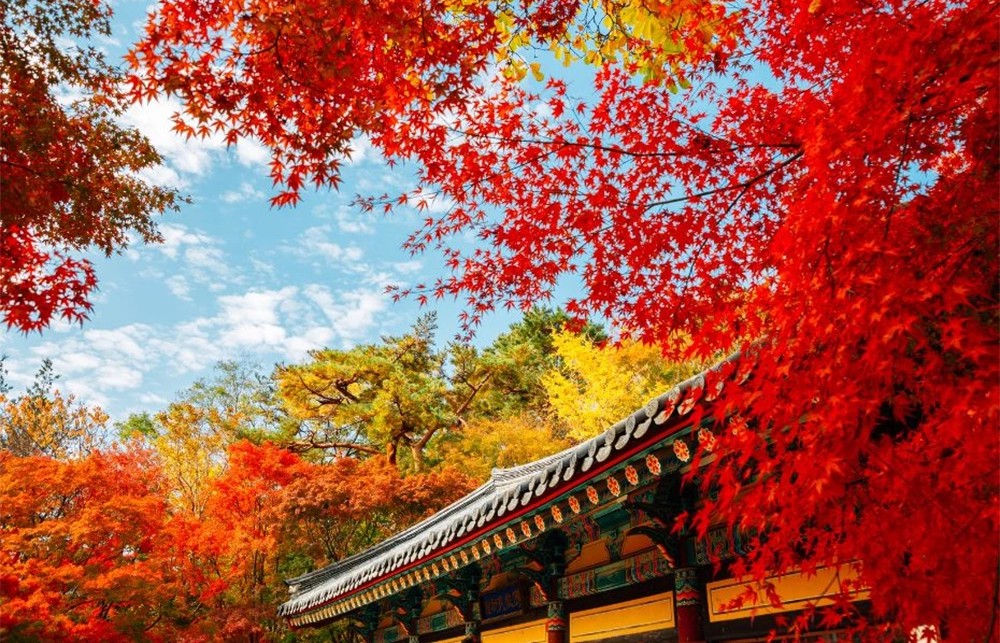
The standout feature of this season is the changing color of the leaves, from green to yellow and red, creating signature scenery that is easy to find in parks, mountains, and tourist areas. Stable weather also makes autumn a popular choice for outdoor sightseeing and travel.
Winter (Month 12 – Month 2)
Winter in South Korea is quite cold, with average temperatures ranging from -5°C to 0°C, and in some areas, especially inland and the northeast, it can even drop below -10°C. The dry air combined with cold winds makes the chill feel especially intense.
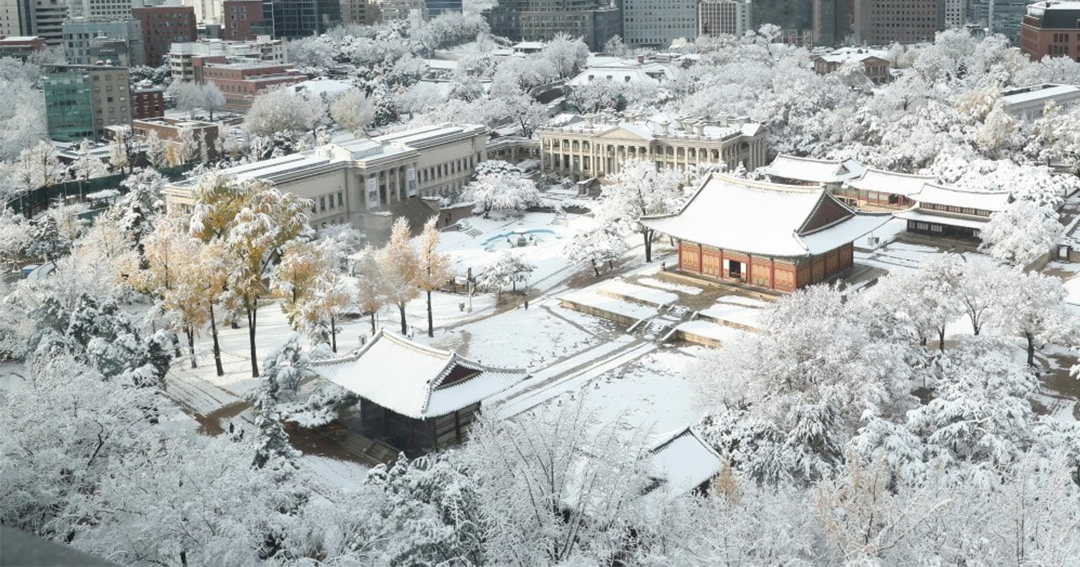
During this season, snowfall appears in many places, especially mountainous regions and the east, creating conditions for signature winter activities such as skiing and winter tourism. However, the cold and slippery weather can also make travel difficult if you are not well prepared.
What Is the Best Month to Visit South Korea?
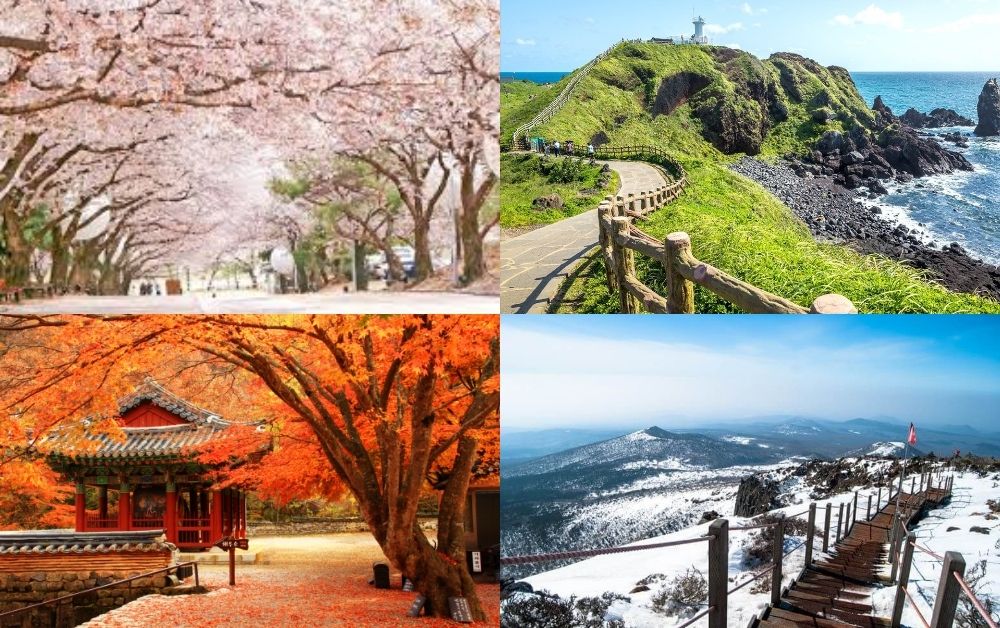
In fact, every time of year in South Korea has its own charm, so the “best month” depends on what you want to experience. Some people love flower season, while others prefer the golden autumn leaves or want to experience snowfall. Still, if you look at the most pleasant weather and the best scenery, months 3, 4, 9 and 10 are still the ones many travelers choose first:
Month 1 – 2
- Temperature: around -5°C – 0°C, at night it can drop to -10°C or lower
- Suggested places: Gangwon (skiing), Seoul, ice and snow festivals
This is the time when winter is at its most pronounced in South Korea. The air is dry, the cold is deep, and it snows, especially in the north and mountainous areas. If you want to experience snow for the first time, go skiing, or join ice festivals, this is a very worthwhile time to visit.
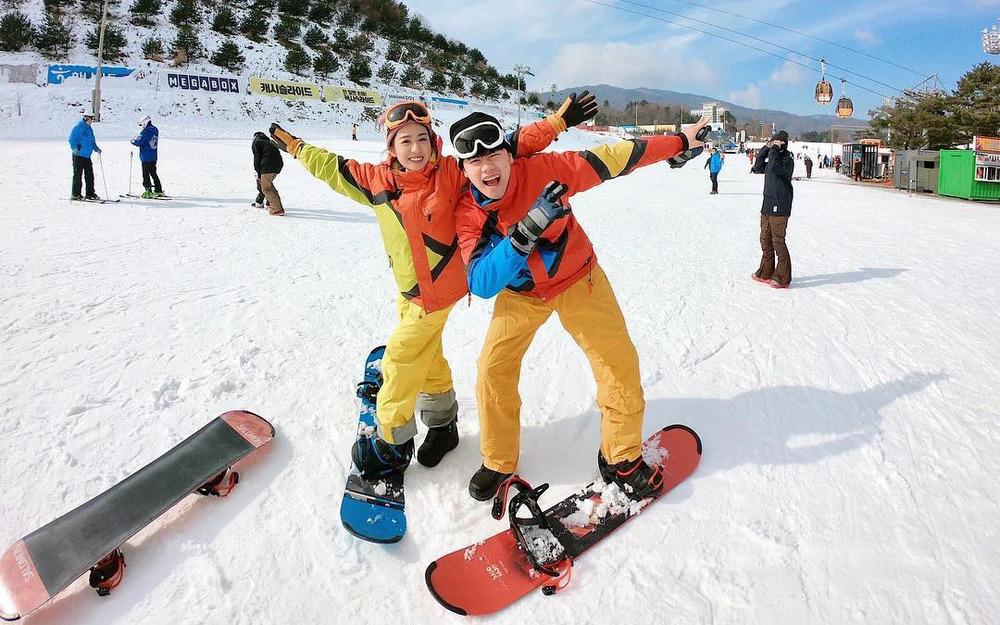
However, the cold in South Korea is not only about the temperature but also the wind, so the real feel can be even more “biting” than the number suggests. Getting around outdoors also takes more energy if you are not properly prepared.
Month 3
- Temperature: around 5 – 15°C, with a clear day-night difference
- Suggested places: Jeju, Busan (early-blooming flowers), parks and palaces in Seoul
Month 3 is a transitional time, when the cold gradually eases but it is not fully warm yet. Early mornings and evenings are still cold, but daytime weather is already more pleasant for travel.
Toward the end of the month, some southern areas such as Busan and Jeju begin to see early blossoms, signaling the arrival of spring. However, this is also a time when fine dust levels can be quite high, so if you are sensitive to the air, you should prepare a mask when going outside.
Month 4
- Temperature: around 10 – 20°C, warm and with little rain
- Suggested places: Seoul, Jinhae, Gyeongju
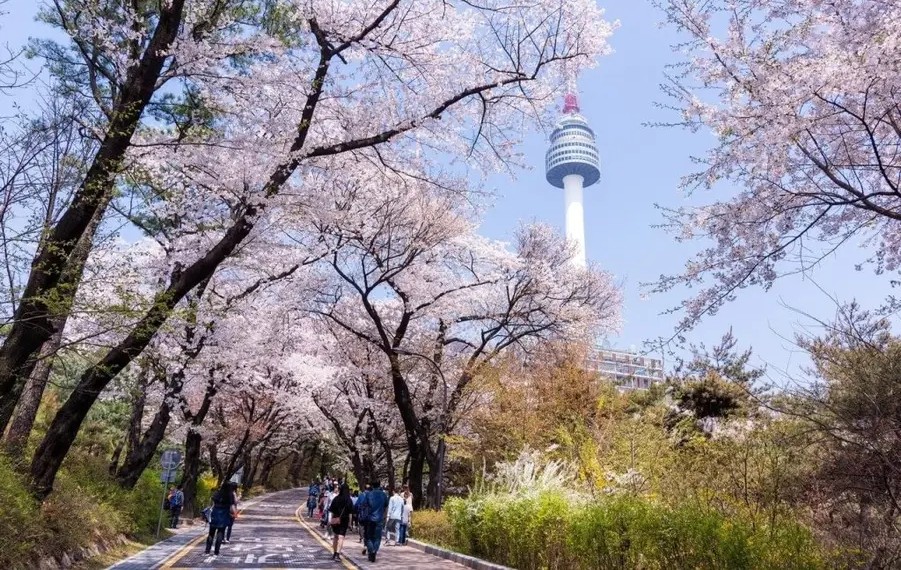
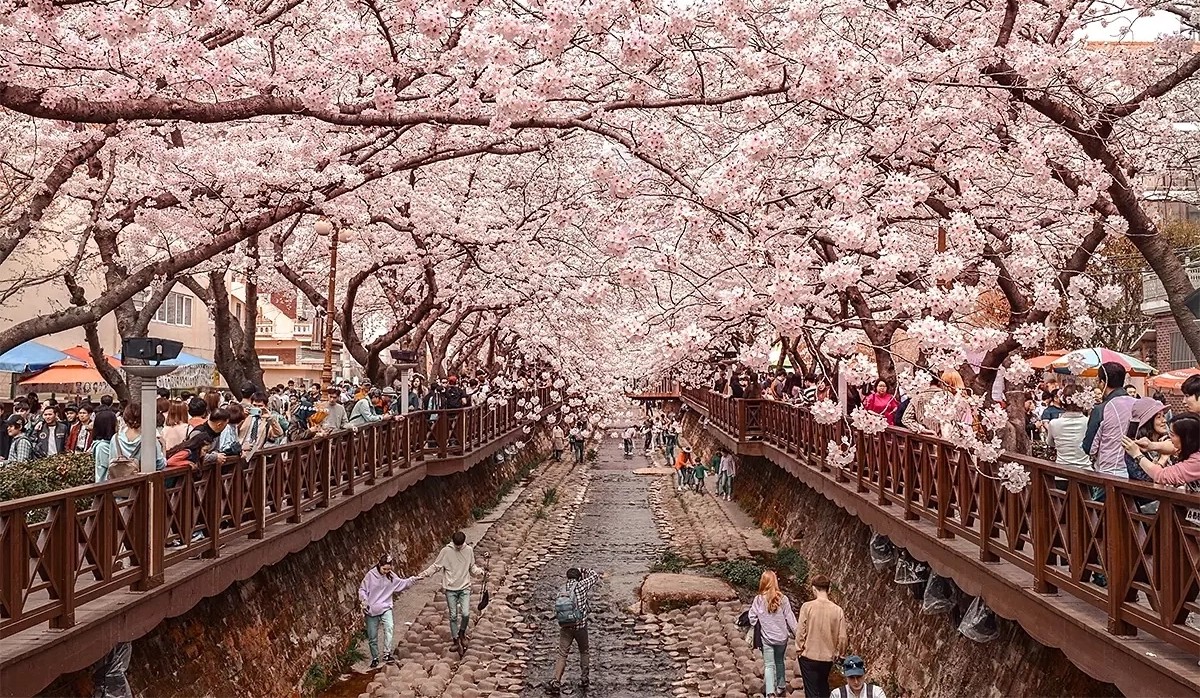
Month 4 g is considered by many to be one of the easiest times to travel in the year. The weather is fairly stable, the skies are clear, there is little rain, and it is no longer cold like early spring nor yet as hot and humid as summer. You can walk around and sightsee all day without feeling too tired.
The biggest highlight is the cherry blossom season, which usually lasts about 1-2 weeks and gradually moves from South to North. This is also when South Korea is the busiest with tourists all year, so if you travel in this month, you need to book flights and hotels early to avoid sold-out availability or high prices.
Month 5
- Temperature: around 15 – 25°C, warm with midday sunshine
- Suggested places: Seoul, Jeonju, Gyeongju, Everland
Month 5 is considered by many to be one of the easiest months of the year to travel. The weather at this time is fairly stable, the skies are clear, there is little rain, and it is no longer cold like early spring or already oppressively hot like summer. You can comfortably walk and sightsee all day without getting too tired.
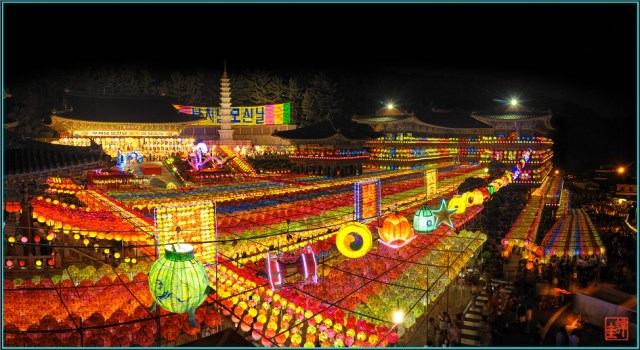
Compared with month 4, the number of tourists also decreases, so the experience is more pleasant and not too crowded. In addition, this is also the time for many cultural activities such as the Buddha’s Birthday lantern festival, which brings a very special feeling if you visit Seoul.
Month 6
- Temperature: around 20 – 28°C, beginning to get hot, humidity gradually increases
- Suggested places: Jeju, parks, outdoor attractions (early month)
Month 6 is the transition into summer, so the weather changes quite noticeably. Early in the month, the weather is still fairly pleasant, with gentle sunshine, making it suitable for strolling, outdoor sightseeing, or exploring parks and heritage sites.
From mid to late month, the rainy season (Jangma) begins, humidity rises, and rain becomes more frequent. At this point, itineraries usually need to be more flexible, with indoor stops such as museums and shopping centers included. If you want to go to the beach or Jeju Island, it is best to prioritize early in the month to avoid rain.
Month 7
- Temperature: around 22 – 30°C, hot and humid, high humidity
- Suggested places: museums, shopping centers, indoor entertainment venues
Month 7 is the peak of the rainy season, so the weather can be inconvenient for travel. Long spells of rain, many heavy-rain days, and high humidity make tourists feel very muggy.
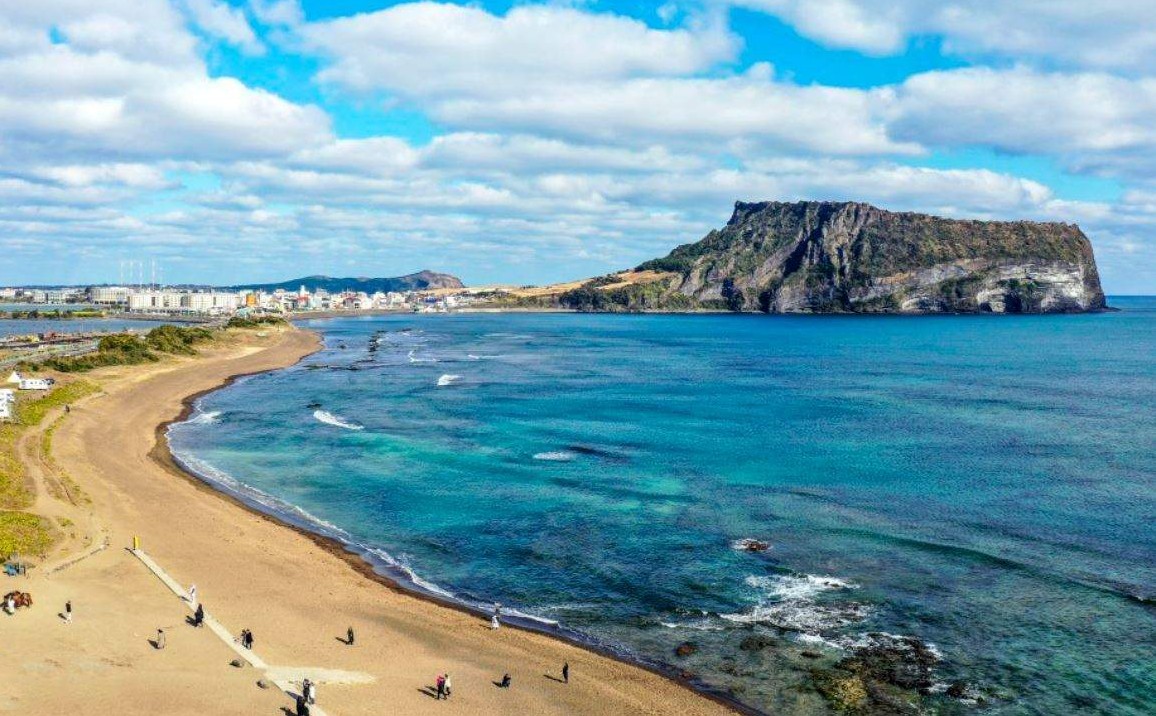
Still, this is also the time when summer activities begin. Many people choose water parks, spas (jjimjilbang), or indoor entertainment venues to avoid the rain. If you are heading to Busan or coastal areas, you can still combine a beach trip on sunny days, but you need to keep a close eye on the weather.

Month 8
- Temperature: around 25 – 35°C, intense heat, some days above 35°C
- Suggested places: Busan, Jeju, Sokcho, Yeosu
Month 8 is the peak of summer, with clearly hot and muggy weather. Rain decreases compared with month 7, but sunshine is stronger, especially around midday. Typhoons may appear toward the end of the month, so you need to check forecasts regularly.
This is also the ideal time to go to the beach. Beaches such as Busan (Haeundae, Gwangalli), Jeju, and Sokcho are very busy, with a lively atmosphere. There are also summer festivals such as the Boryeong Mud Festival, the Jeongnamjin Jangheung Water Festival, and music and fireworks events. If you like a lively, bustling atmosphere, then month 8 is the time to travel to South Korea.

Month 9
- Temperature: around 20 – 28°C, cooling down toward the end of the month
- Suggested places: Seoul, traditional villages, parks, suburbs
Month 9 is a seasonal transition period, so the beginning of the month is still somewhat hot and may have rain due to the influence of typhoons. However, from mid-month onward, the weather starts to become more pleasant, drier, and cooler.
This is a good time to return to outdoor activities such as walking, visiting traditional villages, and light mountain hiking. If you travel during Chuseok, you will also have the chance to experience traditional culture, although you should note that some places will be closed.
Month 10
- Temperature: around 10 – 20°C, cool and dry
- Suggested places: Seoul, Nami Island, Seoraksan, Naejangsan
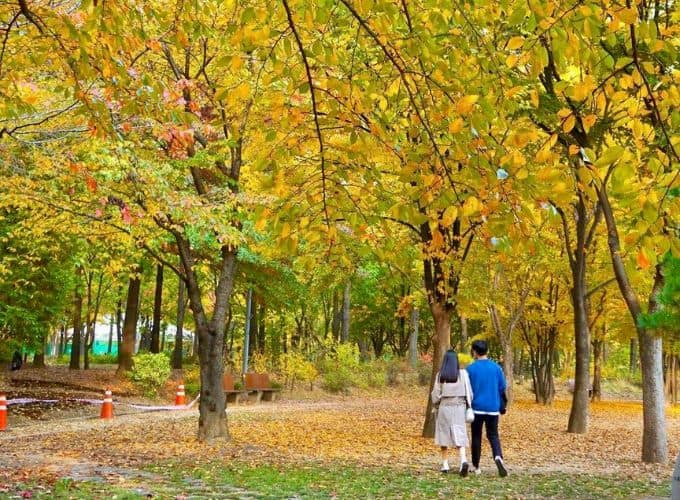
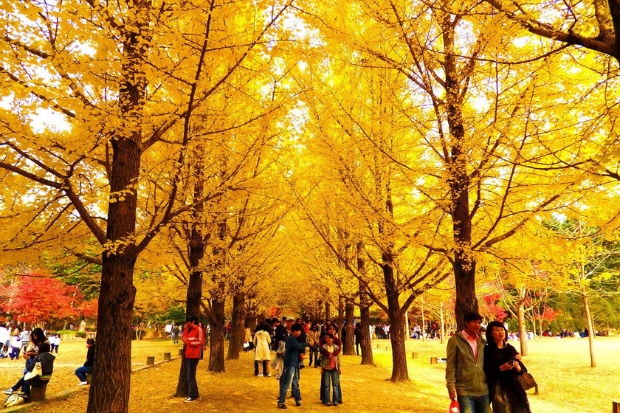
Month 10 can be considered the most beautiful time of year. The weather is stable, the skies are blue, the sunshine is gentle, and there is almost no rain, making travel very convenient.
This is also the season when the maple leaves begin to change color, making it ideal for walking, hiking, or taking photos. Many areas such as Nami, Seoraksan, and city parks are very crowded, so it is a good idea to book services in advance if you are traveling at this time.
Month 11
- Temperature: around 5 – 15°C, getting colder toward the end of the month
- Suggested places: Busan, Jeju, Gyeongju, Seoul
Month 11 is late autumn, with mild weather at the start of the month and noticeably colder conditions by the end. The air is dry, and mornings and evenings feel chilly.
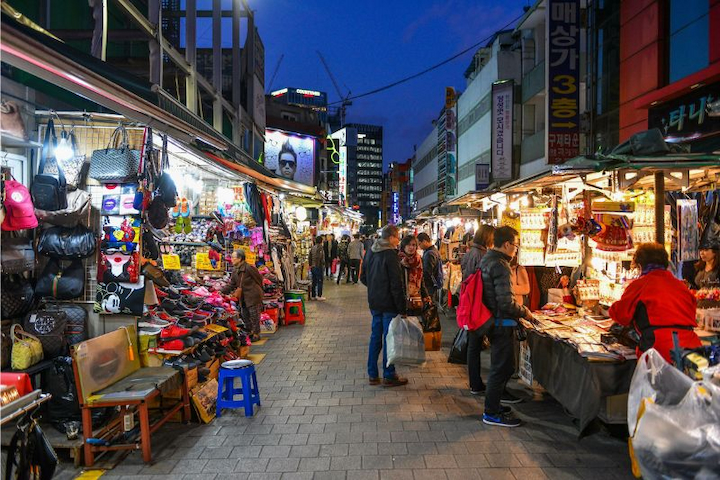
At the beginning of the month, you can still see maple leaves in southern areas such as Busan and Jeju. This is also a good time to visit heritage sites, old neighborhoods, or enjoy food experiences, since the weather is not too harsh and the number of visitors has decreased compared with month 10.
Month 12
- Temperature: around -5°C – 5°C, dry cold, snow possible
- Suggested places: Seoul, Gangwon, ski resorts
Month 12 marks the beginning of winter. Temperatures drop, the air is dry, and snow may appear from mid to late month, especially in the north and mountainous areas.
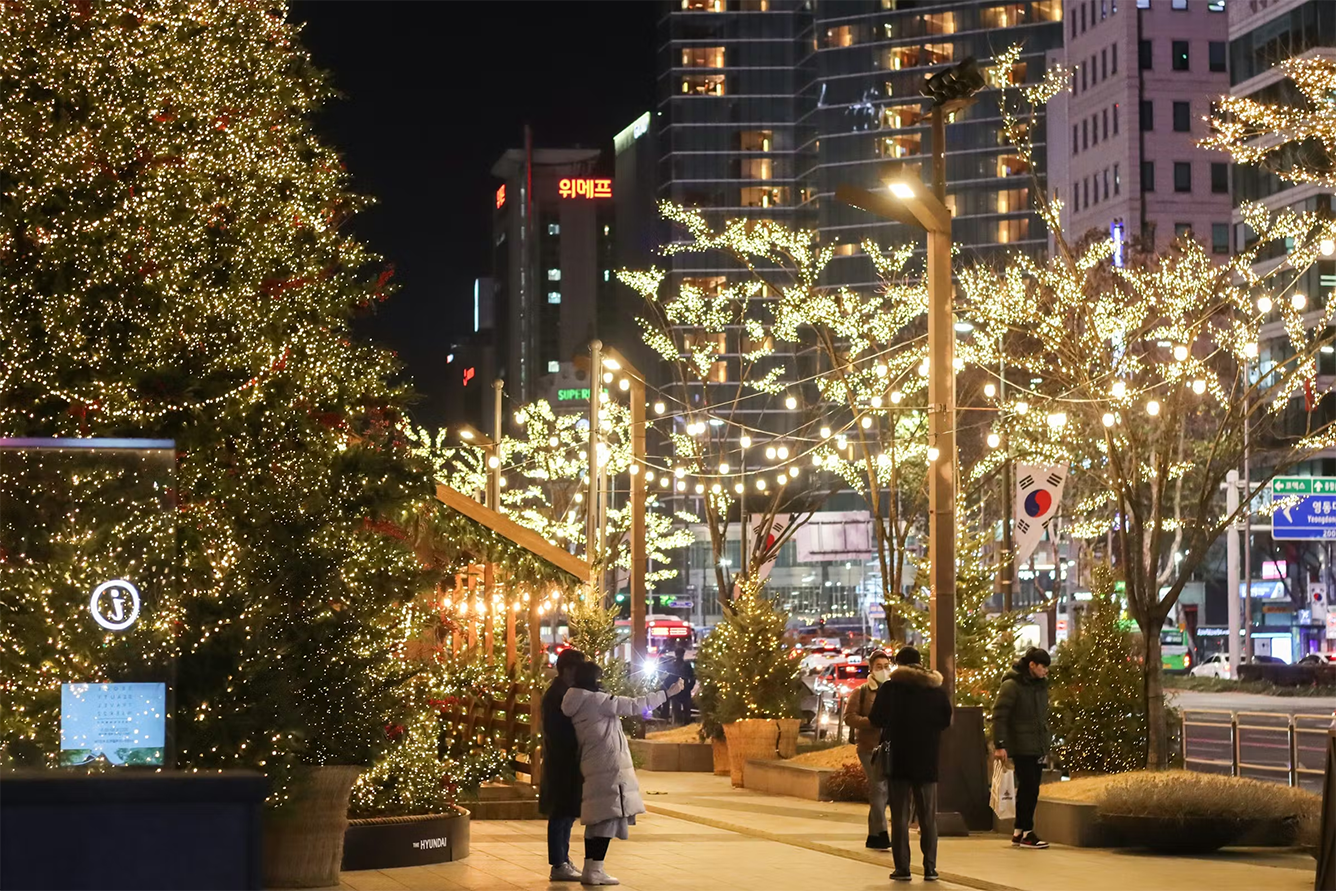
This is a good time to enjoy winter activities such as skiing, ice skating, or joining light festivals and Christmas light events. Central areas like Seoul and Busan are decorated very brightly, creating an atmosphere completely different from the rest of the year.
Read more: WiFi in South Korea: From free WiFi to high-speed 5G eSIM
Things to keep in mind when traveling to South Korea
To make your trip to South Korea smoother and more complete, in addition to choosing the right time, you should also pay attention to some important factors below:
- Prepare season-appropriate clothing: South Korea’s weather changes clearly from season to season, and the temperature difference during the day can be quite large. You should prioritize layered clothing in spring and autumn, breathable clothes in summer, and thermal wear and thick coats in winter.
- Check the weather before and during your trip: Some periods such as the rainy season (late month 6 – month 7) or typhoon season (month 8 – early month 9) can directly affect your itinerary. Regularly updating the weather forecast will help you adjust your sightseeing plans more easily.
- Prepare travel eSIM so you have internet as soon as you arrive: Internet is almost indispensable when getting around South Korea, from checking maps and finding directions to translation and booking services. Instead of relying on public WiFi, you should prepare a travel eSIM before your trip so you can use it as soon as you land. It is also a convenient solution chosen by many travelers today.
- Keep your itinerary flexible according to the weather: It is best to balance outdoor and indoor attractions so you are not caught off guard when the weather changes, especially in summer or during rainy months.
- Book flights and hotels early during peak season: Periods such as cherry blossom season (month 4) or maple leaf season (month 10) are usually very crowded. Booking flights and hotels early will give you more options and help you avoid paying higher prices.
- Prepare cash and payment cards: Although South Korea accepts card payments, some small shops or traditional markets still prefer cash. You should prepare both for greater convenience when spending.
- Get familiar with public transportation: South Korea’s subway and bus systems are very developed, but they can be a little difficult for first-time users. You should download a map app in advance and learn how to get around to save time.
Hopefully, after reading this article, you now have a clear answer to the question of what month is best to visit South Korea and can easily choose the right time for your itinerary. No matter when you travel, preparing well in advance, especially your internet connection, will help make your experience more complete. Don’t forget to get a South Korea travel eSIM from SimPM so you always have a stable connection, making it easy to look things up, get around, and stay in touch from the moment you land.