Is It Safe to Travel to the Philippines? A Practical Perspective

With blue seas, beautiful islands, reasonable costs, and thousands of exciting experiences, the Philippines is becoming a destination of growing interest for many Vietnamese travelers. However, alongside the excitement, many people still wonder whether it is safe to travel to the Philippines, which areas to stay in, and what to prepare to make independent travel more convenient. If you are also planning to explore this archipelago, we will help you get a more practical and easy-to-picture view before your trip.
An overview of travel in the Philippines
The Philippines is an archipelago in Southeast Asia made up of more than 7.000 islands large and small. Thanks to its island scenery, tropical climate, and distinctive local culture, the Philippines has long been one of the region’s standout destinations, especially for travelers who love blue seas, untouched islands, diving, resort stays, and outdoor activities.
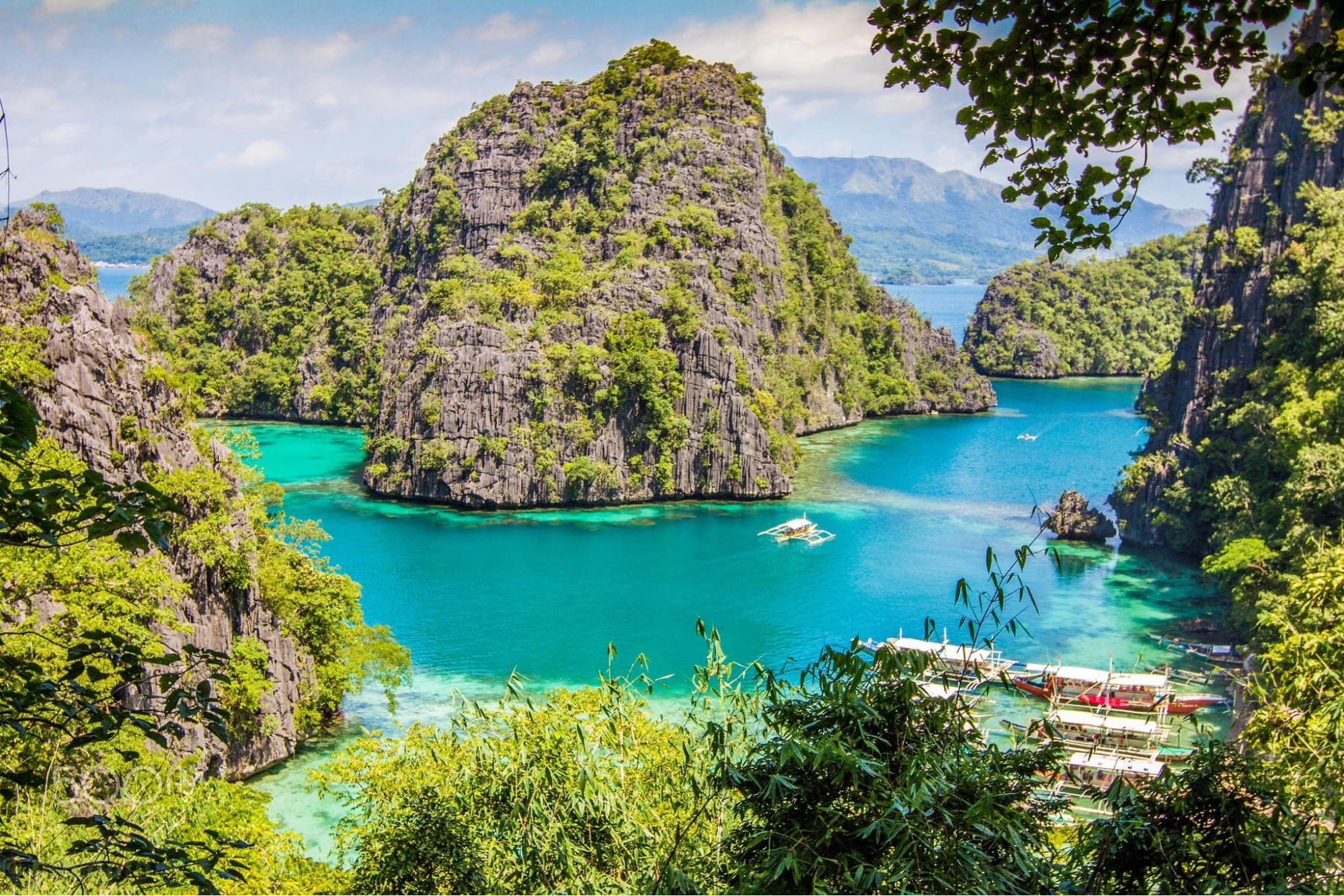
The biggest appeal of travel in the Philippines lies in its diverse experiences. Boracay is famous for its white-sand beach and lively resort atmosphere, while Cebu is ideal for travelers who enjoy island exploration, coral diving, and local cultural experiences. Meanwhile, Palawan is impressive for the untouched beauty of El Nido, Coron, and its clear blue bays. Bohol offers a calmer feeling with Chocolate Hills, peaceful beaches, and a slower pace of life.
Beyond the natural scenery, the Philippines is also fairly easy for international visitors to access. English is widely used, tourism services at famous destinations are relatively developed, travel costs are flexible, and there are many options ranging from budget to luxury. This is why the Philippines suits many different types of travelers, from independent travelers and couples to groups of friends and families looking for island resort getaways.
In recent years, tourism in the Philippines has recovered and grown strongly after the disruption caused by the pandemic. According to the Philippines Department of Tourism, the country welcomed a total of 6.484.060 tourists in 2025. This figure shows the Philippines’ appeal on the international tourism map and also reflects the growing demand from travelers for nature destinations, islands, and local experiences.
For Vietnamese travelers, the Philippines is worth considering thanks to its not-too-far distance, relatively convenient flight time, and experiences that are different from familiar destinations in the region. However, because the Philippines is an archipelago with scattered geography, moving between islands, choosing accommodation areas, preparing internet access, and researching safety information in advance are all very important for a smooth trip.
Overall, the Philippines is a highly promising destination for those who want to combine resort stays, nature exploration, and Southeast Asian cultural experiences in a fresher way. Still, to enjoy a complete trip, travelers should carefully research each area, choose destinations that fit their itinerary, and prepare transportation, communication, and payment options before departure.
Is it safe to travel to the Philippines?
“Is it safe to travel to the Philippines?” is one of the most frequently searched questions by travelers preparing to visit the Philippines for the first time. In reality, the Philippines remains a destination that attracts millions of international visitors every year, and trips go smoothly if travelers prepare appropriately.
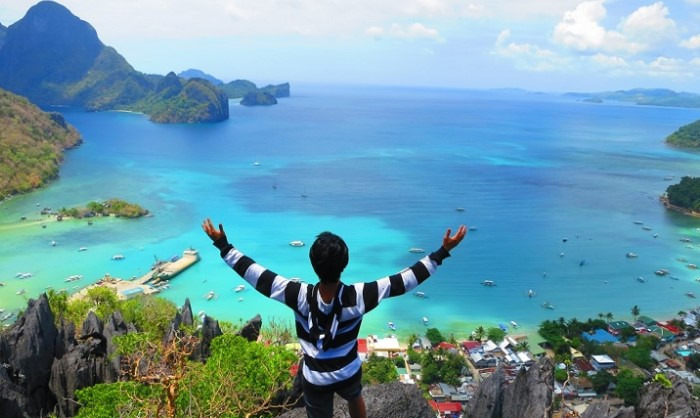
Safety in the Philippines depends quite a lot on the area you choose, how you move around, the time of day you are active, and how proactive you are when traveling independently. Popular destinations such as Boracay, Cebu, Palawan, Bohol, and modern central districts in Manila generally have large numbers of international visitors, more developed services, and more stable security than many other areas.
However, the Philippines has a fairly clear contrast between developed tourist areas and more complex residential neighborhoods. This often makes first-time visitors feel worried when reading about pickpocketing, snatch theft, or travel scams. That said, most of these situations usually happen in crowded areas, places with few tourists, or local areas that are not on popular sightseeing routes.
Compared with many other tourist countries in Southeast Asia, the level of safety in the Philippines is not too different. The common risks travelers often face are mainly related to:
- Losing personal belongings due to carelessness.
- Being overcharged for taxis or services.
- Going into deserted areas at night.
- Lacking internet connection when moving between islands.
These are all issues that can be significantly reduced if travelers prepare well before the trip.
One factor that gives the Philippines a positive reputation among many international visitors is the widespread use of English. This makes communication, asking for directions, handling situations, or seeking support easier than in many other countries in the region. People in the Philippines are generally also friendly, open, and accustomed to an international tourism environment.
In addition, famous destinations such as Boracay, Palawan, and Cebu are now strongly focused on tourism development, so accommodation services, transportation, and tourist support systems are relatively complete. In these areas, travelers can easily find reputable hotels, local tours, shuttle services, and entertainment venues open until evening.
So, is it safe to travel to the Philippines? The answer is yes, if you:
- Choose the right travel areas.
- Avoid going alone in very deserted places at night.
- Take the initiative to protect your personal belongings.
- Prepare stable internet for convenient communication and transportation.
- Research local information and your itinerary in advance.
Rather than worrying too much, what matters more is preparing carefully and maintaining the necessary caution, just as you would when traveling in any other country. With a clear plan and the right destination choices, the Philippines remains one of the most worthwhile destinations in Southeast Asia for travelers who love islands and nature exploration.
The safest areas when traveling in the Philippines
When looking into “Is it safe to travel to the Philippines?”, most travelers focus on the country’s overall security situation. However, in reality, safety in the Philippines depends greatly on the area you choose to stay in and visit. The Philippines is a vast archipelago with thousands of different islands, so each location will differ significantly in tourism infrastructure, living environment, support for international visitors, and security level. Below are the standout areas considered the safest, easiest to get around, and most suitable for international travelers in the Philippines.
Metro Manila
Manila is the capital and also the largest economic center of the Philippines. This is where Ninoy Aquino International Airport is located, so most international visitors will arrive in Manila first before continuing on to other tourist islands.
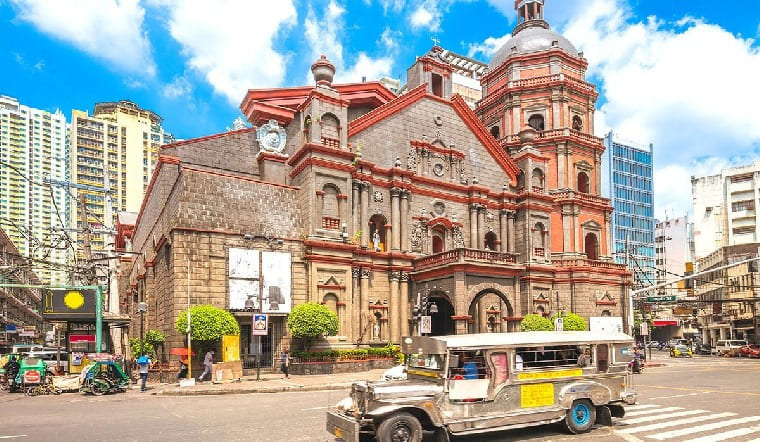
Among them, Makati is a famous financial district with many luxury hotels, large shopping malls, and a fairly large expatriate community. This area has good security, clean streets, and many restaurants open until evening, making it very suitable for independent travelers.
Besides Makati, Bonifacio Global City (BGC) is also highly regarded for its level of safety. This is a modern urban district with a well-planned layout, plenty of greenery, and a fairly civilized environment. Travelers can easily walk around, shop, or work at cafes without facing as much security concern as in some other areas of Manila.
If you want convenient access to the airport, Pasay is also a suitable choice. It has a fairly large number of hotels serving international transit guests or short stays before flying out to the islands.
Boracay – A destination suitable for first-time visitors to the Philippines
Boracay is one of the most famous islands in the Philippines and also one of the places with a relatively safe tourism environment for international visitors. The island is best known for White Beach – a long white-sand beach with clear blue water that has been highly rated by many international travel magazines.

Boracay’s biggest strength is that it has developed almost entirely as a resort destination. The beachfront area is home to many hotels, resorts, restaurants, convenience stores, and services for international visitors. As a result, Boracay always has a lively atmosphere and feels safer than areas with fewer tourists.
For those visiting the Philippines for the first time and still wondering “is it safe to travel to the Philippines?”, Boracay is often the easiest choice. The tourism system here is quite complete, and hotel staff as well as local residents are used to communicating in English, making it relatively easy to ask for directions, book tours, or handle unexpected situations.
Cebu and Mactan Island – A resort and island-exploration area
Cebu is one of the Philippines’ largest island tourism hubs. It is famous for activities such as diving, island hopping, waterfall exploration, and whale watching in Oslob. Thanks to its large number of international visitors throughout the year, Cebu has a relatively developed tourism service system that is easy for foreign visitors to access.
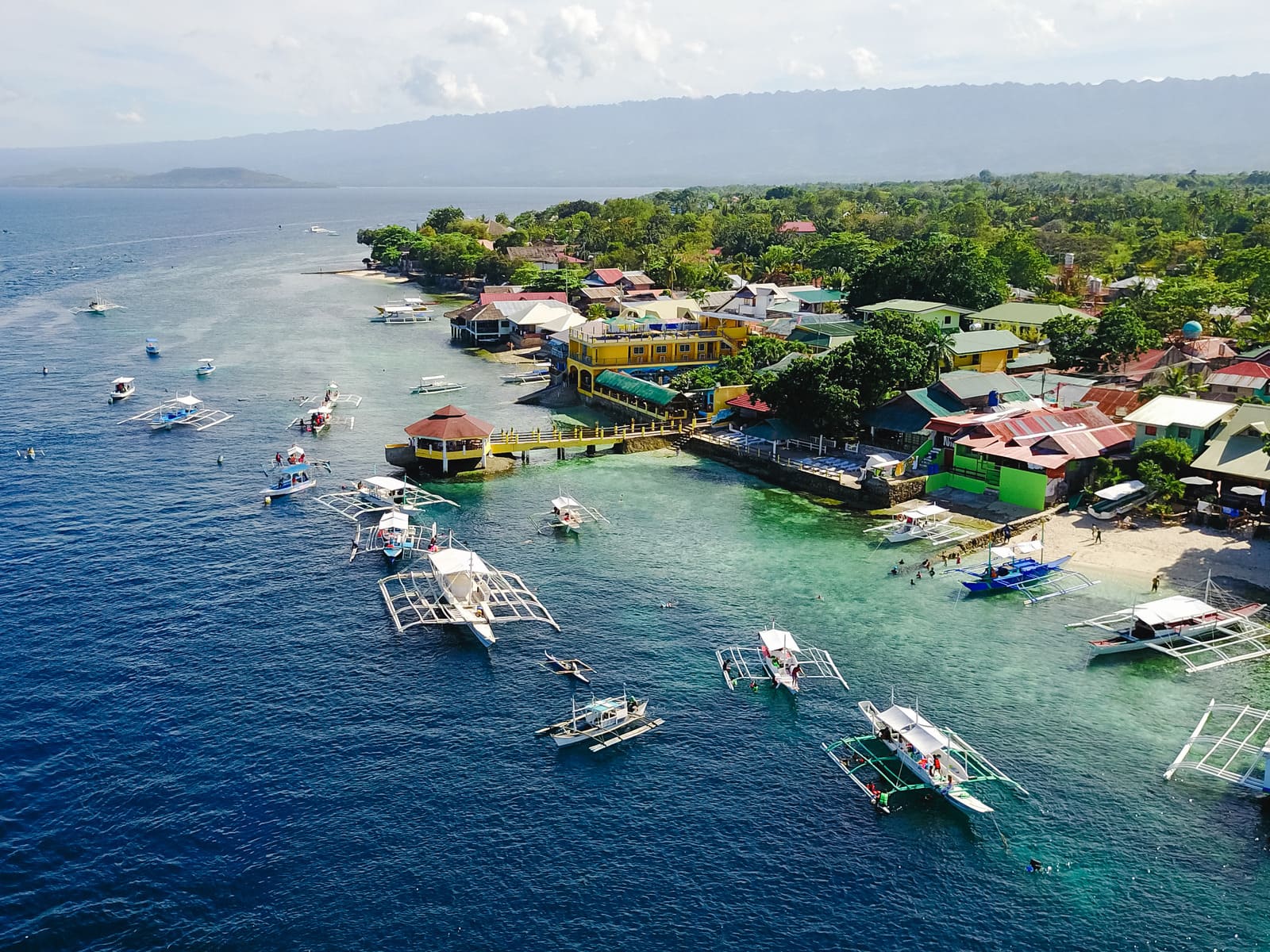
For travelers who prioritize convenience and safety, Mactan Island is the area worth considering more. It is where most high-end resorts and international hotels are concentrated, and it is also very close to Mactan-Cebu International Airport.
This area has fairly modern infrastructure, convenient roads, and is suitable for:
- Families with small children.
- Couples on a resort getaway.
- First-time independent travelers.
- Travelers who want to minimize complicated transfers.
In addition, from Mactan, travelers can also easily book tours to nearby smaller islands without having to do too much self-navigation. This significantly reduces risks related to transportation or getting lost.
Bohol – Peaceful atmosphere, ideal for relaxation
Compared with Manila or Cebu, Bohol has a much calmer and more relaxing pace of life. It is a suitable destination for travelers who want a quiet resort stay or are traveling with family.
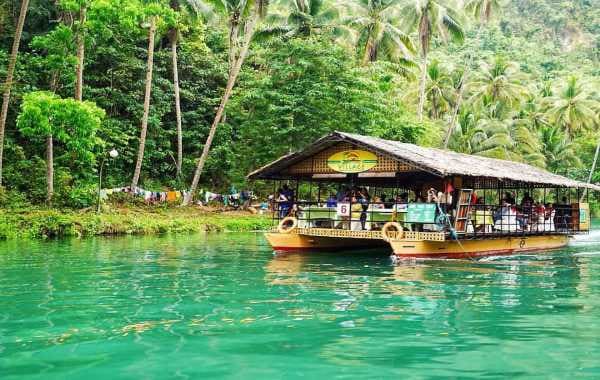
The Panglao area is where most of Bohol’s resorts, hotels, and tourism services are concentrated. The environment here is quite pleasant, with less traffic pressure and not as crowded as major cities.
Besides beautiful beaches, Bohol is also known for Chocolate Hills, Tarsier-watching tours, and ecotourism activities. Because it develops in the direction of resort stays and nature experiences, the atmosphere in Bohol is often safer and more comfortable for international visitors.
Palawan – A paradise of islands and seas
Palawan is often considered the most beautiful destination in the Philippines thanks to its untouched natural scenery and famous coastal areas such as El Nido, Coron, and Puerto Princesa. It is also a place chosen by many international travelers who want to experience islands and seas in a nature-exploration style.
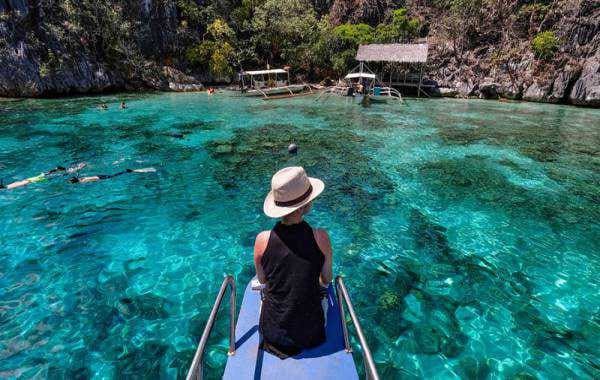
The main tourist areas in Palawan are generally quite safe because they depend heavily on international tourism. Local residents are used to serving foreign visitors, and the tour system operates relatively professionally.
However, Palawan differs from Boracay or Cebu in that many places are still fairly untouched. This means:
- Internet may be unstable.
- Transportation depends on boats.
- Some areas have fewer ATMs or convenience stores.
Therefore, before going to Palawan, travelers should prepare carefully in terms of itinerary, internet, cash, and communication options. This is also why many people choose to use a travel eSIM to stay connected throughout their island adventure.
See also: Do you need a visa to travel to the Philippines? Latest procedures
Areas to avoid or consider carefully
When looking into “Is it safe to travel to the Philippines?”, travelers should not only pay attention to famous destinations but also know which areas should be avoided. This helps you be more proactive when choosing accommodation, transportation, and sightseeing locations.
- Very deserted areas at night: Small roads, empty alleys, sparsely populated beaches, or residential areas far from the center are places you should avoid going alone at night. If you need to go out after 21h, it is better to go with a group or call a ride through an app instead of walking a long distance.
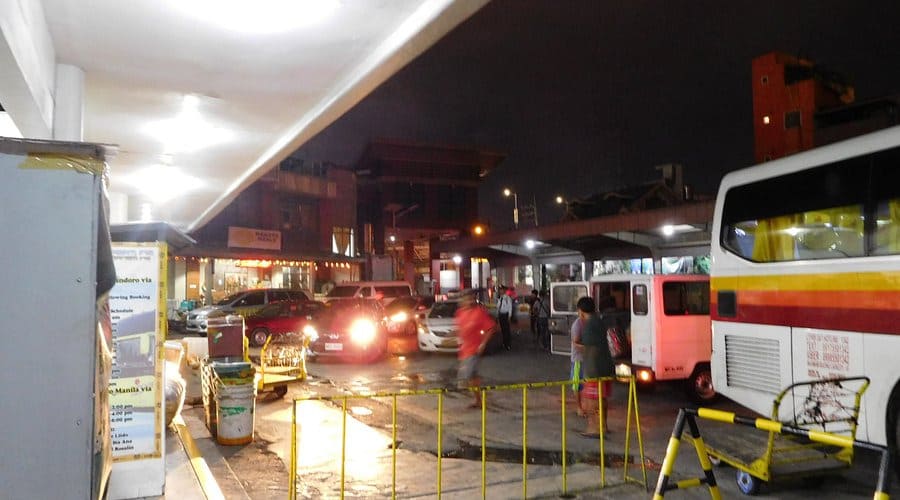
- Bus terminals, ferry ports, and crowded transit areas: These are places where pickpocketing, lost luggage, or aggressive touting for services can easily happen. Travelers should keep their backpack in front, check bus and ferry tickets carefully, and only book services through official channels.
- Slum areas or complex residential neighborhoods: Some poorer neighborhoods in Manila and other major cities are not suitable for tourists to explore on their own. If you do not have a local person with you, you should avoid going into these areas to reduce the risk of getting lost or facing awkward situations.
- Overcrowded and complicated nightlife areas: Some areas with many bars, clubs, or nighttime activities may pose risks such as losing your phone, being overcharged, or encountering strangers with unclear intentions. If you want to experience nightlife, choose places with good reviews, go with friends, and do not carry too much cash.
- Areas that are too far from the center when you do not have a clear itinerary: Some beaches, small islands, or remote attractions may be beautiful but difficult to access by ride-hailing, may have weak mobile signal, or depend heavily on boats. Before going, check ferry schedules, the weather, and your return plan for the day.
See also: What social media does the Philippines use? Tips for fast, smooth access for travelers
Tips to make travel in the Philippines safer
Below are practical tips to help your trip to the Philippines be safer, more proactive, and less risky.
- Choose reputable accommodation: It is best to prioritize hotels, homestays, or resorts with good reviews, located near tourist centers, ferry terminals, airports, or areas with many international visitors. Do not choose places that are very cheap but located deep in alleys, far from the center, or with little review information.
- Do not carry too much cash: When going out, only bring enough money for the day and spread it across different places. Your passport, backup bank cards, and large amounts of money should be kept in the hotel safe if available.
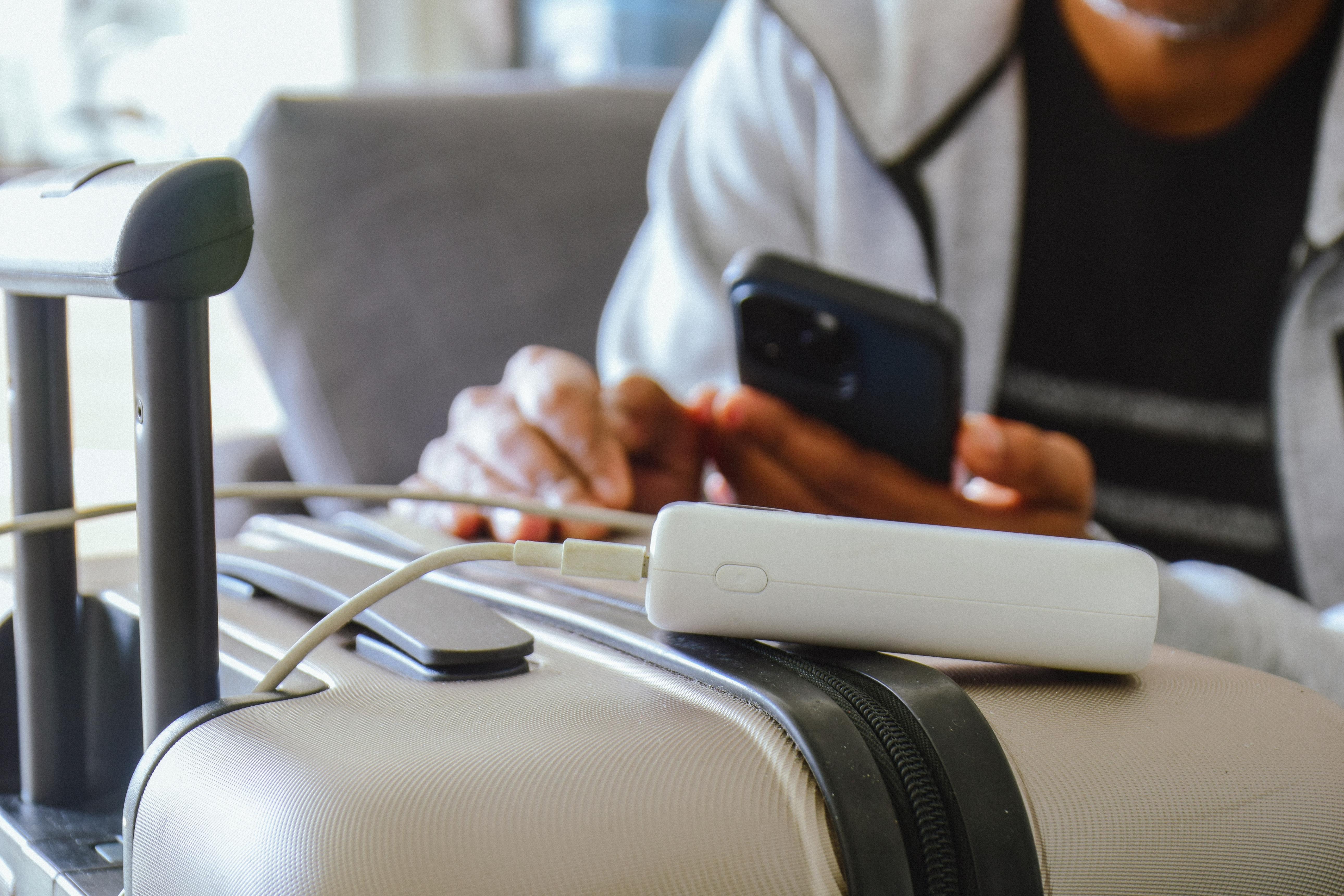
- Use stable internet when moving around: Internet is very important for checking maps, calling rides, contacting hotels, booking tours, and handling emergencies. If you are traveling independently or moving frequently between Manila, Cebu, Boracay, Bohol, and Palawan, you should prepare a travel eSIM before your trip so you have data as soon as you land; you can refer to eSIM Philippines at SIMPM to keep a stable connection and avoid having to remove your physical SIM.
- Prioritize ride-hailing apps: In major cities like Manila or Cebu, it is better to use Grab or pre-booked shuttle services instead of hailing random taxis on the street. This way, you know the fare, route, and driver information in advance, reducing the risk of being overcharged or taken on a longer route.
- Keep personal belongings secure in crowded places: At airports, bus terminals, ferry ports, night markets, or crowded streets, you should wear your backpack in front and not keep your wallet in your back pocket. Phones, passports, and cash should be kept in zippered pockets or bags to avoid losing them or being pickpocketed.
- Avoid going out alone at night: If you need to go out after 21h, choose well-lit, crowded areas with active tourism services. Avoid walking into empty alleys, sparsely populated beaches, or residential areas far from the center, especially if you are unfamiliar with the area.
- Book tours and services through reputable providers: For activities such as island hopping, diving, whale watching, boat trips, or trekking, choose companies with clear reviews and professional guides. Do not buy unofficial tours from strangers if the price is too low or the information is unclear.
- Respect local culture: Filipinos are quite friendly and open, but travelers should still remain polite, dress appropriately in religious places, and avoid being overly playful with strangers. Respecting local culture helps you receive support more easily when needed.
Overall, the Philippines is 1 a safe destination for travelers. To make your trip more convenient, you should Buy eSIM buy a Philippines eSIM from SimPM before departure so it’s easier to book rides, use maps, and stay in touch when needed. Contact 0919.999.336 us for the fastest advice!