Which Country Is Hong Kong In? Travel Essentials

When people search “Which country is Hong Kong in?”, many are surprised that the answer is not as straightforward as with many other countries. Hong Kong belongs to China, but it operates under a separate system. This article will help clarify what Hong Kong is and what important things travelers should know before coming here.
Which country does Hong Kong belong to?
When searching “Which country is Hong Kong in?”, the correct answer is: Hong Kong belongs to China, but it is not managed like ordinary provinces or cities in mainland China. Officially, Hong Kong is a special administrative region of the People’s Republic of China, officially called the Hong Kong Special Administrative Region.
This means that Hong Kong is not an independent country. However, the region has a high degree of autonomy in many areas such as the economy, law, currency, education, immigration, and social life. This is why many people easily mistake Hong Kong for a separate country.
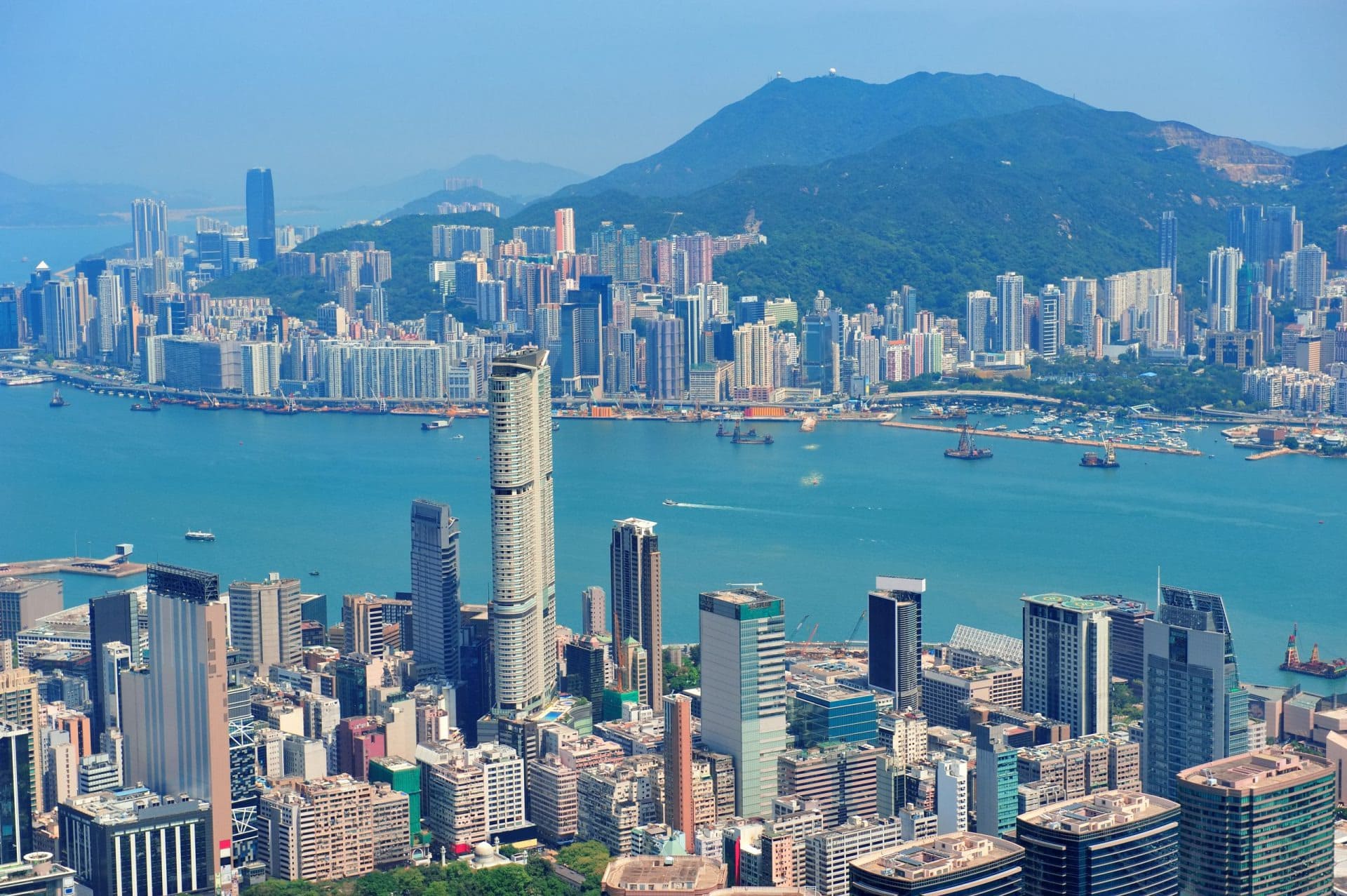
Geographically, Hong Kong is located in southern China, next to Shenzhen and facing the South China Sea. Hong Kong’s territory consists of three main areas: Hong Kong Island, the Kowloon Peninsula, and the New Territories. Thanks to its favorable coastal location, Hong Kong has long developed into an important commercial, financial, and tourism hub in Asia.
What makes Hong Kong special is its “one country, two systems” model. Under this model, Hong Kong is under China’s sovereignty but still maintains a separate system different from mainland China. Travelers can see this difference through the Hong Kong dollar, left-hand traffic, the use of Cantonese and English, as well as access to platforms such as Google, Facebook, and Gmail.
So, if you ask “Which country is Hong Kong in?”, the short answer is: Hong Kong belongs to China, but it is a special administrative region with its own management system. Understanding this correctly will help travelers avoid confusion when preparing entry documents, exchanging money, buy eSIMtraveling, or planning an itinerary to explore Hong Kong.
The history behind Hong Kong’s special administrative status
To understand why Hong Kong has its current special administrative status, we need to look back at a development process spanning more than a century and marked by many important historical changes.
In 1842, after the Qing Dynasty was defeated in the First Opium War, Hong Kong Island was ceded to the United Kingdom. This marked the beginning of Hong Kong becoming a British colony. In the years that followed, the territory was further expanded when Kowloon Peninsula was transferred in 1860 and the New Territories were leased for 99 years starting from 1898.
Under British administration, Hong Kong gradually developed from a sparsely populated coastal area into an important commercial and seaport center. Its legal, educational, and infrastructure systems were built on a Western model, laying the foundation for its long-term development later on.
During World War II (1941–1945), Hong Kong was occupied by Japan, causing serious disruption to the economy and social life. After the war ended, Britain returned to take over administration and continued developing Hong Kong into an international financial center, especially from the second half of the 20th century.
The most important turning point came on 1 7 1997, when the United Kingdom officially handed Hong Kong back to China. From that moment, Hong Kong became a special administrative region and adopted the “one country, two systems” principle.
Under this mechanism, Hong Kong still belongs to China’s sovereignty but maintains its own separate legal, economic, and social systems for 50 years after the handover. It is this special model that has helped Hong Kong continue to hold its role as one of Asia’s leading financial, commercial, and international trade centers.
Today, Hong Kong’s status as a special administrative region is not only the result of a political agreement, but also the outcome of colonial history, economic development, and the intersection of Eastern and Western cultures.
The differences between Hong Kong and mainland China
When looking into “Which country is Hong Kong in?”, many people get confused because Hong Kong belongs to China but operates very differently from mainland China. This difference comes from its historical development, the “one country, two systems” model, and Hong Kong’s status as a special administrative region.
Language
In Hong Kong, Cantonese is the most commonly used language in daily life. In addition, English is also widely seen on signs, public transport, restaurants, hotels, shopping malls, and tourism services.
Meanwhile, mainland China uses Mandarin as the main language. Therefore, if travelers are already familiar with Mandarin, they may still encounter some differences when communicating in Hong Kong, especially in local markets or traditional restaurants.
Writing system
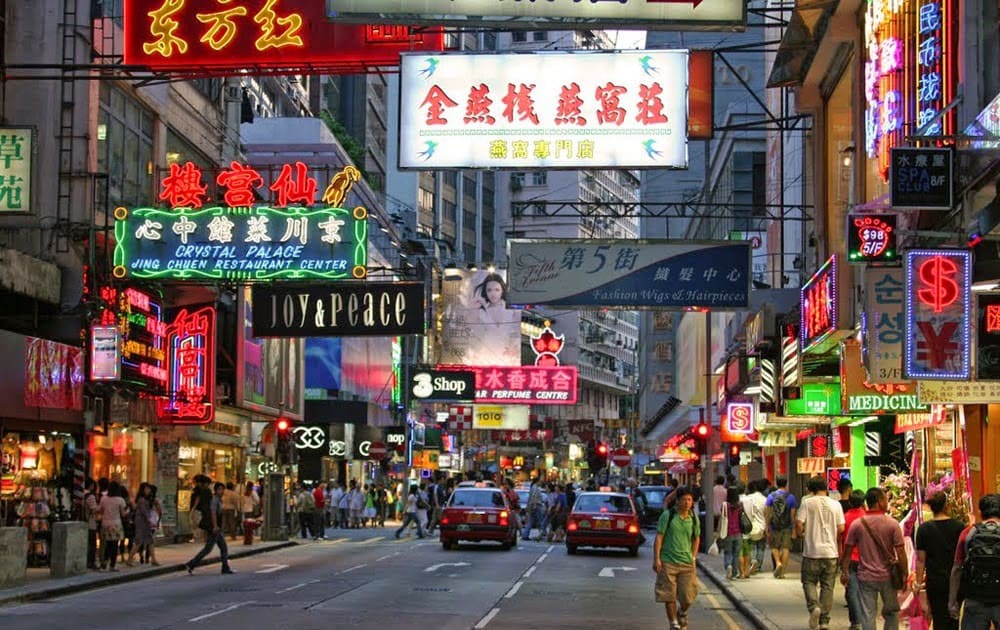
One noticeable difference is that Hong Kong uses Traditional Chinese characters, while mainland China mainly uses Simplified Chinese characters. Traditional characters usually have more strokes and are still used in Hong Kong’s education system, media, signage, and official documents.
For travelers, this difference may affect reading signs, menus, or public information. However, in major tourist areas, many places still include English, so getting around and looking up information is quite convenient.
Internet and online platforms
One of the clearest differences travelers notice between Hong Kong and mainland China is internet access. In Hong Kong, travelers can normally use Google, Facebook, Instagram, Gmail, YouTube, and many other international platforms.
By contrast, in mainland China, some international platforms are restricted. So if you are wondering “Which country is Hong Kong in?”, you should understand that although Hong Kong belongs to China, the internet environment here is much more distinct than on the mainland.
Currency and payments
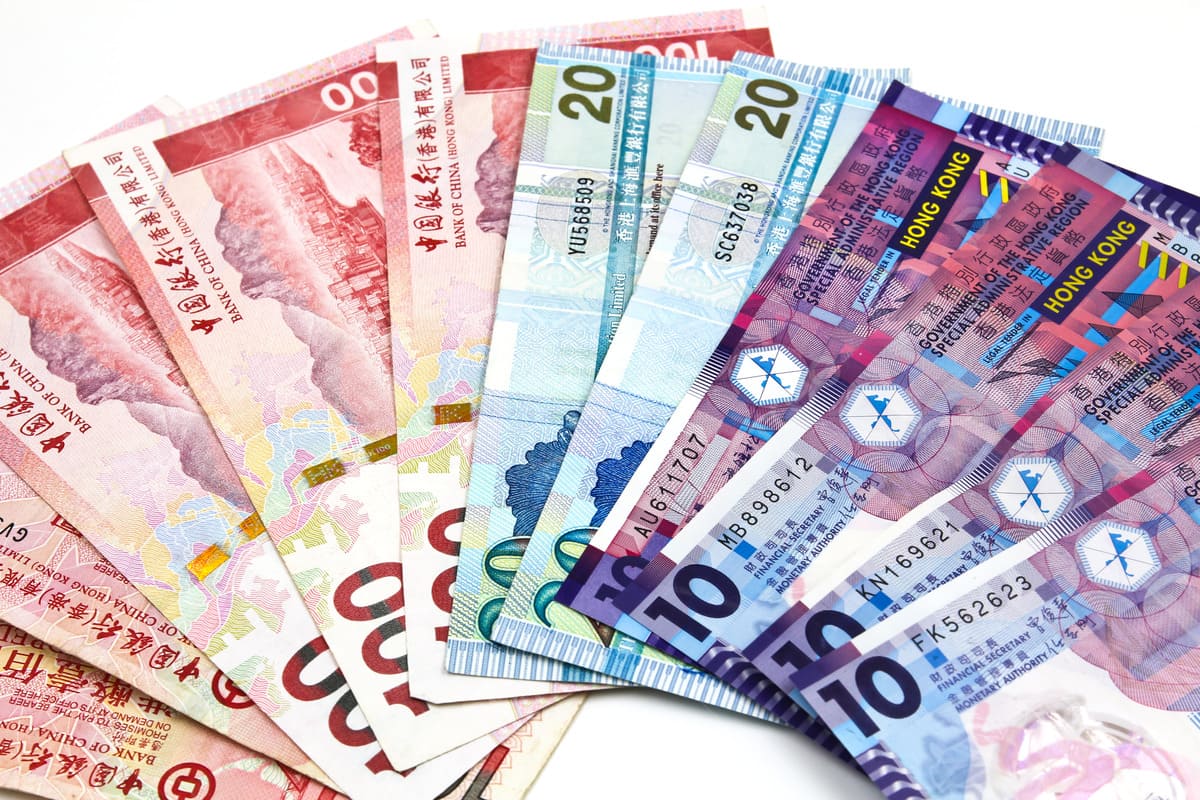
Hong Kong uses the Hong Kong dollar, abbreviated as HKD. Meanwhile, mainland China uses the renminbi, abbreviated as CNY or RMB. This is very important when preparing travel expenses, exchanging money, or making payments at your destination.
In Hong Kong, travelers can pay with cash, international cards, or Octopus cards for transportation, convenience stores, and some shopping venues. Although a few places may accept renminbi, travelers should still prepare HKD for more convenient transactions.
Transportation and travel habits
Hong Kong drives on the left, influenced by its time as a British colony. Meanwhile, mainland China drives on the right. This creates clear differences in road systems, traffic signs, and crossing habits.
For tourists, be careful to watch for traffic direction when crossing the street, especially in busy areas such as Mong Kok, Central, Tsim Sha Tsui, or Causeway Bay. Hong Kong’s public transportation system is very well developed, especially the MTR, double-decker buses, Star Ferry, and historic trams.
Entry rules and visa
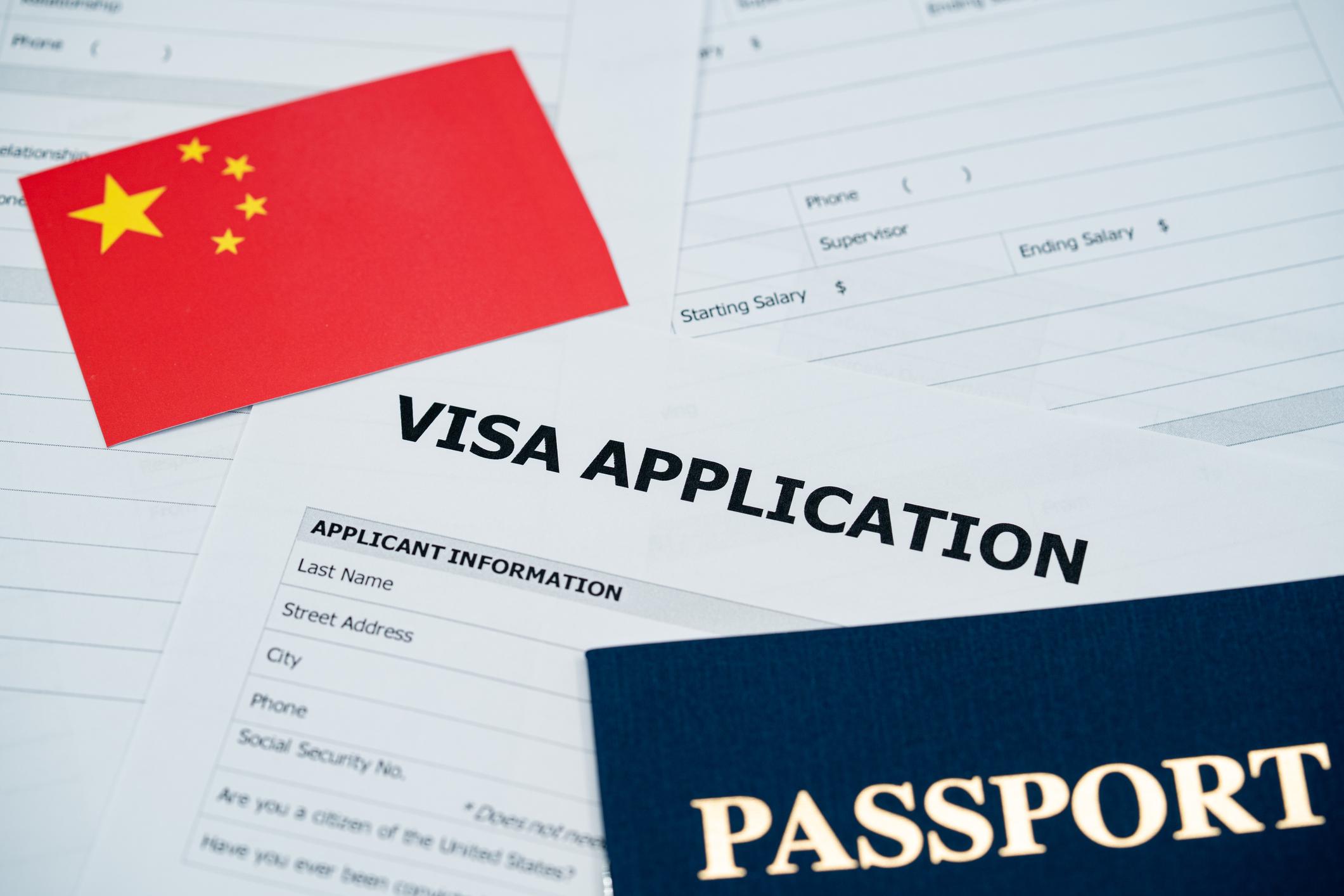
Although Hong Kong belongs to China, Hong Kong’s entry rules are not exactly the same as those of mainland China. Travelers need to check Hong Kong’s separate visa requirements before the trip, instead of assuming a China visa can be used in every case.
This is an important point to keep in mind when planning an itinerary that combines Hong Kong, Shenzhen, Guangzhou, or other mainland Chinese cities. If moving between regions, travelers should carefully check entry requirements to avoid problems at the border.
Culture and pace of life
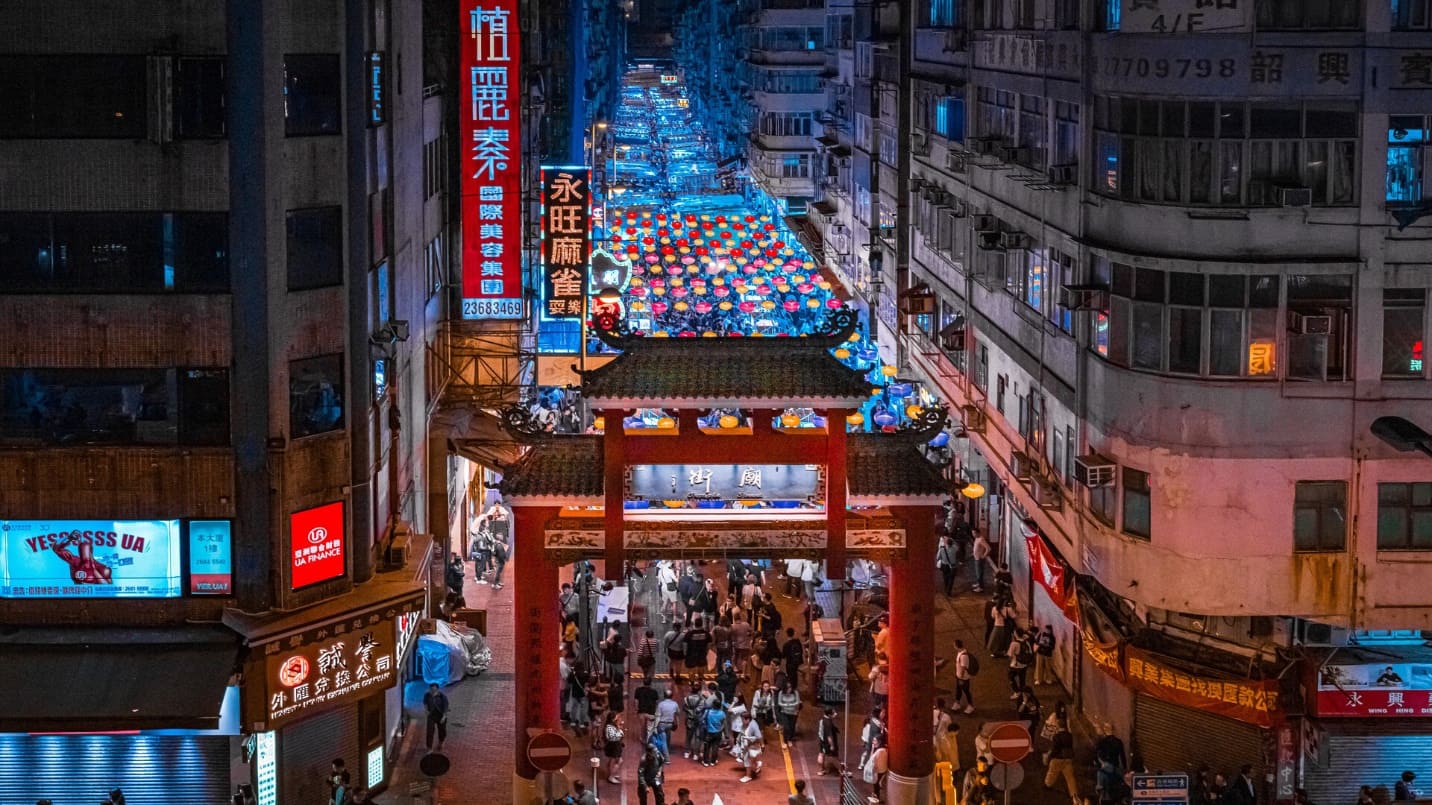
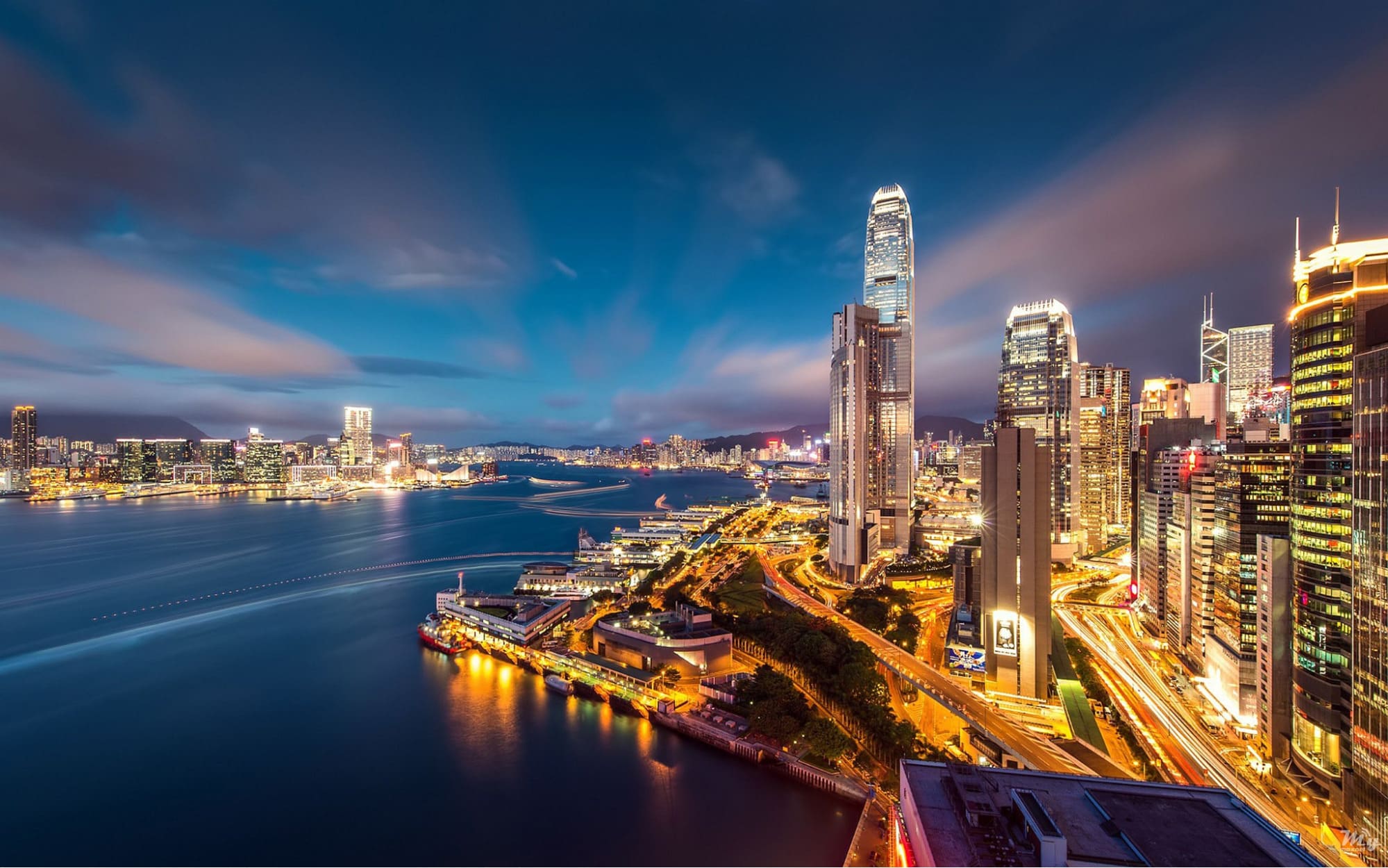
Hong Kong has a clear blend of Eastern culture and Western influence. This is reflected in its architecture, cuisine, work style, education system, public services, and urban lifestyle. On one side are traditional neighborhoods, night markets, and long-established dim sum shops; on the other are skyscrapers, financial centers, and modern shopping districts.
Compared with many cities in mainland China, Hong Kong has a more internationalized pace of life, making it suitable for travelers who enjoy exploring a modern city while still experiencing distinctive local culture.
See also: Hong Kong tourist visa: Documents, procedures, and visa application tips
Important things travelers should note when visiting Hong Kong
To make your trip to Hong Kong go smoothly, travelers should prepare some important information in advance about documents, internet, currency, transportation, and local culture.
- Prepare your documents and visa fully: Vietnamese travelers need to apply for a separate Hong Kong visa and cannot use a China visa in its place. Be sure to check the entry requirements and length of stay carefully, and prepare your application early to avoid affecting your itinerary.
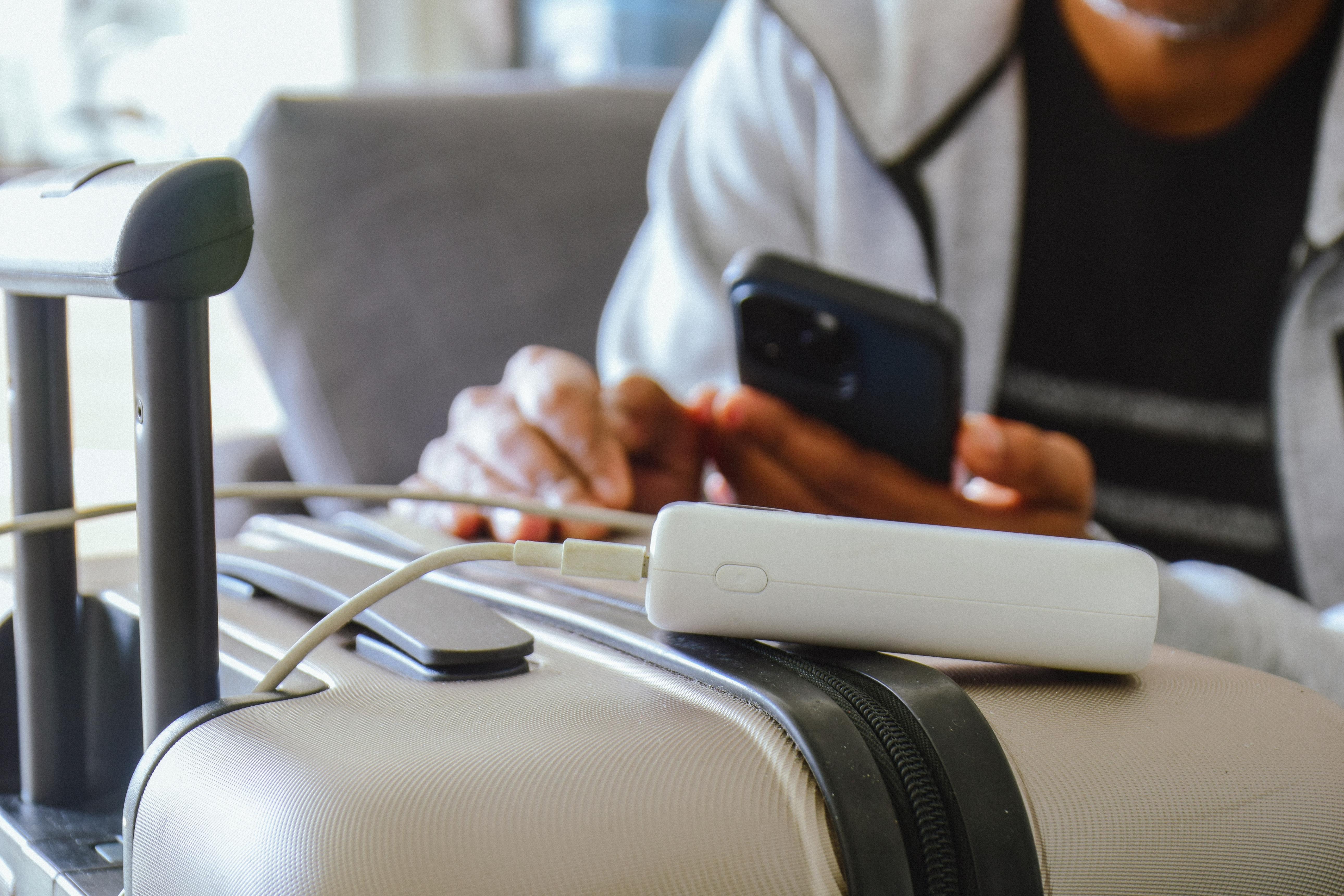
- Get connected as soon as you arrive: Hong Kong has stable internet, making it convenient for checking maps, booking rides, finding restaurants, and staying in touch. Travelers can buy a Hong Kong travel eSIM at SimPM, receive a QR code quickly by email, then install it via the website or download the app for easy use.
- Exchange money and prepare payment methods: Hong Kong uses the Hong Kong dollar (HKD), not the renminbi (CNY) used in mainland China. Travelers should exchange some cash and also prepare an international payment card for flexibility when shopping, dining, or getting around.
- Use an Octopus card for convenient travel: The Octopus card can be used on the MTR, buses, ferries, trams, and even at some convenience stores. It is a suitable option if you want to save time and avoid having to buy single tickets many times.
- Take advantage of the language environment: Cantonese is the most widely used language in Hong Kong, but English is also widely used in tourism, transportation, hotels, and shopping malls. Travelers can prepare a few basic phrases to make the trip more convenient.
- Follow public place regulations: Hong Kong has fairly strict rules about littering, smoking, pushing, or causing disorder in public places. Travelers should pay attention to signs and behave politely to avoid fines.
- Plan your sightseeing by area: Hong Kong has many famous attractions, but it also has a high population density and a fast pace of life. It is best to arrange your itinerary by area, such as Central, Tsim Sha Tsui, Mong Kok, and Causeway Bay, to save travel time.
- Prepare clothing suitable for the weather: Summers in Hong Kong are usually hot and humid, while winters are cooler than in Vietnam. Before the trip, travelers should check the weather forecast to prepare suitable clothing, shoes, and accessories.
- Budget reasonably: Hong Kong is a relatively expensive destination in Asia, especially for accommodation, dining, and shopping. Travelers should plan their budget in advance for each category to make the trip more comfortable.
So, we have answered the question for readers: “Which country is Hong Kong in?” and the answer is Hong Kong belongs to China. To make your Hong Kong trip more complete, preparing internet access as soon as you land is essential. Travelers can choose a Hong Kong travel eSIM at SimPM. This is a convenient solution that helps you stay connected, easily check maps, book services, and share your Hong Kong adventure anytime, anywhere.
See also: 11 important things to know when traveling to China