eSIM Pros and Cons: Should You Use an eSIM Instead of a Physical SIM?

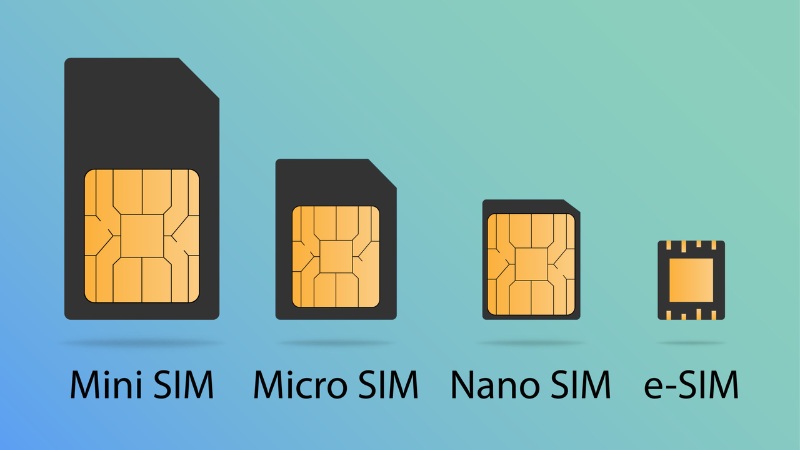
eSIM (embedded SIM) is an electronic SIM built into a device, allowing mobile service without a physical SIM. This technology is becoming increasingly popular on iPhones and newer smartphones thanks to fast activation and flexible management. However, eSIMs are not only advantageous; they also have certain limitations. Understanding the pros and cons of eSIM helps users avoid confusion when choosing. Read the detailed article to decide whether you should use an eSIM instead of a physical SIM and as your primary SIM.
1. Advantages of eSIM
Before going into each specific aspect, it is important to understand that eSIM was developed to solve the inherent inconveniences of physical SIM cards, such as inserting and removing them, managing multiple numbers, and hardware space limitations. That is why the advantages of eSIM are mainly centered on convenience, flexibility, and safety during use.
1.1. No physical SIM needed, fast activation
eSIM does not require inserting a physical SIM into the device. Users only need to scan a QR code or activate directly through the carrier’s or provider’s system to start using it right away. This process saves time, reduces technical steps, and is especially useful in situations where a quick connection is needed.
With Vietnam eSIM and travel eSIM plans at SimPM, users can buy online, receive an activation code, and install it directly on a compatible device without having to visit a store or wait for SIM delivery.
1.2. Use eSIM and physical SIM together on iPhone
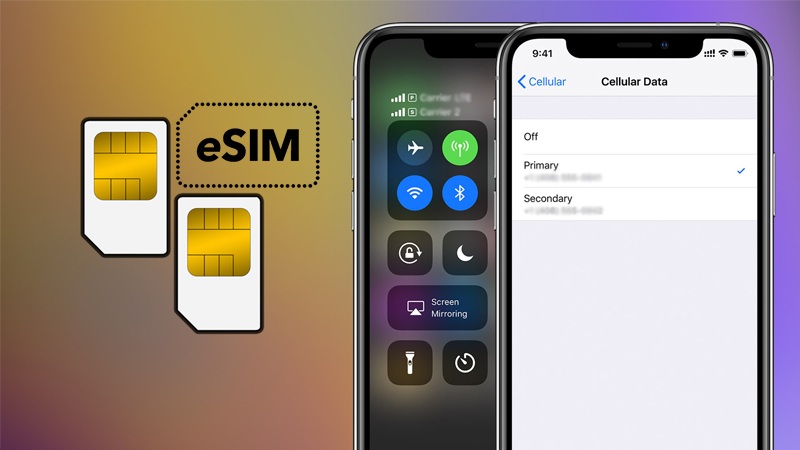
One of the standout advantages of eSIM is the ability to operate alongside a physical SIM on iPhone. Users can keep two phone numbers active at the same time on one device, making it easy to separate work and personal use or calls and data.
This way of using a phone helps optimize the experience without having to carry multiple phones, while still ensuring continuous connectivity in any situation.
1.3. Manage multiple eSIMs on the same device
Devices that support eSIM allow you to store multiple eSIM profiles and switch between them flexibly in Settings. Users do not need to remove the SIM when changing plans or switching usage regions; everything is done directly on the device. This is especially suitable for people who travel frequently, go on business trips, or travel abroad and need to change data plans while still keeping everything neatly managed on a single device.
1.4. Safer than a physical SIM
Because it is integrated directly into the device hardware, eSIM cannot be removed like a physical SIM. This helps reduce the risk of losing the SIM, SIM swapping, or phone number hijacking when the device is misplaced. In addition, eliminating the physical SIM tray also reduces hardware contact-related failures.
1.5. Can use eSIM as the primary SIM
eSIM can fully take on the role of a primary SIM, including calls, texts, and receiving OTPs, depending on the plan and carrier. Under stable network conditions, using eSIM as the primary SIM offers an experience that is not significantly different from a traditional physical SIM. For users who prefer a more compact setup and want to manage their subscription directly on the device, eSIM is a completely viable option for long-term use.
2. Disadvantages of eSIM
Although it brings many conveniences, eSIM still has certain limitations that users should consider before deciding to fully replace a physical SIM. These drawbacks are mainly related to the device, switching process, and dependence on network infrastructure.
2.1. Not every device supports eSIM
eSIM is only available on devices with compatible hardware, mainly iPhone and some newer Android models. Older devices or entry-level models often do not support eSIM, making it impossible for users to use it even if they want to.
For those preparing to go abroad and planning to use eSIM as Australia eSIM, checking in advance whether the device supports eSIM is a mandatory step to avoid buying an eSIM but being unable to activate it after arrival.
2.2. Switching an eSIM to another phone is more complicated
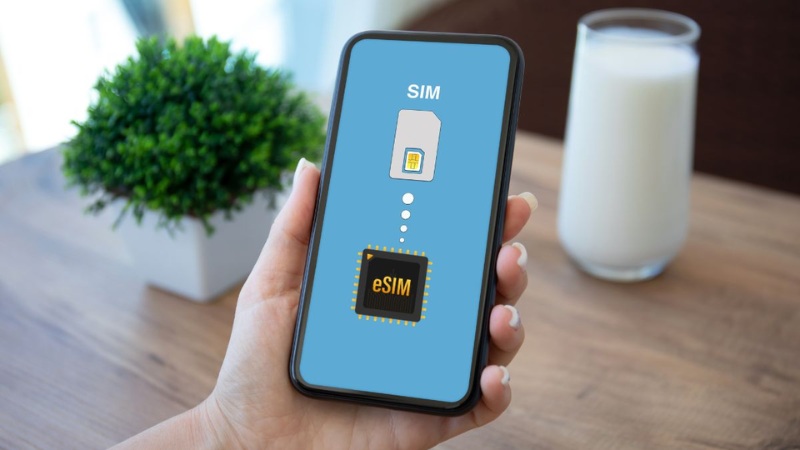
Unlike a physical SIM that can be inserted and removed flexibly, eSIM is tied directly to the device. When changing phones, users cannot transfer the eSIM to a new phone immediately and usually have to request a reissue of the eSIM from the carrier or provider. This can be inconvenient in cases of sudden phone changes or device issues while using eSIM, especially during travel or short business trips.
2.3. Dependent on the carrier and eSIM plan
The quality of the eSIM experience depends heavily on the carrier or partner network used by the eSIM plan. Each eSIM plan has different coverage, speeds, and network priority levels, especially international eSIM plans. For example, when using eSIM Japan, the connection is usually stable in central city areas. However, network quality may still vary when moving to suburban areas or regions with less telecommunications infrastructure, depending on which partner network is being prioritized at that time.
2.4. Concerns about signal and stability
Many people believe that eSIM may have weaker signal than a physical SIM. In reality, eSIM itself does not determine signal quality; the main factors are network infrastructure, location of use, and device configuration.
For example, when using Taiwan eSIM on trips across multiple provinces or to suburban areas, connection quality may vary depending on the local carrier the eSIM is connecting to, rather than due to eSIM technology itself.
2.5. Not suitable for people who change phones often
eSIM is not the best choice for people who frequently change devices or use multiple phones alternately. Having to reconfigure the eSIM every time you switch phones makes the experience less flexible than with a physical SIM. In situations where high flexibility is needed, especially when switching phones between trips, a physical SIM is still an easier solution and less dependent on technical setup.
3. FAQs – Frequently asked questions about the pros and cons of eSIM
Before deciding to use an eSIM instead of a physical SIM, many users still have concerns about stability, whether it can be used as a primary SIM, and how it works on iPhone. The FAQ section below summarizes the most common questions related to the pros and cons of eSIM, helping you gain a clearer and more practical understanding before making your choice.
Question 1: Should you use eSIM as your primary SIM?
eSIM can absolutely be used as a primary SIM if the device fully supports it and the user chooses a suitable eSIM plan. Under stable network conditions, eSIM handles calls, texts, and data usage well, just like a physical SIM. However, for people who frequently change phones or need flexible SIM insertion and removal, a physical SIM is still more convenient.
Question 2: Should you use eSIM on iPhone?
iPhone is currently the device line that supports eSIM most stably and optimally. iPhone users can easily manage eSIM, switch between plans, and use eSIM alongside a physical SIM. If you are using a newer iPhone and prioritize a compact setup with minimal steps, eSIM is worth considering.
Question 3: Can you use eSIM and a physical SIM together on iPhone?
iPhone allows simultaneous use of eSIM and a physical SIM, enabling two subscriptions to stay active on one device at the same time. Users can clearly separate usage purposes, for example one SIM for main communication and one eSIM for data or work. This is one of eSIM’s most notable advantages over a traditional physical SIM.
Question 4: Is SimPM’s eSIM stable?
The coverage of eSIM SimPM depends on the partner network in each country, prioritizing connections with major carriers to ensure a stable signal. Within the same coverage area, the speed and connection quality of eSIM are equivalent to a physical SIM. SimPM eSIM is suitable for use as a primary SIM during travel, business trips, or long-term data use, especially for those who need continuous connectivity without wanting to remove or swap SIMs.
The pros and cons of eSIM show that it is a suitable solution for modern users who prioritize convenience, compactness, and flexibility in subscription management. However, eSIM has not completely replaced physical SIMs in every case, especially for users with older devices or those who change phones often. Before switching to eSIM, users should carefully consider the device they are using, their personal habits, and network quality to choose the most suitable SIM option.