Thailand Independent Travel Guide: Tips from A to Z 2026

Are you planning a trip to Thailand but not sure where to start? If this is your first time traveling abroad, you can easily run into problems such as procedures, getting around, or eating if you are not well prepared. This article by SimPM will compile detailed and easy-to-follow self-guided Thailand travel experience for beginners, from preparation, finding flights, using SIM/eSIM, to travel itineraries, sightseeing, and practical tips.
Why is Thailand an ideal travel destination for Vietnamese travelers?
It is no coincidence that Thailand has always been among the top destinations chosen by Vietnamese travelers when going abroad. With reasonable costs, diverse experiences, and convenient transportation, the “Land of Smiles” is a suitable destination for both first-time travelers and independent trips.
- Travel costs in Thailand are quite “easy on the wallet” compared with many countries in the region. Flight tickets often have promotions, especially if you fly to Don Mueang. Food, transportation, and accommodation costs are also flexible, from budget to premium, making it easy to balance your budget.
- Thai cuisine is extremely suited to Vietnamese tastes: From famous dishes like Tom Yum and mango sticky rice to a wide variety of street food, you can easily find delicious food everywhere, from roadside stalls to shopping malls or convenience stores like 7-Eleven.
- A well-developed transportation and tourism system: In major cities like Bangkok, you can get around by BTS, MRT, bus, or taxi at reasonable costs. Using a travel SIM/eSIM also makes it easy to look up directions, book rides, or find places to eat.
- A shopping and entertainment paradise with many options: From night markets and modern shopping malls to local shops, you can shop freely with prices that do not differ too much. Activities such as food tours, Thai massage, temple visits, and nightlife are also very diverse.
- A safe and friendly travel environment: Open-minded locals, professional tourism services, and well-developed infrastructure make the trip easier, especially for those traveling abroad for the first time.
The ideal time to travel to Thailand
Thailand has a tropical monsoon climate, hot all year round, similar to Southern Vietnam. However, each period offers a different experience, from weather and festivals to costs. So instead of choosing “the best time,” you should choose a time that suits your trip purpose:
- From 11 to 3 – the most ideal time to travel
The weather is cool, dry, and with little rain, which is very convenient for sightseeing, getting around, and exploring major cities like Bangkok or Chiang Mai. This is also the peak travel season, so the atmosphere is quite lively.
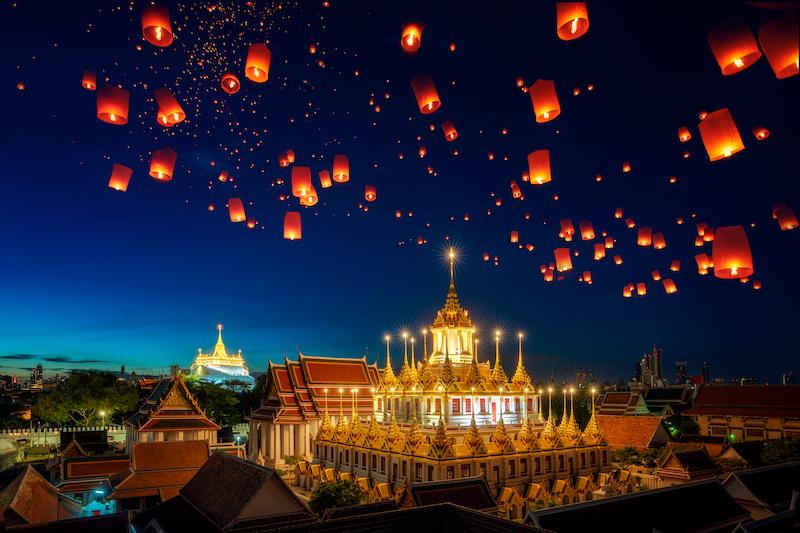
If you travel during this time, you also have the chance to join famous festivals such as Yi Peng and Loy Krathong around 11, with sky lantern releases and floating lanterns that are very distinctive of Thailand.
- From 4 to 6 – hot season but rich in festival experiences
The weather during this period is quite hot, and temperatures can be higher than in other months. However, this is also the time when many lively outdoor activities take place.
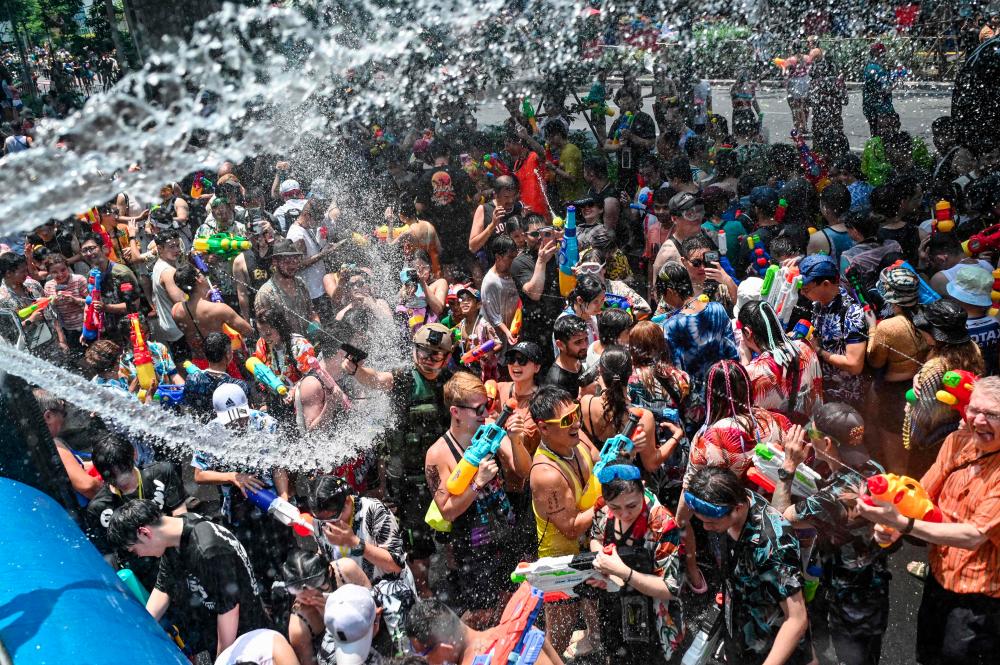
The highlight is the Songkran water festival in mid-4, one of the biggest events of the year. This is an opportunity for travelers to immerse themselves in the joyful atmosphere and experience local culture in a very vivid way.
- From 7 to 10 – rainy season, suitable for a budget-friendly trip
During this time, sudden showers often appear, but they do not last all day. As a result, the weather is milder, the scenery is greener, and the number of tourists is not too crowded.
If you want to optimize costs or avoid the peak travel season, this is still a reasonable choice. In addition, some local festivals such as Phi Ta Khon or Wing Kwai buffalo racing also take place during this period.
- The ideal time for shopping and hunting for sales
Thailand is famous as a shopping paradise with many major sales periods throughout the year, especially around 6 to 8 and 12.
If your goal is shopping, this is a very worthwhile time to consider when malls roll out many attractive promotions at the same time.
Things to prepare when traveling to Thailand
To have a smooth independent trip to Thailand, preparing in advance from documents and money to luggage is extremely important. Missing even a few small things can cause trouble at immigration or during transportation and dining.
Currency & how to exchange money
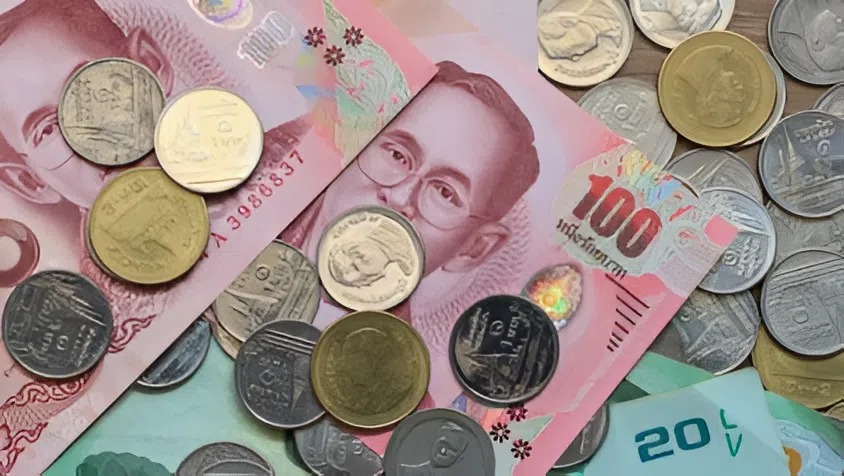
- The currency in Thailand is the Baht (THB), and the exchange rate may change depending on the time (for example, around 819.7 VND/baht at the current time). You should exchange some money in advance in Vietnam so you can spend right away upon arrival, avoiding being stuck or having to exchange at the airport at a high rate.
- You can exchange money at banks at the official listed exchange rate, but the procedures are quite strict and usually require your passport, flight ticket, and hotel booking confirmation or tour contract. Also, contact them in advance because not every branch has Baht available for exchange.
- If you need something quicker, you can exchange at gold shops or foreign exchange points such as Ha Trung Street (Hanoi) or the Ben Thanh Market area (Ho Chi Minh City). The exchange rate there is usually higher than at banks, but transactions are more flexible and easier. Some people also choose to exchange with other travelers through groups, but you need to check credibility before making any transaction.
- When carrying money, note the foreign currency limits (no more than 5.000 USD when exiting the country). In addition to cash, you should also prepare an international payment card for shopping at malls, which is both safer and may offer better exchange rates than exchanging cash.
- Thailand uses both banknotes and coins, so you should bring a zippered wallet to avoid losing coins while traveling or shopping.
Required documents for entry
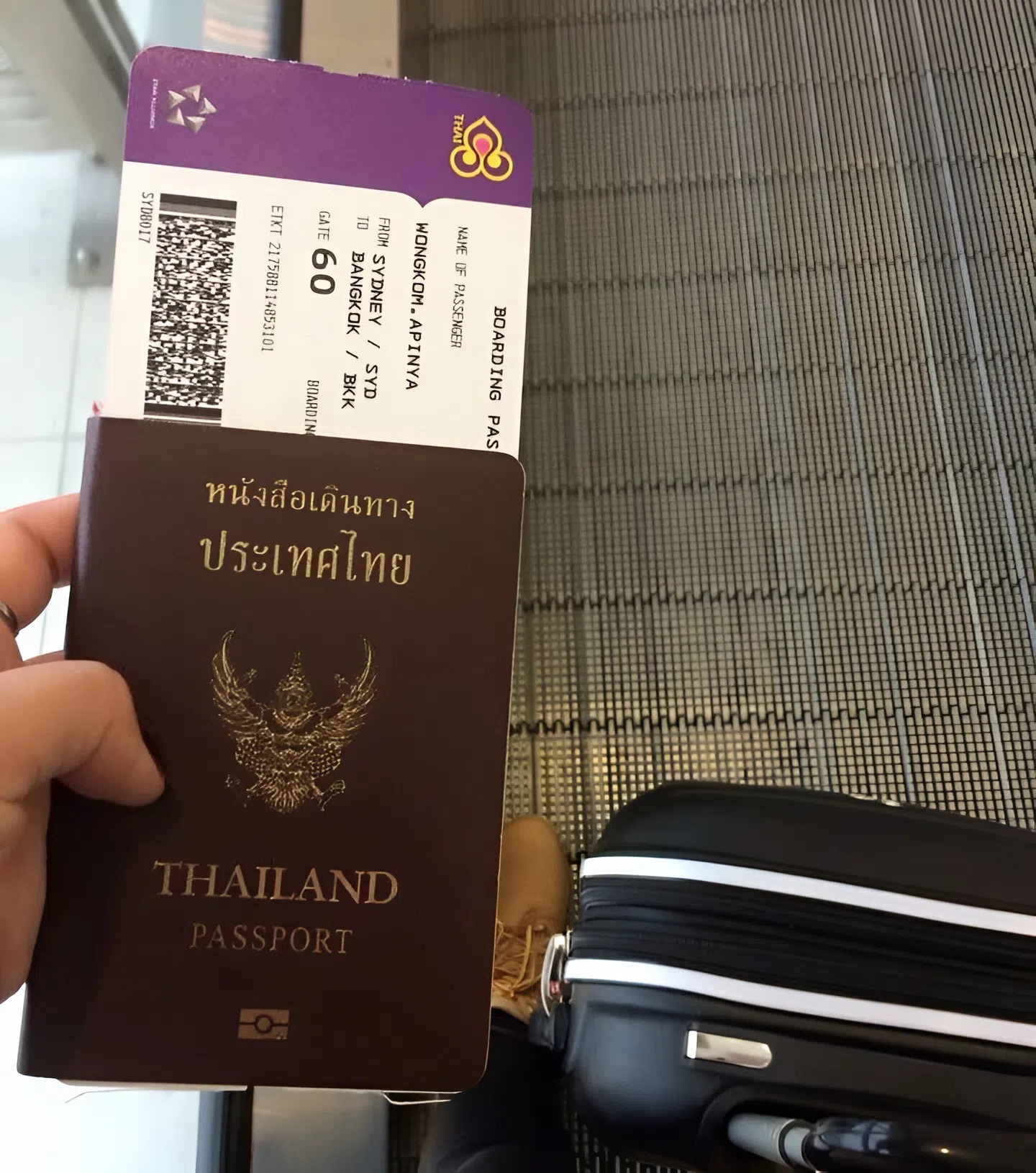
- Vietnamese citizens are exempt from visas when traveling to Thailand for a maximum stay of 60 days for tourism or short-term family visits, so you only need a passport valid for at least 6 months from the date of entry. This is a mandatory condition; if it is not met, you may be denied boarding right at the airport.
- You should photocopy your passport in advance and keep it in a separate bag in case the original is lost. In addition, saving a soft copy on your phone also helps you handle matters more easily if you need to reissue documents at the Embassy.
- Prepare your round-trip flight ticket and hotel booking confirmation (electronic file or printed copy) to present when needed. In some cases, immigration staff may ask to check this information.
- If traveling on a tour, you should follow the information from the organizer (usually via Zalo group or email) to update the itinerary, meeting time, and important notices throughout the trip.
SIM/Travel eSIM for Thailand
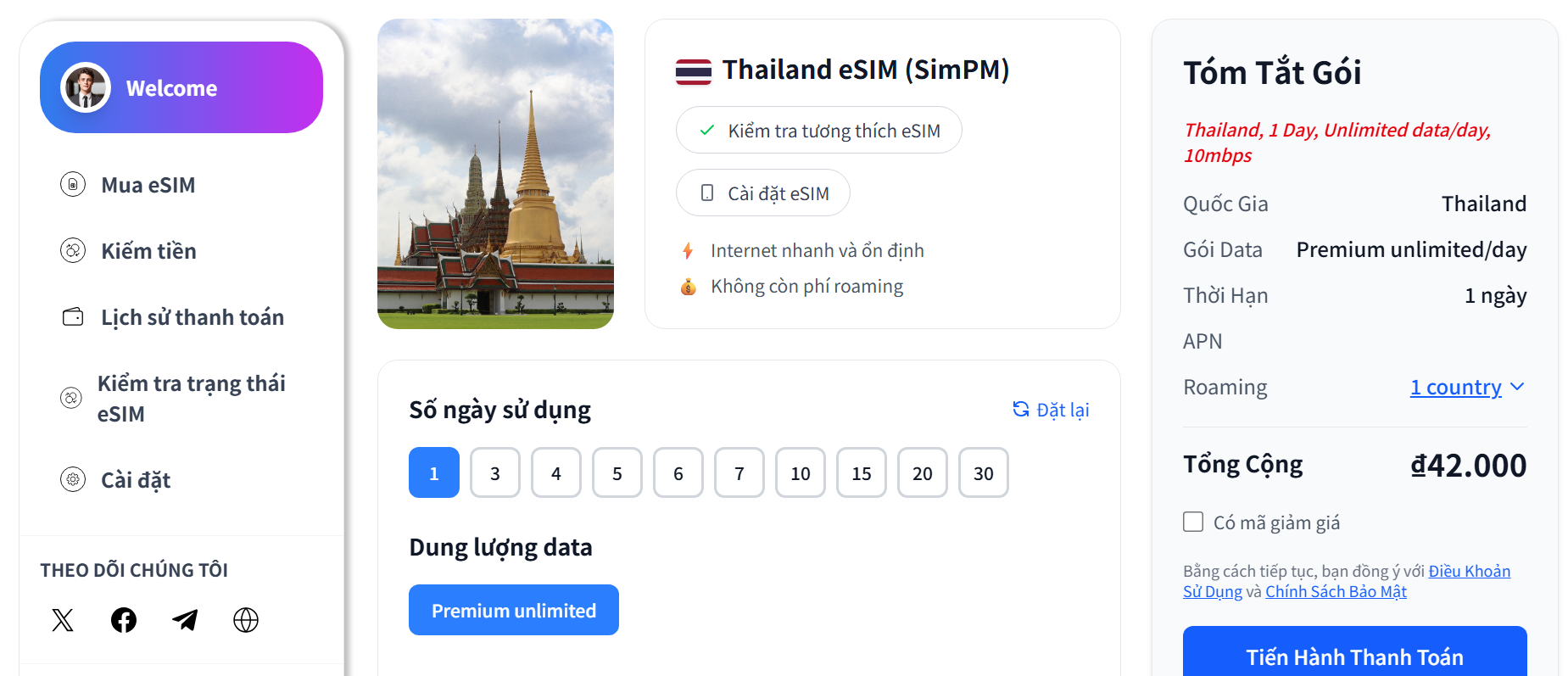
- Preparing a SIM or eSIM before your trip gives you internet as soon as you land, which is very necessary for looking up directions, booking rides, finding places to eat, or contacting others. If you buy it at a Thailand airport, it is convenient but usually significantly more expensive.
- eSIM is the optimal choice because there is no need to remove or insert anything; just scan the QR code and you can use it immediately. You only need to check whether your device supports eSIM, while keeping your primary SIM for calls and OTPs, and using the eSIM for internet access throughout the trip.
- In addition, if you are traveling in a group, you can also rent a portable Wi-Fi device to share and save costs. However, this option will be less flexible if everyone splits up.
Packing tips for traveling to Thailand
- For clothing, prioritize light, breathable outfits suitable for hot weather all year round. You should base your clothing on your itinerary, especially if you plan to visit temples, where you need to bring modest clothes such as long pants and sleeved tops to avoid being denied entry.
- Travel itineraries usually last all day, so prepare enough outfits to change into and take photos. If you plan to go to the beach or islands such as Coral Island, you should bring rubber sandals or flip-flops for easier movement instead of shoes or high heels.
- For footwear, choose comfortable, easy-to-wear shoes because you will have to walk quite a lot. Stylish shoes should only be used for photos; otherwise, choose sneakers or comfortable sandals to avoid foot pain.
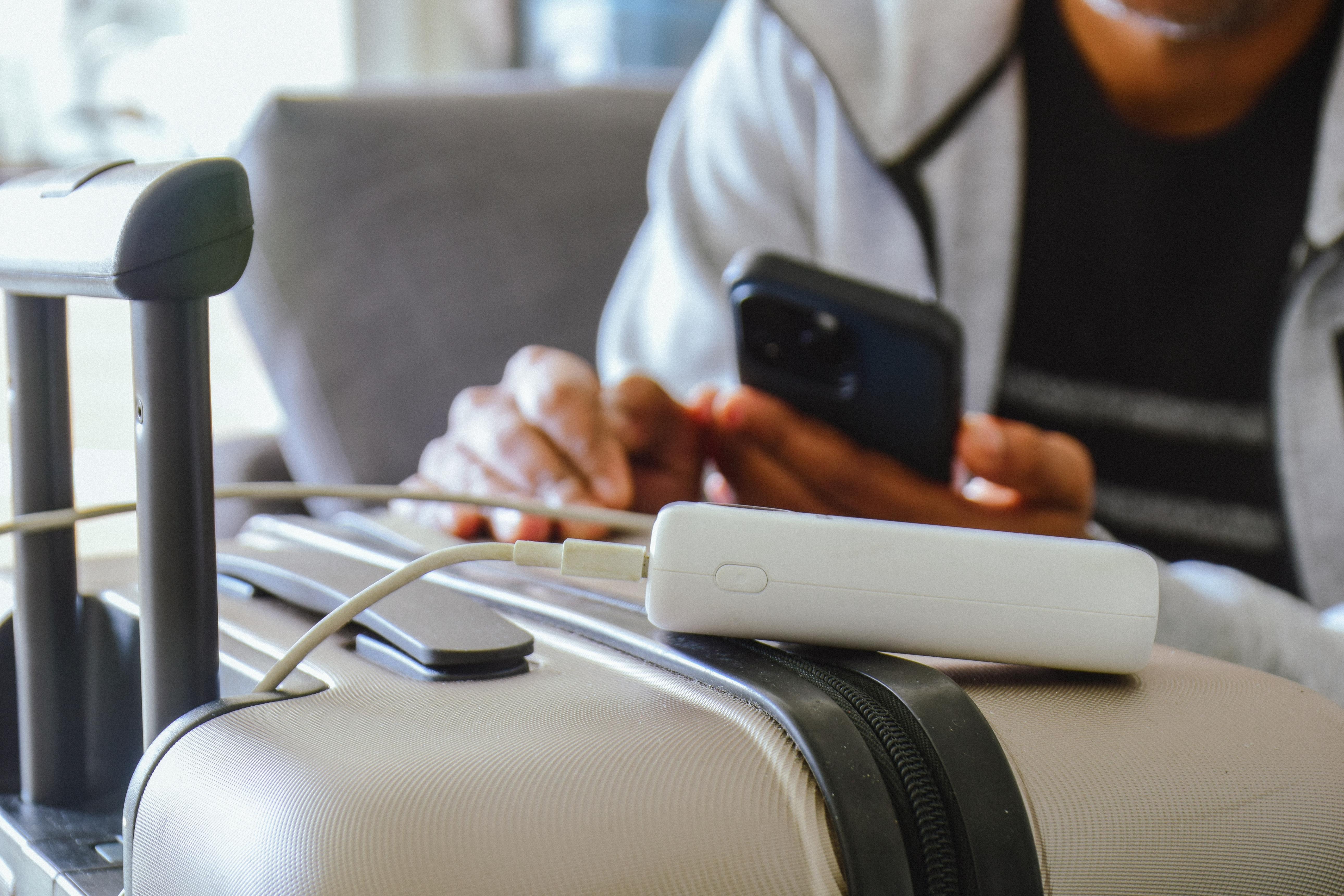
- Don’t forget to bring personal items such as sunscreen, cosmetics, toothbrushes, a power bank, and necessary electronic devices. These items will help you stay comfortable throughout the journey, especially when moving continuously outdoors.
- You should prepare some basic medicines such as cold medicine, fever reducers, stomach medicine, or digestive aids. Changes in weather and cuisine may cause your body to take time to adapt, so being prepared will help you be more proactive instead of having to buy them abroad.
Note: Check your airline’s baggage rules carefully and avoid bringing prohibited items into Thailand to avoid wasting time handling them at the airport.
See more: Do you need a visa to go to Thailand? Latest entry regulations 2026
Thailand travel experience – finding cheap flights
Airfare to Thailand is no longer as “stable” as before but tends to fluctuate, mainly due to rising fuel costs amid global volatility. Therefore, if you do not have a clear plan, you may easily buy tickets at a higher-than-normal price. Below are practical tips to help you find cheap flights:
- Book early to avoid price increases over time: You should book tickets about 1-2 months in advance, especially if traveling during peak season (11 – 3) or holidays. During periods when fuel affects fares, booking close to departure almost certainly means paying more.
- Monitor airfare regularly and hunt for promotions: Airlines such as Vietnam Airlines, Vietjet Air, AirAsia, and Thai Airways still frequently offer promotions, but the sale periods are quite short. Following airline fan pages or booking apps will help you lock in a deal in time.
- Be flexible with your flight dates to optimize costs: Flying on weekdays (early week or midweek) is usually cheaper than on weekends. In addition, less popular time slots such as early morning or late at night also tend to have better prices.
- Choose the right airport to save money: If you want to optimize your budget, you can prioritize flying to Don Mueang, where low-cost airlines are concentrated. Meanwhile, Suvarnabhumi is more suitable if you want a full-service experience and convenient connections.
- Compare prices across booking platforms: Booking through apps such as Traveloka, Agoda, or Booking makes it easy to compare many airlines at once, while also clearly seeing baggage fees, flight times, and fare conditions.
- Understand the fare level to avoid overpaying: In the current context, round-trip tickets to Thailand usually range from about 4 – 7 million VND depending on the time and airline. If you can find a ticket around 4 million, that is already quite good.
- Take advantage of the short flight route: The flight time from Vietnam to Thailand is only about 2 hours from airports such as Noi Bai, Tan Son Nhat, or Da Nang. There is no time difference, so you can flexibly choose your flight time without worrying about affecting your itinerary.
What should you pay attention to for Thai exit and entry procedures?
If you are looking for Thailand travel experience, the exit and entry procedures are something you cannot overlook. Although Vietnamese travelers are exempt from visas for 60 days, you still need to understand the following notes to avoid problems at the airport:
Notes on entering Thailand
- Electronic Arrival Card (TDAC) is mandatory: This is the latest regulation from 5/2025. Before your flight 72 g hours in advance, you must register for TDAC for free on the official website of the Thai Immigration Bureau and keep the QR code to present during check-in.
- Passport valid for at least 6 months: This is a mandatory condition. Please check carefully before booking your ticket.
- Round-trip or onward ticket: You need a ticket showing departure from Thailand within 60 days from the date of entry. If you only have a one-way ticket, you may be denied boarding right in Vietnam.
- Proof of financial means: Although it is rarely checked for Vietnamese travelers, according to the rules you should bring at least 10.000 Baht per person (about 7 million VND) or the equivalent foreign currency to prove financial means when requested.
- Clear accommodation address: You need to accurately declare the hotel name or place where you will stay in Thailand.
Notes on leaving Thailand
- Do not overstay your permitted stay (overstay): The entry stamp in your passport will clearly show the last day you are allowed to stay (usually 60 days). Absolutely do not stay past this date. If you violate it, you will be fined 500 Baht per day, and may even be detained and banned from entering Thailand for many years.
- If you want to stay longer, apply for an extension before the expiry date: You can go to the Thai Immigration Bureau to apply for an additional 30 days, with a fee of 1.900 Baht. Do not wait until the last day to complete the procedure.
- Do not bring prohibited items: When leaving the country, you also need to avoid carrying large quantities of items such as cigarettes, alcohol, or products from wildlife that exceed the permitted limit.
- Complete exit procedures at the airport: You only need to present your passport at the Immigration counter. The officer will stamp your exit and you are done. No additional documents are required.
Getting around in Thailand – how to travel economically?
Getting around Thailand is quite easy thanks to the developed transportation system, especially in major cities like Bangkok. However, if you do not choose the right transportation, travel costs can increase significantly. Below are ways to optimize your budget while still moving around conveniently when you arrive in Thailand:
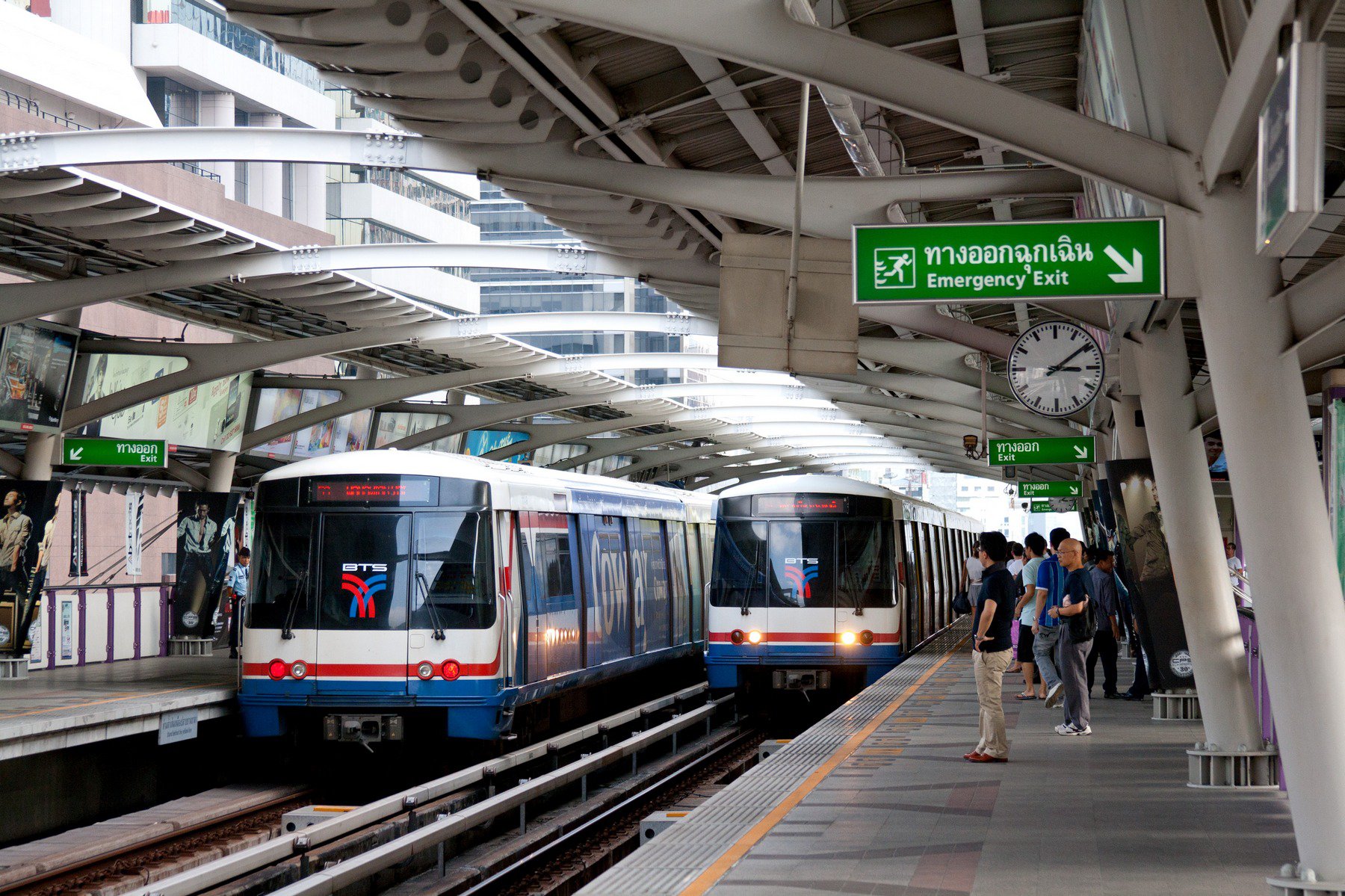
- Prioritize BTS and MRT when traveling within the city: The elevated train (BTS) and subway (MRT) are fast, economical choices that help avoid traffic jams. Fares are reasonable, easy to use, and very convenient when traveling between attractions or shopping malls.
- Combine the train with walking: Distances between attractions are often not too far, so you can walk after getting off the train to save money. This is also an interesting way to explore Thai streets and enjoy local cuisine.
- Choose the bus if you want to save the most: Buses are the cheapest option, but they can be a bit difficult to use if you are not familiar with the routes or language. They are suitable for those who have already studied the route in advance.
- Use Grab or a taxi when traveling in a group: If traveling in a group of 2-4 people, sharing Grab or taxi costs will be more reasonable than traveling separately. Prioritize Grab so you know the fare in advance and avoid being overcharged.
- Experience tuk tuks but ask the price first: Tuk tuks are a distinctive form of transport, suitable more for experiencing than for frequent travel. Prices are not fixed, so you need to ask and agree before getting in.
- Rent a motorbike when visiting islands or areas with limited public transport: In places like Pattaya or the islands, renting a motorbike helps you flexibly arrange your schedule and save money compared with a taxi. However, make sure you have the appropriate license and drive carefully.
- Always have internet to look up directions: Using an eSIM or travel SIM will help you easily look up maps, book rides, and find suitable routes without wasting time asking for directions.
Where should you stay when traveling to Thailand for the first time?
Among Thailand travel experiences, choosing a suitable area to stay from the start will help you save a great deal of time, transportation costs, and effort in planning your itinerary. Based on real experience and advice from previous travelers, instead of choosing a hotel “randomly,” you should first identify the places you want to visit, then narrow down the accommodation area accordingly.
- Khu Pratunam: Ideal if you prioritize shopping and want to stay in the center while still saving money. This area is near Pratunam Market, Platinum Mall, and many major shopping centers, with a wide variety of eateries and convenience stores around it. Hotel prices are mostly in the budget to mid-range segment, so it is fairly easy to find a room. However, this area is quite crowded and traffic jams are common during peak hours.
- Khu Sukhumvit: This is a “safe” area for first-time travelers thanks to the BTS/MRT network running through it, with direct connections to tourist attractions and shopping areas. The area has many hotels, hostels, and homestays at a wide range of prices, suitable for many budgets. In addition, Sukhumvit has many restaurants, cafes, and bars, so it is quite lively and a good choice if you enjoy nightlife experiences.
- Khu Siam: If you want to stay right in the most central area, Siam is a sensible choice. It is home to major shopping centers such as Siam Paragon, CentralWorld, and MBK, and is a junction for many BTS lines, making getting around very convenient. However, room rates in this area are usually higher than in other areas.
- Prioritize hotels near BTS/MRT: No matter which area you stay in, you should choose a hotel about 300 – 500m from the train station. This helps reduce taxi/Grab costs, limit traffic jams, and make your travel schedule more flexible. In Bangkok, the skytrain is still the fastest and most reliable way to travel between attractions.
What to eat when traveling in Thailand
In Thailand travel experience, food is always an important part you should not miss, especially if this is your first visit. From street food and convenience stores to famous eateries, you will have plenty of choices at reasonable prices. However, to eat well, save time, and avoid less-than-expected experiences, you should know a few practical tips below in advance.
Street food experience & 7-Eleven
Street food in Thailand is very diverse, easy to eat, and cheap, especially in night markets or food streets. You can easily find grilled dishes, noodles, seafood, or sweets right on the sidewalk.
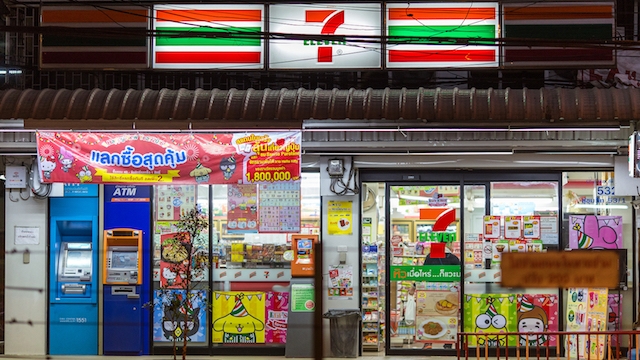
In addition, 7-Eleven is the “go-to” place for quick meals. The stores are everywhere and sell everything from bread, rice boxes, sausages to desserts. One interesting thing is that the menu here is updated regularly, so if you see something appealing, you should try it right away because it may not be available next time.
Dishes you must try when visiting Thailand
Thai cuisine is famous for balancing sour, spicy, salty, and sweet flavors, so it is quite easy to become “addicted” after the first try. Below are some popular dishes that almost everyone traveling to Thailand should experience:
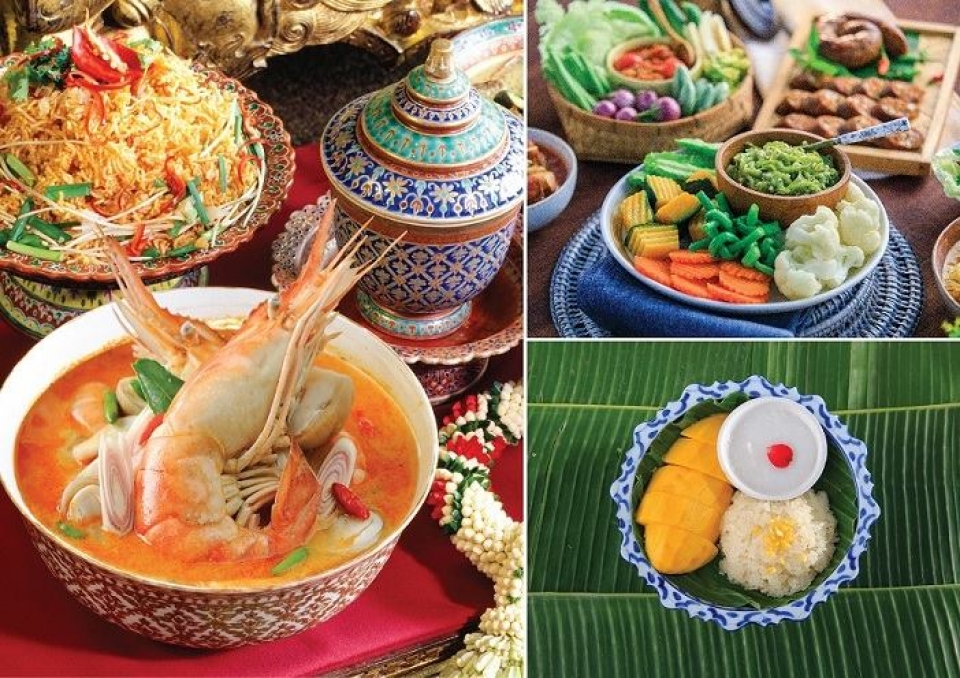
- Tom Yum: This is Thailand’s signature sour and spicy soup, usually cooked with shrimp, mushrooms, lemongrass, galangal, and kaffir lime leaves. The broth has a clear sour taste, mild heat, and a distinctive aroma from the spices. There are two common versions: clear Tom Yum and a richer, cloudier Tom Yum made with milk or coconut milk.
- Pad Thai: This famous stir-fried noodle dish is made from rice noodles stir-fried with eggs, shrimp or meat, tofu, bean sprouts, and a signature tamarind sauce. It is usually served with roasted peanuts, lime, and chili powder so you can adjust the taste yourself. It is a very easy-to-eat dish, suitable for Vietnamese travelers, and is commonly found in both casual eateries and restaurants.
- Mango Sticky Rice: This “national favorite” dessert consists of sticky rice served with ripe mango and coconut milk. It is rich, sweet, and fragrant, and very easy to enjoy. Depending on the mango season, the sweetness may vary, but overall this is a dish you should try at least once.
- Mama Tom Yum Noodles: Although it is instant noodles, when served in restaurants this dish is upgraded with toppings such as shrimp, eggs, meat, seafood… creating a “premium” version with a richer flavor. It is a popular dish in local eateries and is especially loved by young people.
- Grilled skewers and grilled seafood: You can easily find these dishes at night markets or food streets. The meat is well-marinated and grilled directly over charcoal, so it is very fragrant. The seafood is also quite fresh and reasonably priced, making it suitable for a quick meal or snacks while out and about.
- Food in shopping malls: If you are not used to street food or want a cool, clean space, you can choose to eat in food courts or restaurants in malls. These areas usually offer many options from traditional Thai dishes to international cuisine, with clearly listed prices and easier ordering.
Practical dining tips
- Plan your mealtime to avoid crowds: Popular restaurants in Bangkok are often busy in the evenings and on weekends. If you want a more comfortable meal, you should go early (around 16h30 – 18h) or outside peak meal times so you do not have to wait too long.
- Check restaurant information in advance: Many restaurants in Thailand have fixed days off or opening hours that differ from what you might expect. You should check in advance on Google Maps or the restaurant’s fan page so you do not arrive when it is closed.
- Prioritize restaurants with clear menus and listed prices: If you are not used to ordering food, you should choose restaurants with pictures and clearly posted prices so it is easier to choose and reduces confusion when paying, especially in tourist areas.
- Adjust the flavor when ordering: Thai cuisine is usually spicier and more heavily seasoned than Vietnamese tastes. When ordering, you should specify the spice level (less spicy or not spicy) to make it easier to eat, especially for dishes like Tom Yum or noodles.
- Do not rely completely on reviews: Some “hot” dishes online may sell out early, change their menu, or no longer be available. Instead of trying to find the exact shop, you can be flexible and choose restaurants that are busy with locals or places serving dishes you find appealing.
- Eat flexibly around your travel schedule: You do not necessarily need to have a full meal each time; instead, you can alternate with light meals from convenience stores, small shops, or night markets to save time and try more dishes throughout the day.
Places to have fun in Thailand
Thailand is not only famous for its cuisine but also for many diverse entertainment spots, depending on your interests such as shopping, food experiences, or cultural exploration. If you know how to choose areas that fit your itinerary, you can combine multiple experiences in one day without spending too much time traveling.
- Shopping mall areas
Bangkok is famous for its large shopping mall network, concentrated mainly in the Siam and Sukhumvit areas. Some notable places include Siam Paragon, CentralWorld, MBK Center, and Terminal 21.
This is an ideal choice at lunchtime or on hot days because the space is cool and has full shopping areas, food courts, and entertainment zones. In particular, food courts in malls are quite reasonably priced, making them a good option if you want to eat comfortably, easily choose dishes, and rest between travel plans. suitable
- Night markets & food streets
Night markets are where you can feel Bangkok’s lively nighttime atmosphere most clearly. Some notable areas include Jodd Fairs Night Market, Asiatique The Riverfront, and Chinatown Bangkok.
Here, you can eat and shop at the same time with many street foods such as grilled seafood, fried snacks, Thai milk tea… The best time to visit is around 17h – 19h when the stalls start opening and it is not too crowded yet.
- Shopping streets
If you prioritize good-value shopping, you can visit Pratunam Market and Platinum Fashion Mall. This is an area specializing in clothing and accessories at budget to mid-range prices, suitable for buying items in larger quantities.
In addition, the streets around Siam or weekend markets such as Chatuchak Weekend Market are also popular choices. However, these areas are usually very crowded, especially on weekends, so you should go early to avoid traffic jams and crowds.
- Dining and nightlife areas & nightlife
If you want to experience Bangkok by night, you can visit the Sukhumvit area, which has many restaurants, bars, and cafes. Some notable areas include Nana, Asok, and Thonglor, with plenty of options ranging from budget-friendly to upscale.
In addition, areas like Khao San Road are also very famous with tourists thanks to their lively atmosphere, many bars, and nighttime entertainment activities.
- Daytime attractions, easy to combine
Along with dining and shopping, you can mix in visits to famous places such as Grand Palace Bangkok, Wat Phra Kaew, Wat Arun, or Wat Pho. These places are usually best visited in the morning or early afternoon to avoid harsh sun and crowds. You can combine attractions by area to save travel time.
What souvenirs to buy when traveling in Thailand
If you are looking for gifts to bring back after your trip, Thailand has many easy-to-buy options at reasonable prices that suit many people.
- Packaged specialty snacks & – easy to buy, easy to take home: Thai snacks, seaweed, candy, instant noodles (especially Tom Yum-flavored noodles), or dried mango and dried durian are all very popular. These items are easy to find at convenience stores such as 7-Eleven Thailand, convenient to buy and suitable as gifts in large quantities.
- Cosmetics & personal care products – great prices, wide variety:Products such as balm, massage oil, skincare cream, lipstick, or Thai domestic skincare items are chosen by many travelers because they are reasonably priced, easy to buy, and come in a wide variety.
- Clothing & accessories – many choices, flexible prices: Fashion in Thailand is quite diverse, from basic to trendy. You can easily find clothes, bags, and accessories at many different price points, suitable for yourself or as gifts.
- Handicrafts & souvenirs: Products such as handmade soap, small wooden items, decorations, or souvenirs printed with distinctive Thai designs are a good choice if you want a keepsake gift.
Note: You should prioritize compact, easy-to-pack items for convenience when bringing them home. For food, check the expiration date and your airline’s baggage regulations if you buy in large quantities.
See also: What should you buy when going to Thailand? Top 16+ specialties & gifts worth buying
Important things to remember when traveling in Thailand
Besides the itinerary, dining spots, and accommodation, understanding a few cultural rules and local habits will help your trip go more smoothly and avoid unnecessary embarrassing situations. Below are important tips that are very easy to overlook when traveling to Thailand for the first time:
- Respect the Royal Family – the most important rule: The Thai Royal Family is especially revered by the locals, so you should avoid any behavior that could be seen as disrespectful, such as pointing, joking, or making negative comments. Do not step on coins or any items printed with the king’s image. When the national anthem is played in public places (such as cinemas or train stations), you should stand at attention to show respect.
- Respect Buddhism and temple spaces: Buddhism plays a very large role in Thai life. When visiting temples or sacred places, you should dress modestly and respectfully (pants/skirts below the knees, tops that do not expose the shoulders). Keep a serious attitude, speak softly, and do not joke around. Absolutely do not touch Buddha statues, especially the head, and do not climb or sit on worship areas.
- Notes when interacting with monks: Monks are highly respected and usually have designated priority seating on public transport. In particular, women should not touch monks or hand items directly; if needed, place them down or ask someone else to help.
- Do not touch other people’s heads: In Thai culture, the head is considered the most sacred part of the body. Therefore, patting someone on the head (including children) or touching another person’s head is considered disrespectful.
- Maintain polite behavior in public: Thai people are generally gentle and polite in communication, so you should also avoid speaking loudly, arguing, or showing strong emotions in crowded places. This is especially important in tourist areas, on public transport, or at sacred places.
We hope the sharing in this article has helped you gain more complete and practical experience for traveling in Thailand, especially if this is your first trip. With proper preparation from your itinerary and accommodation to transportation and cultural etiquette, you can fully enjoy the journey without feeling too unfamiliar when traveling in Thailand.
Don’t forget to prepare travel eSIM so you always have stable internet as soon as you land. If you have any questions that need answering, please contact the hotline 0919.999.336 for the fastest support.