Can the iPhone X Use eSIM? Detailed Answer

Are you wondering whether the iPhone X can use eSIM as eSIM becomes increasingly popular? SimPM will help you get the exact answer, while also explaining the reasons clearly, how to check your device, and whether upgrading is worthwhile for your real usage needs.
Can the iPhone X use eSIM?
Many users today wonder whether the iPhone X can use eSIM as eSIM becomes increasingly popular, especially in situations like traveling or needing multiple phone numbers.
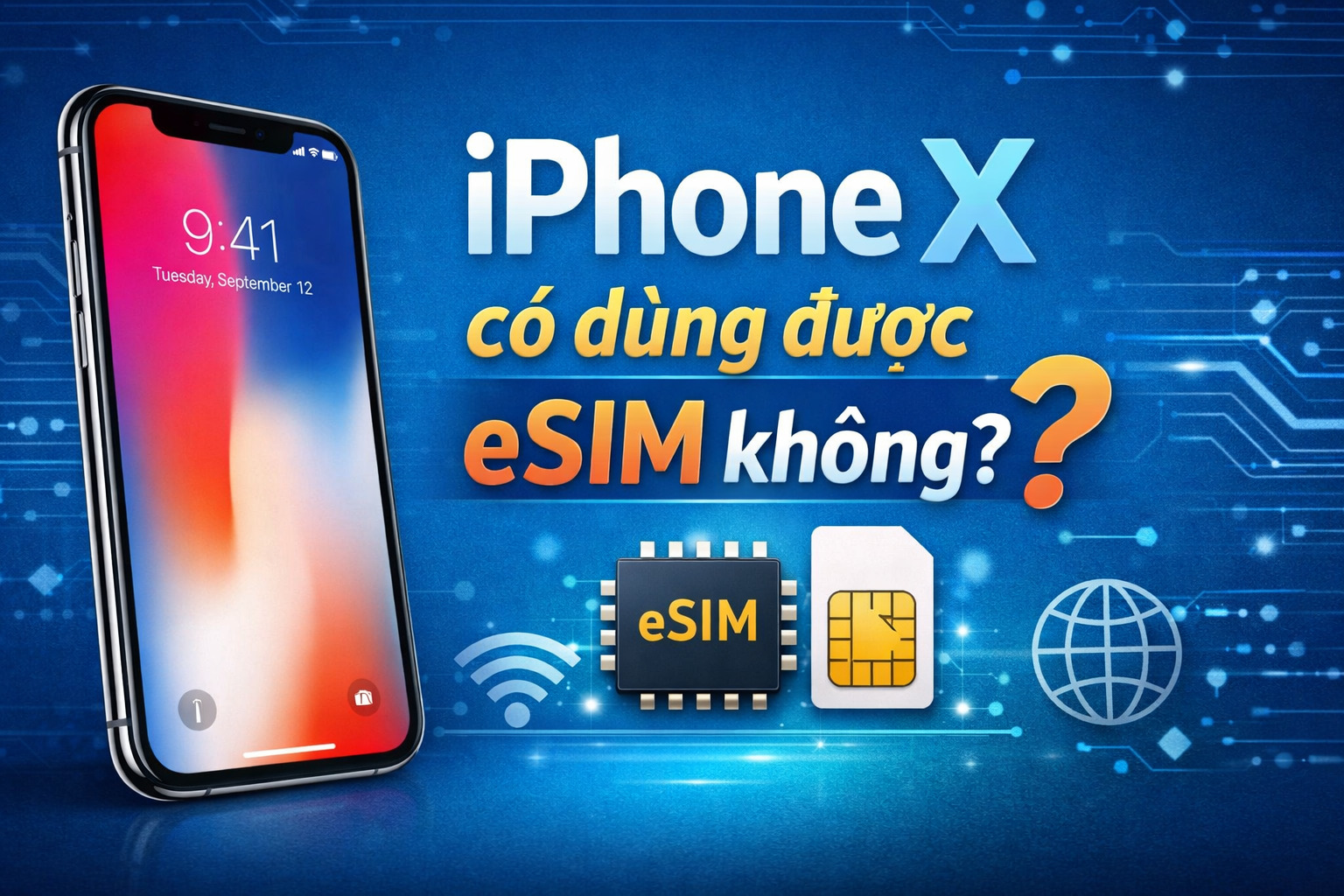
The exact answer is: the iPhone X does not support eSIM, and the device can only use a single physical 1 nanoSIM.
The reason lies in the phone’s hardware. The iPhone X is not equipped with an eSIM chip, so users cannot add an electronic data plan or scan a QR code to activate eSIM like on newer iPhone models. This is a fixed factor from the manufacturer and cannot be changed by updating iOS or modifying the software.
When researching whether the iPhone X can use eSIM, you should also note that this device only has one physical SIM slot. This means:
- You cannot use two phone numbers at the same time on one device.
- You cannot take advantage of eSIM’s flexibility when switching carriers.
- It is not suitable if you want to use an international travel eSIM.
One easily confusing point is the naming of iPhone X and iPhone XS. In fact, Apple only began integrating eSIM starting with the iPhone XS series. Therefore, although the designs are quite similar, the two models are completely different in terms of SIM technology.
Why the iPhone X does not have eSIM
To understand why many people search for whether the iPhone X can use eSIM but receive the answer no, we need to look at the technology context and Apple’s product strategy when this device was launched.
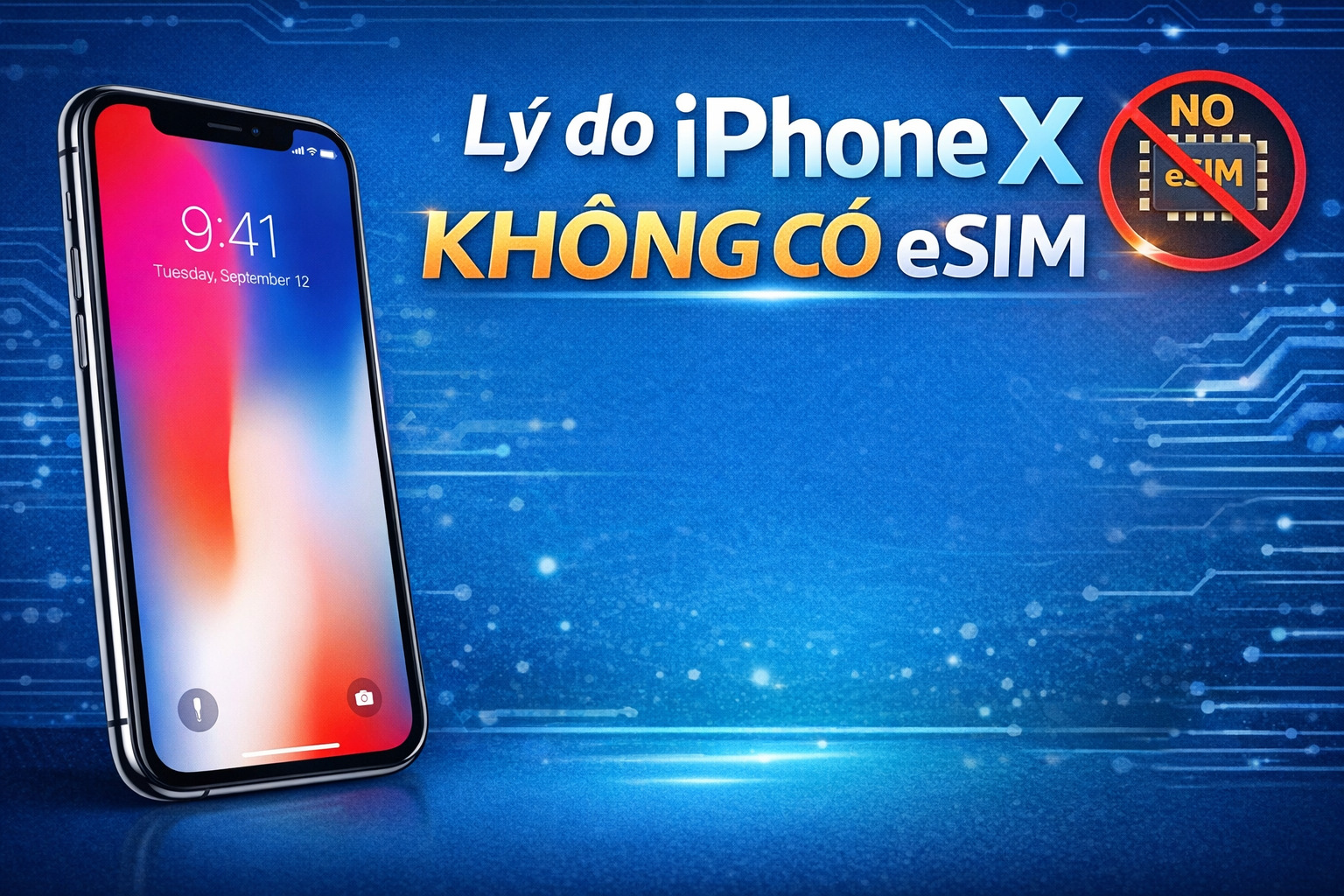
The iPhone X was released before eSIM became a trend
Apple introduced the iPhone X in 2017, at a time when eSIM was still very new and not yet widely deployed on smartphones. At that time, most carriers around the world still depended on physical SIM cards, so integrating eSIM was not yet commercially necessary.
Apple typically only adopts technology once the ecosystem is mature enough. Therefore, the iPhone X still used the traditional nanoSIM solution to ensure stability and global compatibility.
Apple only started integrating eSIM from the iPhone XS
It was not until 2018, with the launch of the iPhone XS, iPhone XS Max, and iPhone XR, that Apple officially brought eSIM into its products. This was an important transition, opening up the ability to use two phone numbers on one device (dual SIM: 1 nanoSIM + 1 eSIM).
Therefore, when users ask whether the iPhone X can use eSIM, it is important to understand that this device belongs to an earlier generation and was not equipped with this technology from the start.
Hardware limitations cannot be changed
One of the most important factors is that the iPhone X does not have an eSIM chip inside the motherboard. eSIM is not only a software feature but also requires specialized hardware to store and manage subscriber information.
Therefore:
- eSIM cannot be activated by an iOS update
- There is no way to “modify” or convert from nanoSIM to eSIM
- Any advertised solution claiming eSIM support on the iPhone X is not trustworthy
Carrier infrastructure at the time was not widely supported
In addition to the device factor, in 2017, carriers’ eSIM infrastructure was also not yet widespread. Even if Apple had wanted to integrate it earlier, the user experience would still have been limited due to the lack of carrier support in many countries.
Simple guide to checking whether a phone supports eSIM at SimPM
If you are not sure whether your device supports eSIM, or want to check other models like Xiaomi, Samsung, and more, you can quickly and accurately look it up on the SimPM website by following these steps:
- Step 1: Visit the SimPM website
Open your browser and go to the official website of SimPM. This is a platform that provides updated information about eSIM-supported devices, ensuring accuracy and reliability.
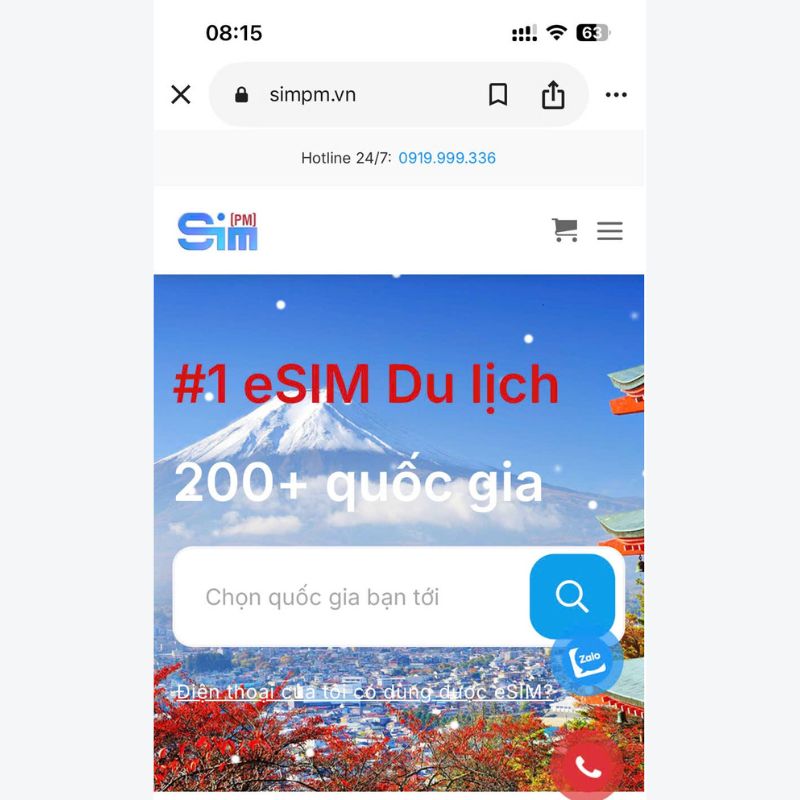
- Step 2: Select “Guides” in the menu bar
On the homepage interface, look at the top menu bar and choose Guides. Then continue by selecting Supported Devices to access the list of eSIM-compatible models. - Step 3: Use the search bar
On the displayed page, you will see a search bar. Enter the phone model name you are using or planning to buy (for example: iPhone 13, Xiaomi 14…). - Step 4: View the results returned by the system: After entering the information, the system will display the corresponding results, letting you know whether your device can use eSIM.
See also: Does the iPhone 8 Plus have eSIM? Quick guide to checking iPhone
Things to keep in mind when using eSIM on iPhone
Before deciding to use eSIM, especially if you are researching whether the iPhone X can use eSIM and considering upgrading your device, you need to understand the important points below to ensure effective use and avoid issues.
- Not every iPhone supports eSIM: Not every iPhone model supports eSIM. As mentioned when answering whether the iPhone X can use eSIM, only from the iPhone XS onward did Apple integrate this technology. Therefore, checking your device before buy eSIM is mandatory.
- Depends on the carrier and usage region: eSIM only works when the carrier supports it. In Vietnam, major carriers such as Viettel, Vinaphone, and Mobifone have deployed eSIM, but in some countries the level of support may differ. If you use a travel eSIM, you should choose a reputable provider to ensure stable connectivity.
- An internet connection is required to activate eSIM: The eSIM installation process requires scanning a QR code and a network connection. Therefore, you should prepare WiFi or mobile data in advance to avoid interruptions during activation.
- eSIM usage limits on each device: iPhone can store multiple eSIMs but can only use one or two eSIMs at the same time depending on the model. This is something to keep in mind if you need multiple numbers for work or personal communication.
- Cannot be removed like a physical SIM: Unlike nanoSIM, eSIM is built into the device and cannot be removed. When changing devices, you need to reinstall the eSIM or follow the carrier’s transfer instructions.
- Check compatibility when going abroad: With a travel eSIM, you should carefully check the coverage area, bands, and usage policy. Some eSIM plans only work within a certain region, not worldwide.
- Keep your eSIM activation information: After purchasing an eSIM, you should save the QR code or activation information. This is very important when you need to reinstall the device or move to another device, helping you avoid wasting time contacting the provider again.
See also: A simple guide to using eSIM on iPhone 14 for beginners
Should you upgrade from the iPhone X to use eSIM?
Upgrading from the iPhone X to use eSIM is not always necessary; it depends directly on your real usage needs. From a technical perspective on SIM, eSIM, and user behavior, here is a detailed analysis to help you make the right decision.
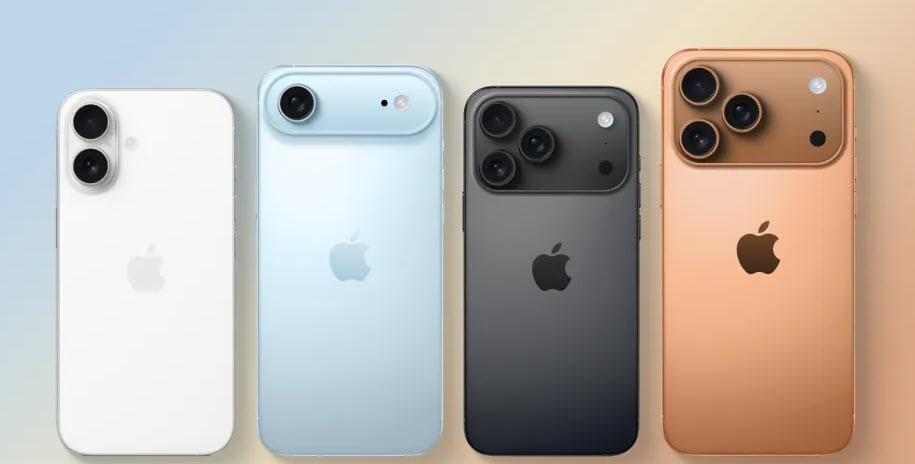
- For people who travel frequently or go on international business trips: This is a group that should clearly consider upgrading. eSIM lets you buy and activate a data plan right in Vietnam, without having to remove or insert SIM cards or find a store abroad. This not only saves time but also reduces the risk of losing your primary SIM.
- For people who need two phone numbers: If you are using two SIMs for work and personal use, switching to an iPhone that supports eSIM will make management easier. You can use 1 nanoSIM and 1 eSIM on the same device, without needing to carry two phones like when using the iPhone X.
- For people who need flexible network switching: eSIM allows you to change carriers quickly without a physical SIM. This is especially useful when you want to try a new plan, optimize costs, or change based on your usage region.
- For basic users with little need to travel: If you only use one phone number for calls, texts, and regular data, the iPhone X still performs well. In this case, upgrading just to use eSIM is not really necessary.
- In terms of cost and overall performance: In addition to eSIM, newer iPhone models also bring many improvements such as better battery life, upgraded cameras, and more stable performance. Therefore, if you are planning to change phones in the near future, choosing an iPhone that supports eSIM will be a reasonable and long-term option.
In short, if you are wondering whether the iPhone X can use eSIM, the answer is no, and this is a hardware limitation that cannot be changed. If you need eSIM for travel, work, or more flexible communication, upgrading your device is worth considering. To ensure stable connectivity when going abroad, you can choose an international travel eSIM at SimPM with many flexible plans and fast support. Contact Hotline 24/7: 0919.999.936 for detailed advice and to choose the most suitable eSIM plan.