What Do You Need to Prepare for a Trip to Hong Kong? An A-Z Checklist for You

Hong Kong is an attractive destination with its modern pace of life, shopping paradise, and countless famous dishes that make many travelers want to experience it at least once. However, to make the trip smooth, preparing in advance is extremely important. So what do you need to prepare for a trip to Hong Kong? From documents and internet access to travel eSIM and how to get around and stay, we will help you with a more complete and practical checklist for your upcoming trip.
What do you need to prepare for a trip to Hong Kong?
If this is your first time in Hong Kong, preparing carefully before your trip will make the journey much smoother. Hong Kong is a modern destination with convenient transportation, many shopping districts, rich cuisine, and it is quite easy to travel independently.
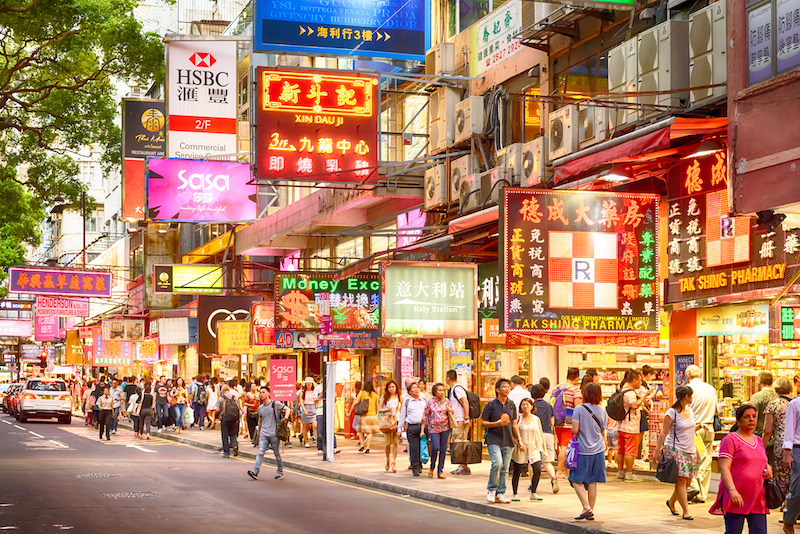
However, it is also a place with a high cost of living, hotels are often small, travel itineraries can be busy, and entry requirements need to be checked carefully. Therefore, the question “What do you need to prepare for a trip to Hong Kong?” is not only about passports or plane tickets, but also includes money, internet, clothing, transportation, accommodation, and even small items for everyday travel needs.
Preparing documents before traveling to Hong Kong
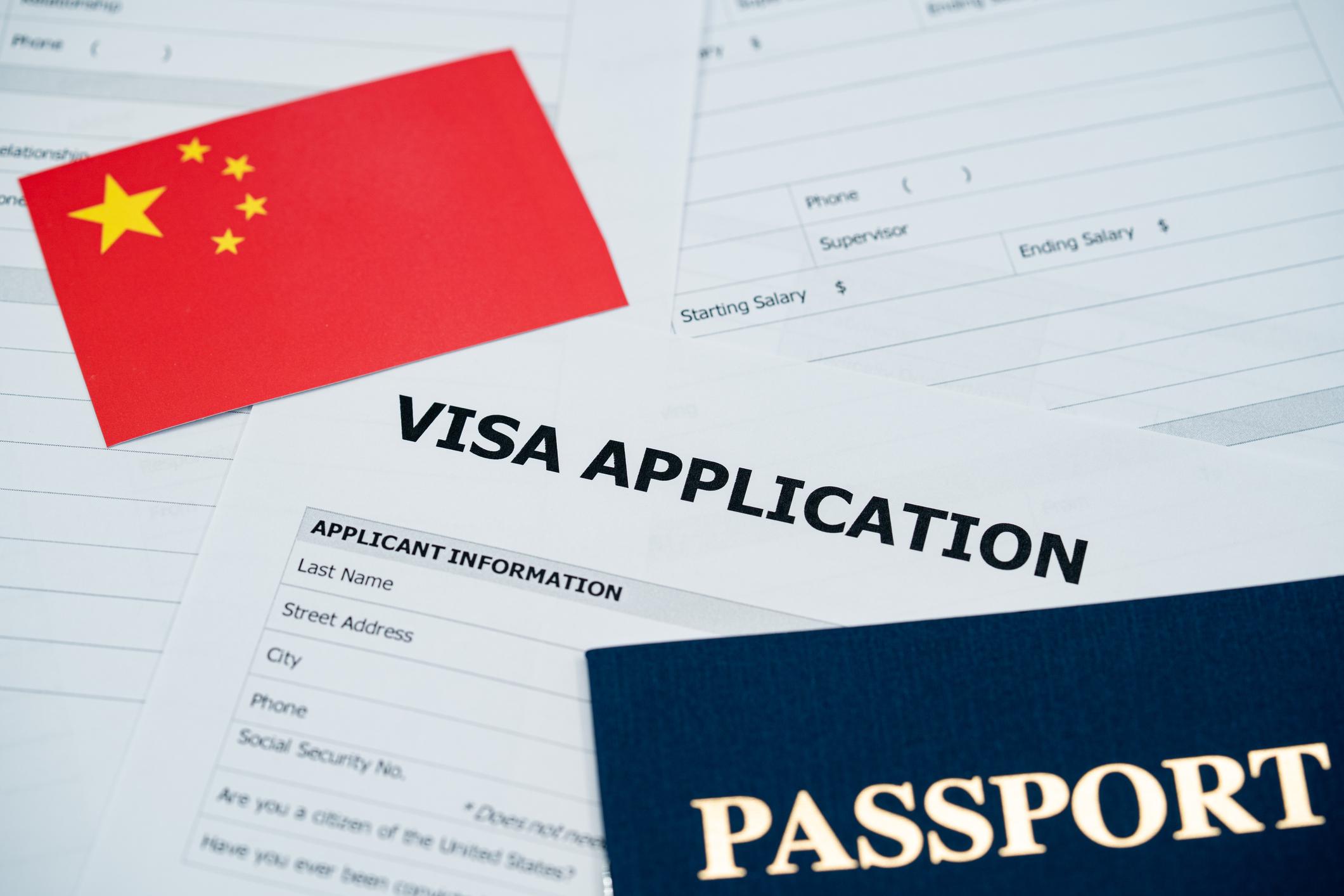
Documents are the first thing to check because if anything is missing or incorrect, your trip can be affected right from the airport. Before departure day, review all documents against a separate checklist; do not just keep them on your phone.
First of all, your passport must be valid for at least 6 months from the date of entry. The passport should also have blank pages left, and must not be torn, have peeling edges, blurred information, or chip damage if it is an e-passport. If your passport is about to expire, renew it before the trip instead of waiting until close to departure.
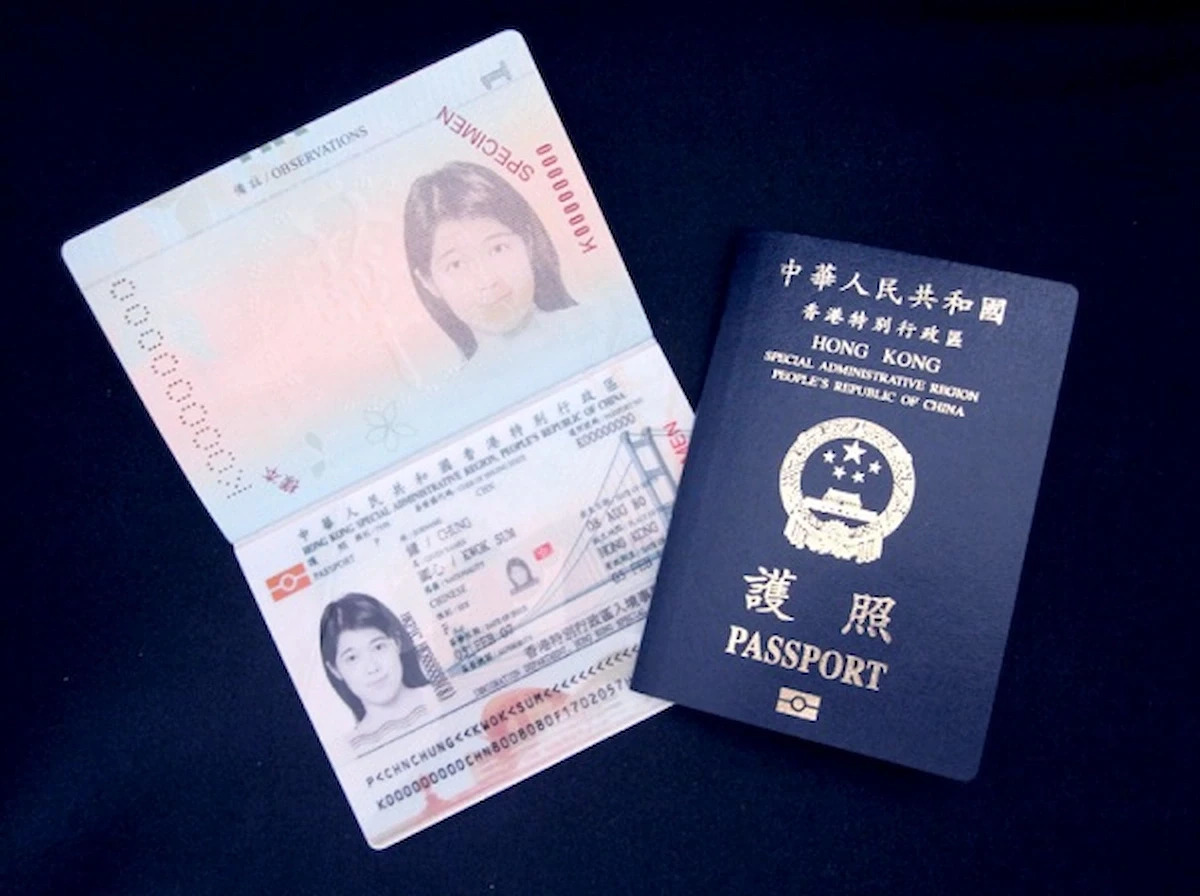
Next is a visa or other valid entry document. For Vietnamese travelers, be sure to check Hong Kong visa requirements at each point in time before submitting your application and booking services. When applying for a visa, prepare complete information about your itinerary, job, finances, flight tickets, accommodation, and trip purpose. First-time applicants should submit early so there is time to provide additional documents if needed.
In addition to your passport and visa, you should also prepare:
- A round-trip ticket or a ticket departing Hong Kong.
- Hotel booking confirmation.
- A basic day-by-day travel itinerary.
- Travel insurance.
- Copies of your passport, visa, flight ticket, and hotel booking.
- Photos of your documents saved on your phone and in email.
One practical tip is to prepare a small hard-copy set of important documents in your carry-on bag. If your phone runs out of battery, loses signal, or cannot open files, printed copies will make it faster to present your information.
Preparing money and payment methods
When researching what to prepare for a trip to Hong Kong, money is something you should not overlook because costs in Hong Kong are usually much higher than in many other Asian destinations. The currency used is the Hong Kong dollar. Before the trip, you should exchange a reasonable amount of cash for small expenses such as meals at local eateries, shopping at markets, topping up transport cards, baggage storage, or spending right after arriving at the airport.
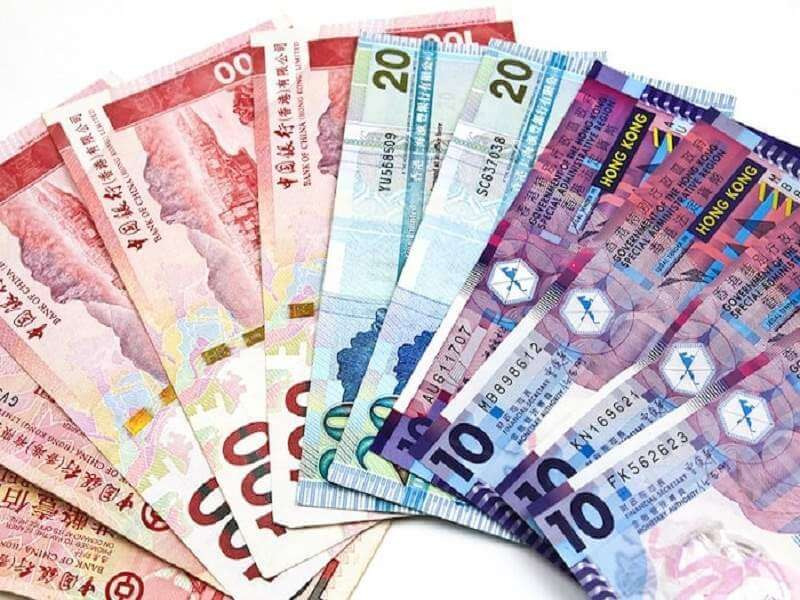
Do not carry your entire budget in cash. A safer way is to combine cash with an international payment card. Many restaurants, hotels, shopping malls, and convenience stores in Hong Kong accept cards, but some small eateries, food stalls, night markets, or traditional shops may still prefer cash.
Before you go, you should prepare:
- Some HKD cash for quick spending.
- A Visa or Mastercard with international payments enabled.
- A backup card in case your main card has issues.
- A banking app to monitor transactions.
- Your bank’s hotline number in case you need to block your card urgently.
For independent travelers, it is a good idea to divide your budget into clear categories: flights, hotels, food, transportation, sightseeing tickets, shopping, and a contingency fund. If you are traveling in a group, agree in advance on how to split shared costs such as hotel rooms, taxis, attraction tickets, or meals to avoid wasting time calculating during the trip.
Preparing internet and communication when arriving in Hong Kong
Internet is almost a “must-have” item when traveling independently in Hong Kong. It helps you check maps, find MTR routes, translate languages, book rides, contact hotels, find restaurants, check opening hours of attractions, and handle unexpected situations.
Travelers can use public WiFi, buy a physical SIM, or use a travel eSIM. However, public WiFi is not always stable and can be inconvenient when you need to check directions continuously. A physical SIM requires removing and inserting SIM cards, finding a place to buy one, and sometimes takes time to register or activate. For those who want to simplify the trip, an eSIM is a more convenient option if your phone supports it.
When using Hong Kong travel eSIM, you can buy it in advance in Vietnam and activate it when you arrive. This way, you keep your main SIM, do not have to worry about losing a physical SIM, and can have data right after landing. For first-time visitors, this is a big advantage because airports, train stations, hotels, and attractions all need internet for quick searches.
Before Buy eSIM, you need to check:
- Does your phone support eSIM?
- Is the device network-locked?
- Does the data plan match the number of days of your trip?
- Do the speed and data allowance meet your needs for maps, social media, and ride-hailing?
- Does the eSIM plan support personal hotspot sharing?
- How to install it and when to activate the plan.
If you need a compact solution, you can choose a Hong Kong travel eSIM at SimPM. After purchase, users receive a code by email, install it easily following the instructions, and activate it when they arrive in Hong Kong. This is a suitable option for independent travelers, people who need to stay in touch regularly, or anyone who does not want to waste time looking for a SIM at the airport.
Prepare suitable clothing for the weather
Clothing should be prepared according to the season and your travel schedule. Hong Kong is a destination where you will walk a lot, go up and down train stations, visit streets, markets, shopping malls, and outdoor attractions. So looking good is not enough; what matters is comfort, lightness, and suitability for the weather.
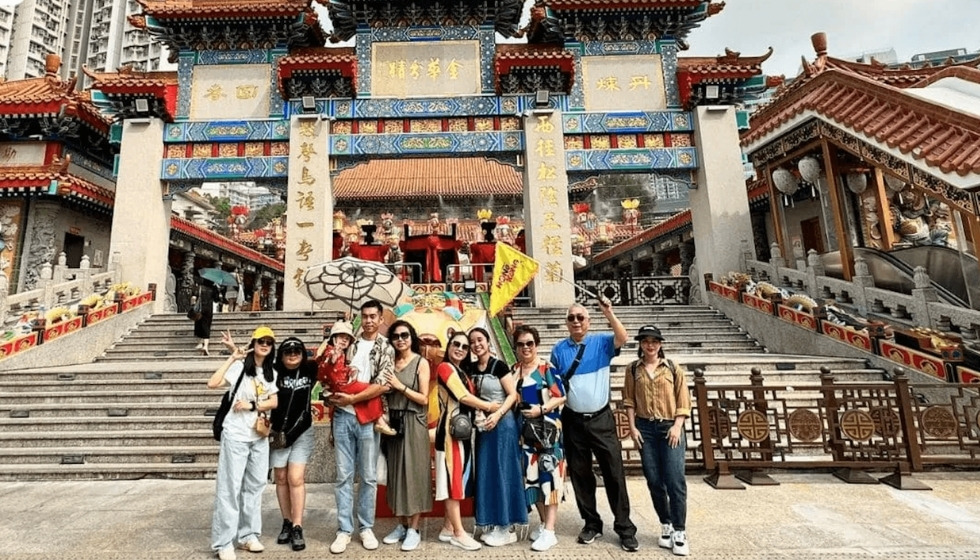
If you are going in spring, the weather is usually pleasant but can be humid, so bring a light jacket, a thin long-sleeved top, and easy-to-walk-in shoes. If you are going in summer, the weather is hot, humid, and may be rainy, so prioritize breathable, moisture-wicking clothes, a folding umbrella, a thin raincoat, and slip-resistant shoes. If you are going in autumn, this is a beautiful time to visit, and you can wear light clothing and a thin jacket for the evening. If you are going in winter, temperatures can be lower in the early morning and at night, so prepare a warm coat, a thin scarf, or a light sweater.
Items you should have in your suitcase:
- Sneakers or comfortable walking shoes.
- A light jacket or warm coat depending on the season.
- A small folding umbrella.
- An anti-theft crossbody bag.
- Easy-to-match, wrinkle-resistant clothing.
- Smart casual clothes if you are going to restaurants, events, or upscale areas.
- Sunglasses, a hat, and sunscreen if traveling in sunny weather.
One small note is not to bring too many items because hotel rooms in Hong Kong are often not very spacious. A compact suitcase will make it easier to get around by MTR, escalators, and crowded streets.
Prepare transportation in Hong Kong
Hong Kong has a very convenient public transportation system, especially the MTR. If you know how to use the MTR, buses, ferries, and transport payment cards, you can travel to most famous attractions on your own without relying too much on taxis.
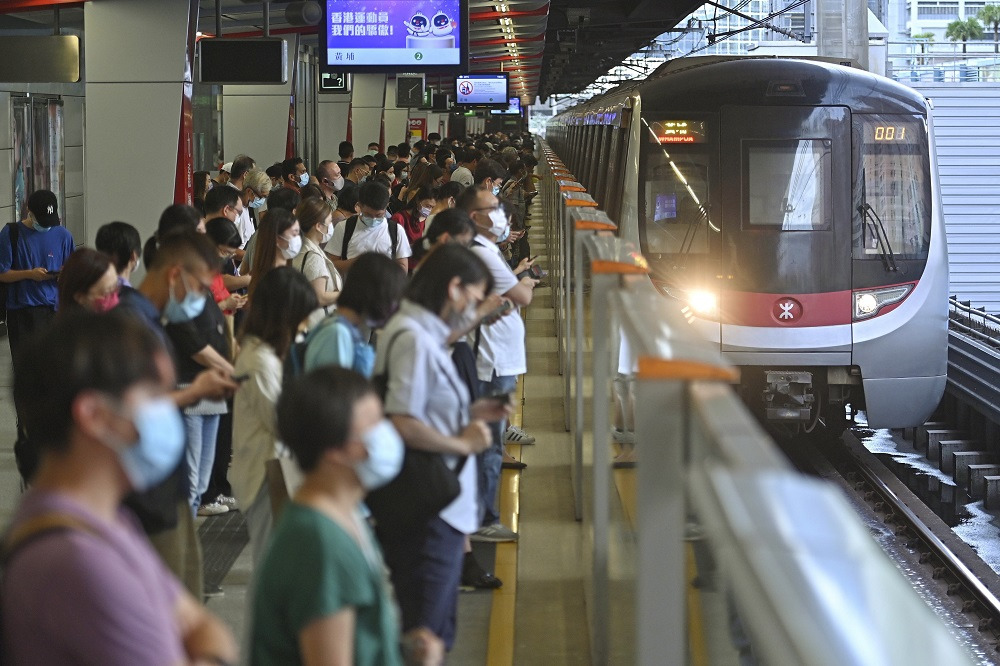
Before your trip, you should learn how to get from the airport to your hotel. Depending on where you are staying, you can choose Airport Express, airport buses, taxis, or a transfer service. If you want to save money, the airport bus is usually a reasonable choice. If you want speed and fewer transfers, Airport Express is more suitable. If you are traveling in a large group or carrying a lot of luggage, taxis or pre-booked cars may be more convenient.
You should prepare in advance:
- MTR map.
- A map app on your phone.
- The hotel address in English.
- How to buy or use an Octopus card.
- The route from the airport to the hotel.
- A list of stations near the main attractions.
The Octopus card is very useful because it can be used for many public transport options and some convenience stores. For first-time visitors, having this card ready reduces the time spent buying single tickets, especially when you need to travel around a lot in one day.
Prepare your hotel and accommodation area
Accommodation directly affects your travel experience. Hong Kong has many hotels, hostels, serviced apartments, and small guesthouses, but room sizes are often quite limited. When booking, do not look only at the price; you should also carefully check the location, reviews, room size, cancellation policy, and distance to the MTR station.
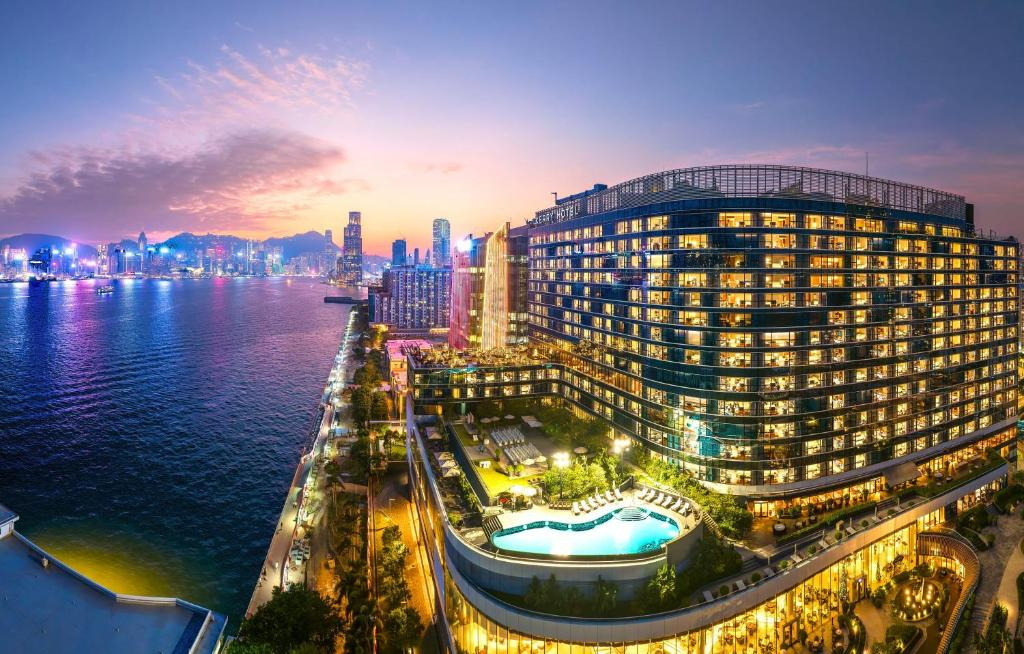
Some areas are popular with many travelers:
- Tsim Sha Tsui: convenient for viewing Victoria Harbour, shopping, dining, and getting around.
- Mong Kok: suitable for those who like night markets, local atmosphere, and street food.
- Central: suitable for those who like modern areas, fast transportation, and being close to many famous spots.
- Causeway Bay: suitable for those who like shopping, restaurants, and a lively pace of life.
If this is your first time, prioritize hotels near an MTR station rather than cheaper hotels far from the center. The walking distance from the hotel to the train station should be reasonable, especially if you are traveling with older adults, children, or a lot of luggage.
Before booking, check:
- Does the room have a window?
- How many square meters is the room?
- Is there an elevator?
- Are there cleaning fees, deposits, or taxes and service charges?
- Check-in and check-out times.
- Is it near an MTR station, bus stop, or dining area?
Prepare a reasonable sightseeing itinerary
Hong Kong is not very large, but it has many attractions, shopping areas, and experiences. If your itinerary is too packed, you will easily feel tired because of all the walking and constant moving around. For first-time visitors, it is best to group activities by area to save time.
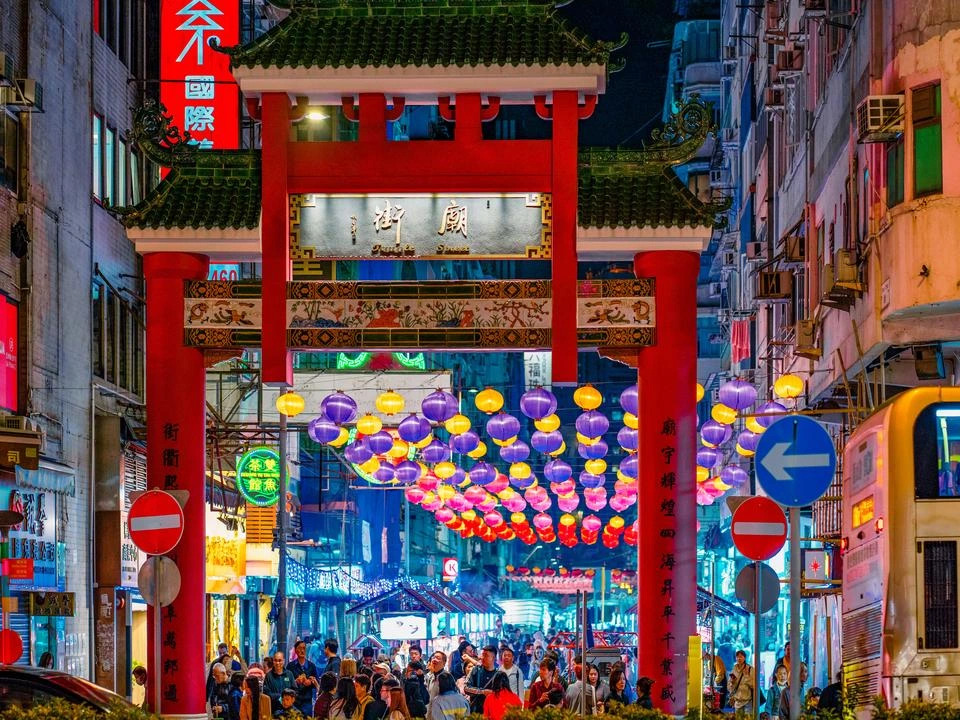
For example, you can group nearby places into the same day, such as Tsim Sha Tsui, Victoria Harbour, Avenue of Stars, and the shopping area around Nathan Road. Another day could be for Central, The Peak, Mid-Levels Escalator, and Lan Kwai Fong. If you are going to Disneyland or Ngong Ping 360, you should set aside almost a full day because travel and sightseeing take quite a long time.
A good itinerary should include:
- The main place to visit that day.
- Optional places that can be skipped if you are tired.
- Break time during the day.
- Restaurants near the sightseeing area.
- A backup plan if it rains.
- Travel time from the hotel to the destination.
Do not pack too many places just to “fit everything in.” Hong Kong is best enjoyed when you have time to walk, observe the city’s rhythm, try local food, and soak up the atmosphere.
Prepare personal items and necessary devices
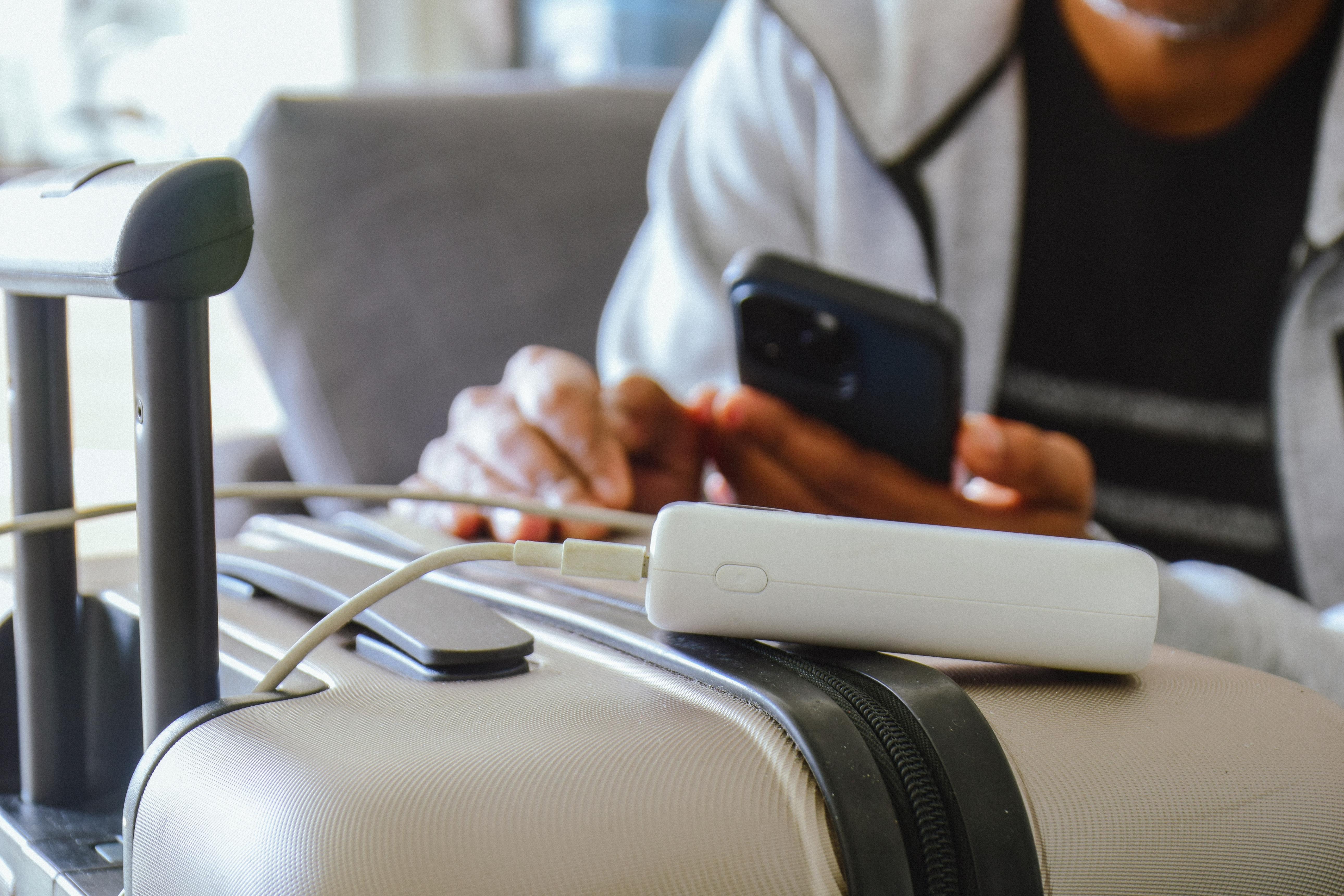
Many small items may not be expensive, but forgetting them can be quite inconvenient. In particular, Hong Kong uses the UK-style plug, so Vietnamese travelers usually need a power adapter. If you bring multiple devices such as a phone, camera, power bank, and headphones, prepare an extension or a multi-port charger as well.
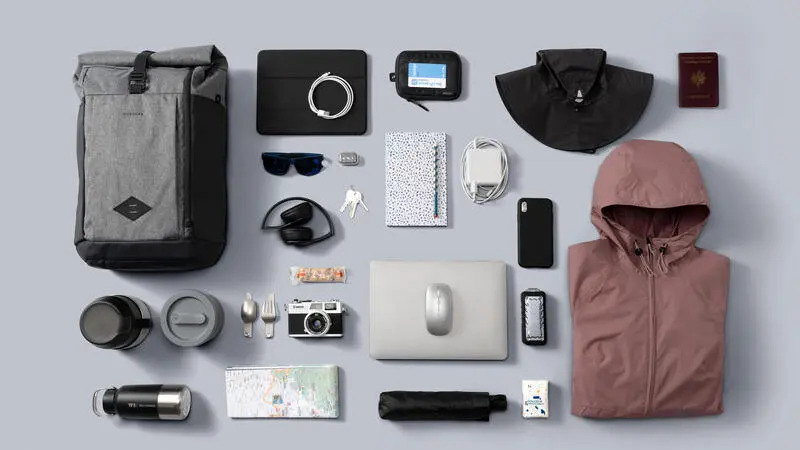
Items to bring include:
- Phone charger.
- Power bank.
- Plug adapter.
- Headphones.
- Document pouch.
- Personal medication.
- Eucalyptus oil or motion sickness medicine if needed.
- Face mask.
- Tissues, wet wipes.
- Personal water bottle.
- A foldable bag for shopping items.
If you have underlying health conditions or need to take medication regularly, you should bring your prescription medicine and keep it in your carry-on luggage. Do not put all medication in checked baggage because it may be inconvenient if you need to take it during the flight or if your luggage arrives late.
Prepare basic knowledge of local culture and regulations
An important part of the checklist for what to prepare for a trip to Hong Kong is understanding some basic etiquette in advance. Hong Kong is a crowded city with a fast pace of life and a high sense of public order. Travelers should queue, keep order on public transport, not rush when boarding trains, avoid speaking too loudly, and pay attention to signs prohibiting smoking and eating.
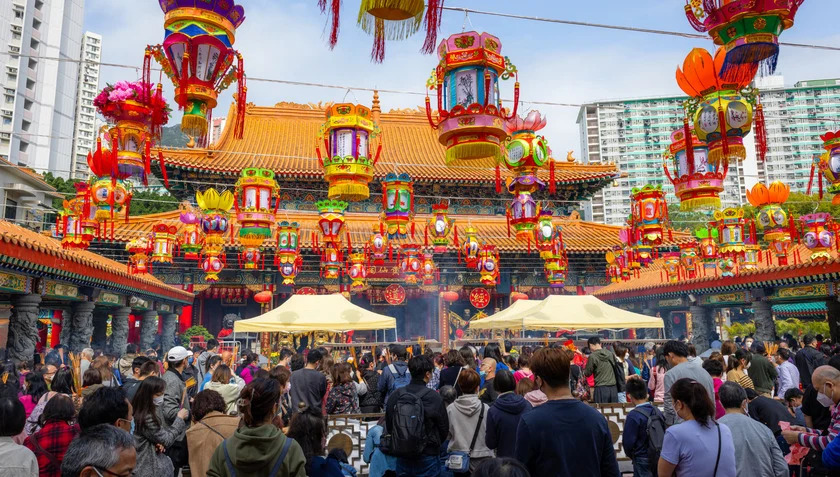
When taking the MTR, let passengers exit first before boarding. When using escalators, stand on one side to leave a lane for those who need to move quickly. In crowded areas such as night markets, piers, and shopping districts, keep your bag in front of you and avoid taking out your wallet, passport, or phone for too long in the crowd.
Also, keep emergency phone numbers, your hotel address, and contact information for family members. Save this information both on your phone and on a small piece of paper in case your phone is lost or runs out of battery.
See also: Which country is Hong Kong in? Information you need to know when traveling
Important notes when traveling to Hong Kong
Besides learning what to prepare for a trip to Hong Kong, travelers should also know a few practical tips in advance to make the trip more convenient, safer, and less troublesome.
- Prepare your internet before flying, especially if you are traveling independently. If your phone supports eSIM, install a Hong Kong travel eSIM in advance so you can have data as soon as you land.
- Exchange a little HKD cash for small eateries, night markets, or quick expenses. Do not carry too much cash; combine it with an international payment card.
- Download Google Maps and the MTR map in advance, and save your hotel address in English so it is easy to check directions, especially when traveling from the airport to your accommodation.
- Prioritize hotels near an MTR station because Hong Kong involves a lot of walking. A convenient location will save you time and transportation costs.
- Do not eat or drink on the MTR, do not rush when boarding, and queue properly in public places.
- Wear comfortable walking shoes because a Hong Kong travel itinerary usually includes a lot of walking, going up and down train stations, and moving between shopping districts.
- Bring a power bank, plug adapter, and copies of important documents in case your phone runs out of battery, loses signal, or you need to present information quickly.
Frequently asked questions when traveling to Hong Kong
Below are some common questions that help first-time travelers prepare for a Hong Kong trip more easily, especially regarding documents, costs, travel timing, and internet.
Is it difficult to travel independently in Hong Kong?

Not too difficult. Hong Kong has a modern public transportation system, many English signs, and is easy to navigate with Google Maps. As long as you prepare your documents, internet, and a basic itinerary, you can travel independently quite conveniently.
How much money do you need for Hong Kong?
Costs depend on flight time, hotel, and shopping needs. On average, a 4 day 3 night trip can range from about 15 – 25 million VND per person if traveling independently at a standard budget level.
What month is best to visit Hong Kong?
The best time is usually from 10 to 12. The weather is cool and less rainy then, making it ideal for walking, sightseeing around the city, and exploring shopping areas.
Is Hong Kong safe for tourists?
Hong Kong is quite safe for tourists. However, you should still keep your passport, wallet, and phone secure and be careful in crowded places such as night markets, train stations, or shopping areas.
Where should you stay in Hong Kong?
First-time visitors should prioritize areas near an MTR station such as Tsim Sha Tsui, Mong Kok, Central, or Causeway Bay. These areas are convenient for transportation and have many hotels, restaurants, and attractions.
Do you need to exchange cash for Hong Kong?
Yes. Although international payment cards are quite common, it is still a good idea to exchange some HKD for small eateries, night markets, transport card top-ups, or quick expenses.
How many days in Hong Kong is reasonable?
A 4 day 3 night or 5 day 4 night itinerary is quite suitable for first-time visitors. This amount of time is enough to see the highlights, shop, and enjoy the local cuisine without feeling too rushed.
In general, to answer the question “What do you need to prepare for a trip to Hong Kong?”, first-time travelers should carefully prepare their entry documents, cash, payment cards, travel itinerary, and especially a stable internet connection so they can easily check maps, book rides, and contact their hotel throughout the trip. If you need a convenient Hong Kong travel eSIM, with a fast code delivery by email and easy installation before departure, you can learn more about eSIMs at SimPM or contact the hotline 0919.999.936 for help choosing the right plan.
See more: Do You Need to Buy an eSIM for Hong Kong? The Most Convenient and Cost-Effective Internet Solution