Sydney Travel 2026: Visa, Costs, Itinerary for Vietnamese Travelers

Traveling to Sydney is a journey that brings you face to face with Australia’s most iconic sights: the Opera House shell glowing in the sunset, the steady sound of waves at Bondi Beach every morning, and the orange-and-gold ferries gliding across Sydney Harbour like a movie scene. For Vietnamese travelers visiting this city for the first time, preparing your visa, budgeting properly, and planning a sensible itinerary will make the trip much smoother. This guide brings together the key information you need about visa 600, a realistic budget of around 70-100 million VND for a 7 day 6 night trip, a day-by-day itinerary, and standout experiences such as the Blue Mountains, Bridge Climb, and the Vietnamese food area in Cabramatta.
Sydney Travel Visa for Vietnamese Travelers
Australia does not issue visas by city. Vietnamese travelers going to Sydney, Melbourne, Brisbane, or any other destination in Australia all use the same 600 Tourist stream visa. According to the Australian Department of Home Affairs on immi.homeaffairs.gov.au, the current fee when applying from outside Australia is 200 AUD, equivalent to about 3,3 million VND based on the exchange rate at the beginning of 5 2026.
This fee is fixed and non-refundable whether your application is approved or refused, so applicants should prepare carefully from the start. In fact, Sydney is one of the destinations with the highest number of visa applications, so during peak season, processing times can be longer than the usual range of 2 to 4 weeks.
Documents required for visa 600
The basic visa 600 application file for a Sydney trip usually includes the following documents:
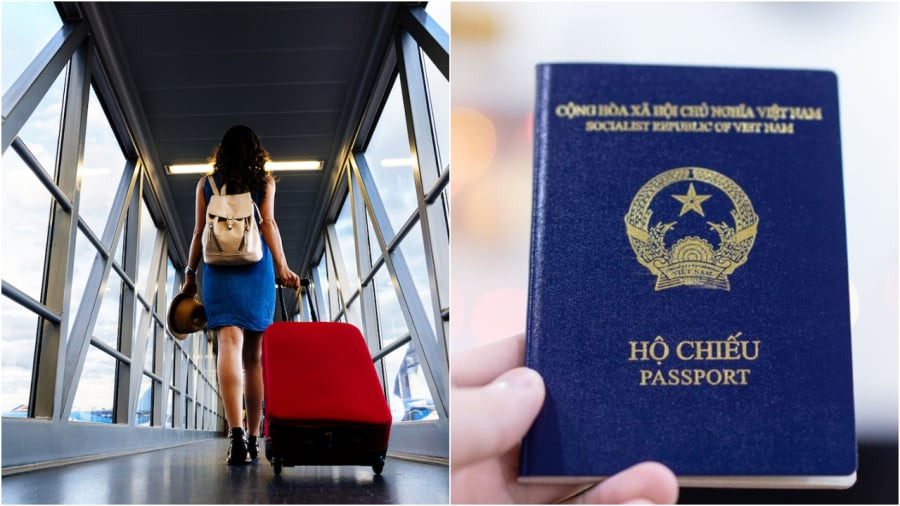
- Passport valid for at least 6 months and with blank pages remaining.
- Passport photo 3,5 × 4,5 cm, white background, taken within the last 6 months.
- Bank statements for the last 6 months, along with a savings book of about 150-250 million VND deposited for at least 3 to 6 months.
- Employment contract and salary slips for the last 3 months. If self-employed, you need to prepare a business license.
- Household registration book, notarized ID card/CCCD, and an English translation.
- Planned itinerary, flight booking, and hotel reservation in Sydney.
- Invitation letter from relatives in Australia, if any.
The financial proof section should be prepared clearly, consistently, and convincingly. The more complete the file and the more reasonable the source of funds, the higher the chance of a favorable assessment. For how to present bank statements, savings books, and related documents to avoid being judged as having “weak finances,” you can also refer to in-depth articles on Australian travel visa documents.
Application process and processing time
Vietnamese travelers can apply for an Australian visa online via the Australian Department of Home Affairs’ ImmiAccount or submit their application at VFS Global application centers in Ho Chi Minh City and Hanoi. The usual processing time is typically from 4 to 12 weeks, but during peak season from month 9 to month 1 of the following year, it can extend to 16 weeks.
According to experience shared by customers contacting the SIMPM hotline, travelers going to Sydney should submit their application about 3 to 4 months before departure to have more flexibility with their schedule. If the trip includes a relative in Australia sponsoring you or sending an invitation, the application must include a standard Letter of Invitation along with documents proving the relationship, residence information, and the inviter’s ability to support you.
When is the best time to visit Sydney?
Sydney is in the Southern Hemisphere, so its seasons are opposite to Vietnam’s. According to Tourism Australia, the two ideal times to visit Sydney are spring from month 9 to month 11 and autumn from month 3 to month 5. This is when the weather is pleasant, the light is beautiful, and it is suitable for city sightseeing, beach trips, and day trips alike.
Spring from month 9 to month 11
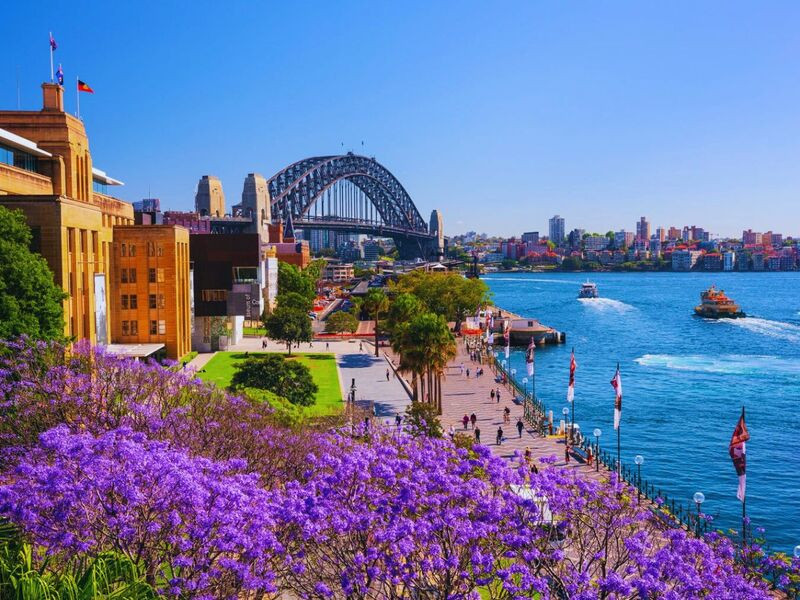
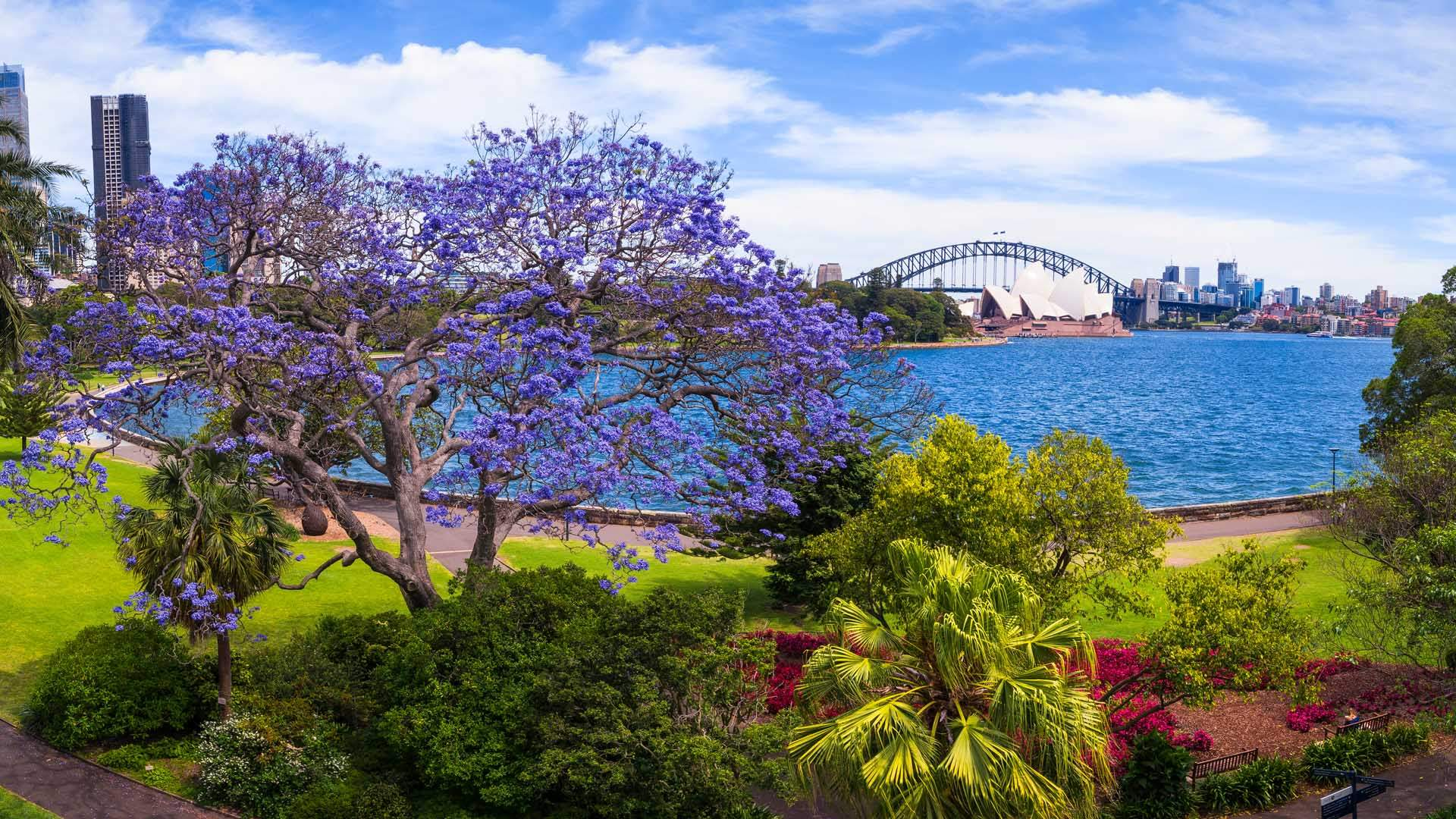
Spring is considered the best time to visit Sydney. Temperatures range around 15-25°C, the sky is clear, the breeze is light, and it is not too hot. This is also the jacaranda bloom season, covering many streets in the North Shore area with purple blossoms, especially beautiful from the last week of month 10 to the first week of month 11.
McDougall Street in Kirribilli is known as one of Sydney’s most beautiful jacaranda streets. On weekends, North Sydney Council also closes the road to cars from 7h to 19h to make space for visitors to walk and take photos. For Vietnamese travelers, spring is a favorite choice thanks to the warm weather, low rainfall, and hotel prices that are still more comfortable than in the peak summer season.
Summer from month 12 to month 2
Summer is Sydney’s peak travel season, with temperatures commonly around 23-27°C and sometimes reaching 35°C during heatwaves. Bondi Beach is packed with people swimming, surfing, and enjoying Australia’s signature summer atmosphere.
In particular, New Year’s Eve on 31 month 12 is Sydney’s busiest time of the year. Around 1,5 million people usually gather around the Harbour Bridge area to watch the Sydney NYE Fireworks, one of the most famous New Year’s fireworks displays in the Southern Hemisphere. If you plan to visit Sydney for Christmas or New Year, you should book your hotel at least 5 months in advance, especially if you want to stay in the CBD or Darling Harbour, because room rates can double compared with normal days.
Autumn from month 3 to month 5
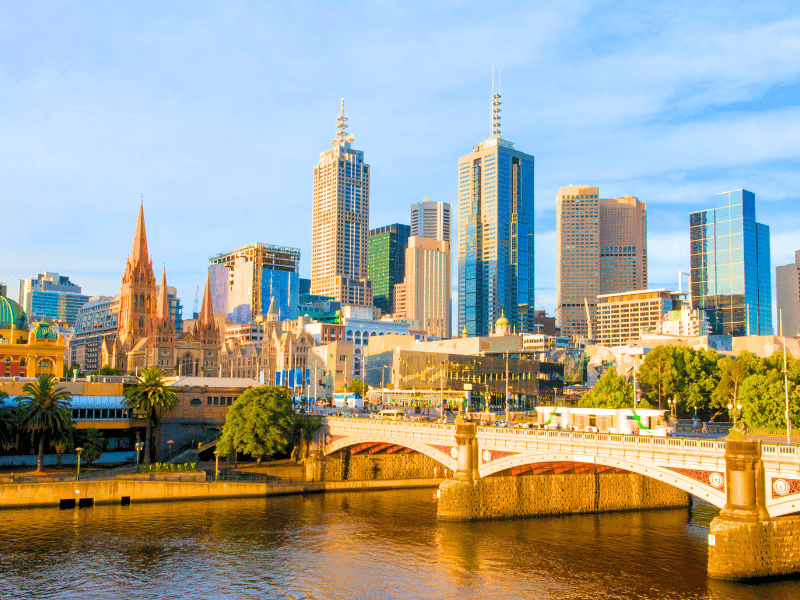
Autumn is the best balance of weather, cost, and visitor density. Temperatures range around 15-23°C, the sky is clear, the air is pleasant, and golden leaves begin to appear in the Royal Botanic Garden.
This is also the final period of Sydney Mardi Gras, taking place from day 13 month 2 to day 3 month 3 2026, with the main parade on Oxford Street on day 28 month 2. This is one of Sydney’s biggest cultural events, attracting many international visitors and potentially pushing hotel prices around Oxford Street up by about 40-60%.
Winter from month 6 to month 8
Sydney’s winter has temperatures around 8-17°C, with occasional light rain, but hotel prices are usually 30-40% lower than in summer. If swimming at the beach is not your top priority, this is a worthwhile time to consider for saving money.
The biggest highlight of winter is Vivid Sydney 2026, held from day 22 month 5 to day 13 month 6. This light festival lasts 23 nights, covering Circular Quay, Darling Harbour, Sydney Harbour, and even the exterior of the Opera House with light shows, drones, and music. For anyone wanting to see Sydney at night in a more dazzling form, winter is a great choice.
Sydney travel costs for 7 days 6 nights
Sydney is one of the most expensive cities in Australia, and many Vietnamese travelers later say the actual costs were higher than they initially expected. According to data from the SIMPM hotline in the first 4 months of 2026, the cost of a self-guided Sydney trip for 7 days 6 nights ranges from about 55-115 million VND per person, with 70-80 million VND being the most common range.
Compared with Melbourne, Sydney is usually about 5-10% more expensive. The main difference lies in hotel prices around the CBD, Darling Harbour, and signature experiences such as Bridge Climb. Still, if you book early, choose your accommodation area wisely, and make use of public transport, you can keep your budget fairly well under control.
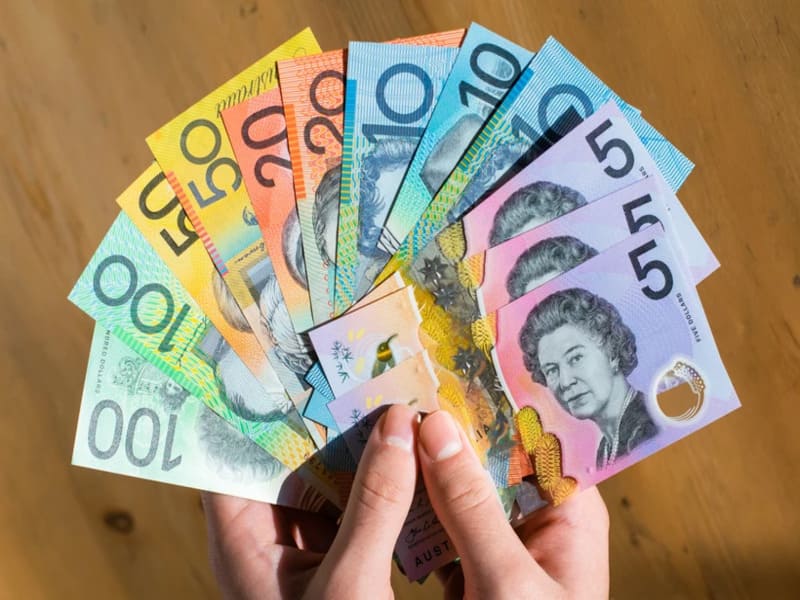
Total cost table by 3 budget levels
| Category | Budget | Standard | Premium |
|---|---|---|---|
| Round-trip flight SGN/HAN – SYD | 15-18 million | 18-22 million | 22-32 million |
| 600 visa and translation | 4-5 million | 4,5-6 million | 6-8 million |
| Hotel 6 nights | 14-22 million | 25-35 million | 40-60 million |
| Food and drinks 7 days | 4-5 million | 6-8 million | 10-15 million |
| Transport and Opal Card | 0,8-1,3 million | 1,3-2 million | 2-3 million |
| Day-trip tours and attraction tickets | 4-6 million | 6-10 million | 10-15 million |
| Shopping and contingency | 3-5 million | 5-8 million | 10-20 million |
| Total/person | About 52 million | About 76 million | About 115 million |
Actual bill for the 7 day 6 night trip
Mr. Nguyen Van Tuan, 35 years old, a software engineer in Hanoi, went to Sydney for 7 days 6 nights in month 4 of 2026 with a total cost of 78.000.000 VND. The table below keeps the original cost structure he shared via SIMPM:
- Vietnam Airlines flight VN773 SGN-SYD round trip: 19.500.000 VND.
- 600 visa package, including translation and service fee: 4.500.000 VND.
- Hyatt Regency Darling Harbour hotel 6 nights × 280 AUD: 27.700.000 VND.
- Opal Card and top-up 80 AUD: 1.320.000 VND.
- Blue Mountains tour booked via Klook: 2.475.000 VND.
- Bridge Climb Sydney, Twilight package: 5.200.000 VND.
- Opera House Guided Tour: 740.000 VND.
- Taronga Zoo and full-day ferry: 1.240.000 VND.
- Food and drinks 7 days × 65 AUD: 7.500.000 VND.
- SIMPM Australia eSIM 10 days: 580.000 VND.
- Shopping for UGG, Blackmores vitamins, and Tim Tams: 5.000.000 VND.
- Contingency: 645.000 VND.
How to save money on a Sydney trip
Flights should ideally be booked about 6 months in advance to save 15-25% compared with booking around 2 months before departure. For hotels, you can choose an apart-hotel in Surry Hills or North Sydney to save about 25-30% compared with the CBD, while still only spending about 5-10 minutes by train to reach the city center.
Opal Card is also a powerful money-saving tool. According to transportnsw.info, from month 7 2025, the daily cap for adults is 19,30 AUD on weekdays and 9,65 AUD on Fridays, Saturdays, and Sundays. Once you reach the daily cap, you can continue taking train, bus, ferry, or light rail without being charged extra. For Bridge Climb, the Twilight and Dawn packages are usually about 25-50 AUD per person cheaper than the Day package during peak hours.
Sydney travel itinerary for 7 days 6 nights
The itinerary below is based on Mr. Tuan’s trip, combining the city center, beaches, Sydney Harbour, and a Blue Mountains day trip. This is a suitable suggestion for first-time visitors to Sydney who want a balance of sightseeing, rest, and iconic experiences.
Day 1: Arrive in Sydney, visit the Opera House
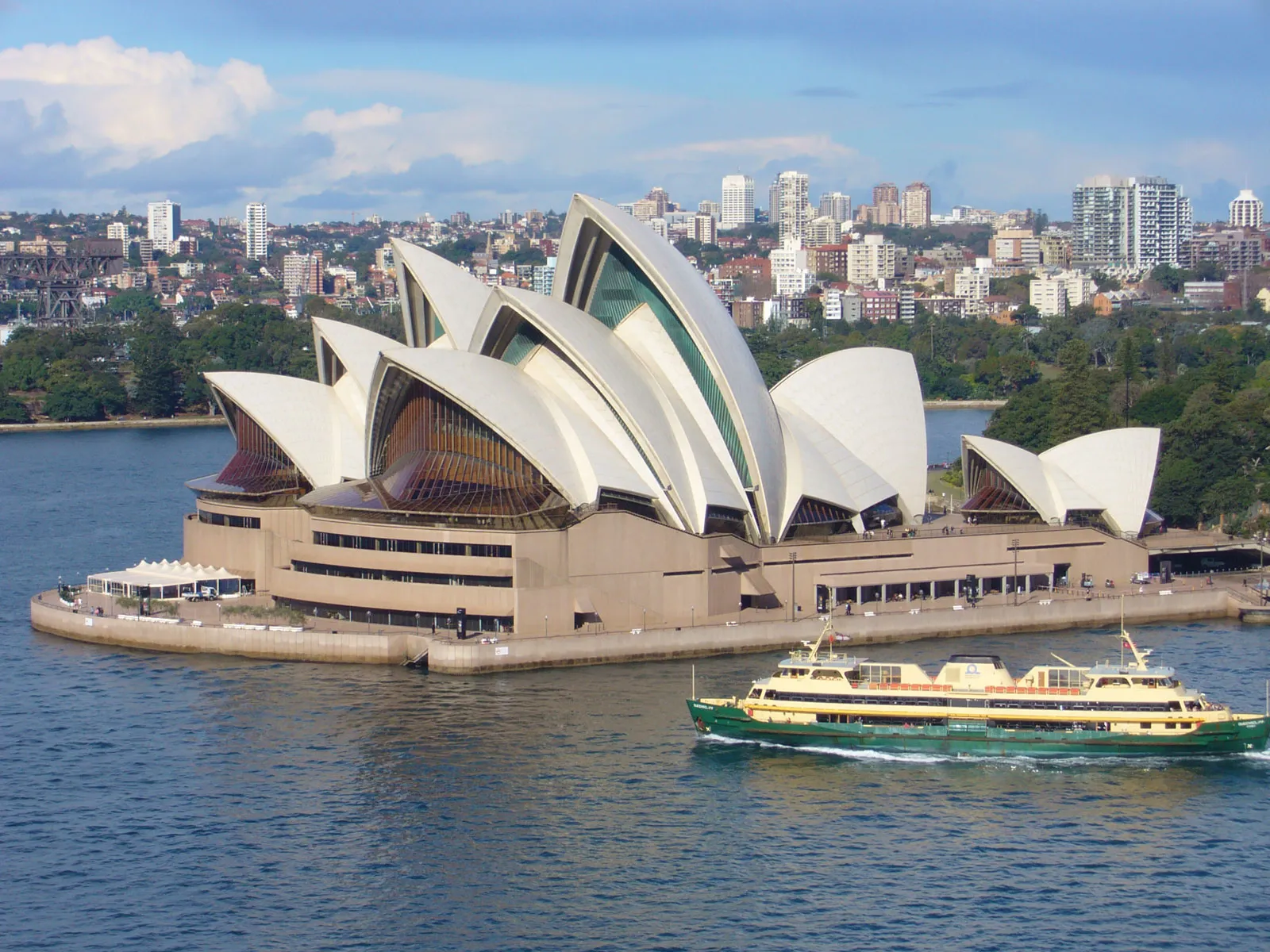
After landing at Sydney Kingsford Smith Airport, you can take the Airport Link to Central in about 13 minutes, with an Opal fare of around 20 AUD per person. If you are staying in Darling Harbour, you can have a light lunch at Sydney Fish Market to enjoy fresh seafood.
In the afternoon, spend time strolling through the Royal Botanic Garden next to the Opera House, then join the Opera House Guided Tour priced at 48 AUD per adult according to sydneyoperahouse.com. The tour lasts about 1 g hours and takes visitors through highlights such as the Concert Hall and Joan Sutherland Theatre. In the evening, the best sunset spot is Mrs Macquarie’s Chair, where you can capture both the Opera House and Harbour Bridge in one frame.
Day 2: Bridge Climb and Bondi Beach
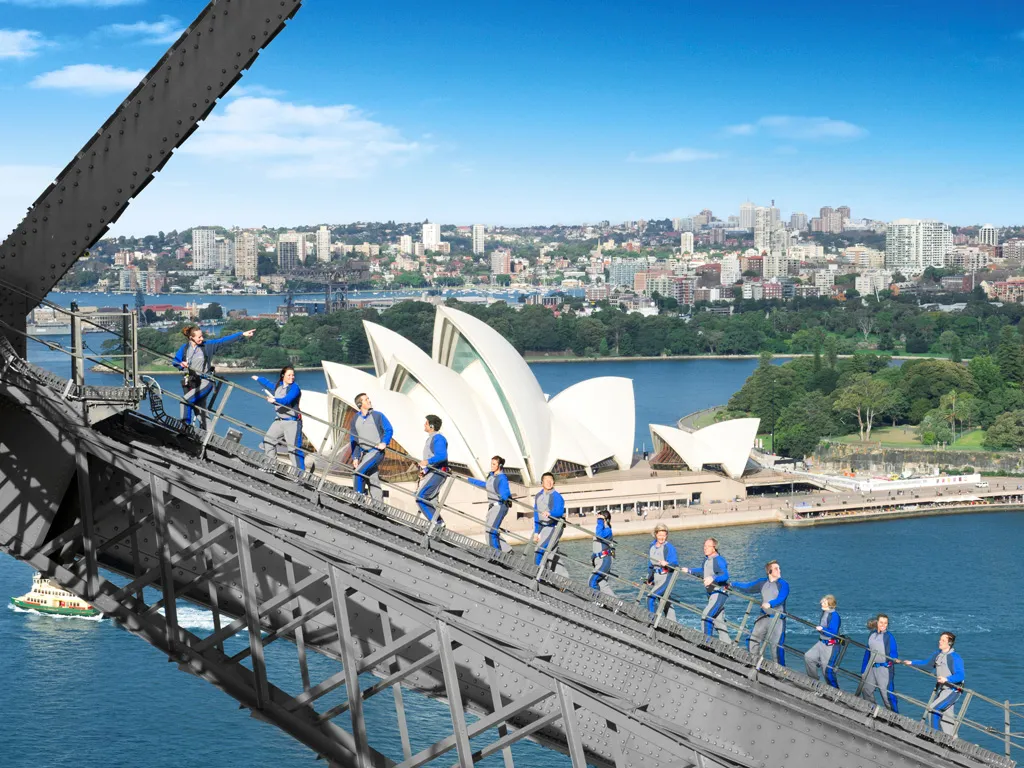
Morning is the ideal time to experience Sydney Harbour Bridge Climb. This signature Sydney activity takes you to the top of the steel arch bridge, 134 meters high, in about 3,5 g hours. Ticket prices range from about 300-450 AUD per person depending on time slot and season, so book in advance on bridgeclimb.com to choose a suitable package.
After Bridge Climb, you can walk through The Rocks Weekend Market right under the bridge if you are there on the weekend. In the afternoon, take the bus to Bondi Beach and walk the 6 km Bondi-Coogee Walk along the coast. This route usually takes about 2-3 g hours and is listed by Lonely Planet as one of the world’s most beautiful coastal walks.
Day 3: Blue Mountains day trip
The Blue Mountains are a very popular day-trip choice from Sydney. You can book a tour via Klook or Anderson’s Tours for about 150-285 AUD per person, depending on whether it is a small-group or all-inclusive package. Tours usually last about 12 g hours, depart from central Sydney at 7 g a.m., and return around 19 g p.m.
Highlights of the trip include the Three Sisters viewed from Echo Point, the Blue Mountains’ signature green valleys, and Scenic World with its cableway and the world’s steepest railway. If this is your first time in Sydney, it is a very worthwhile day trip to add to your itinerary.
Day 4: Taronga Zoo and Manly
In the morning, you can take a ferry from Circular Quay to Taronga Zoo. The ferry ride takes only about 12 minutes but has beautiful views, passing the Opera House and opening up a panoramic view of Sydney Harbour. Adult admission to Taronga Zoo is 39,60 AUD according to taronga.org.au. The zoo covers about 28 hectares and sits on a hillside overlooking the harbor.
In the afternoon, continue by ferry to Manly, which takes about 30 minutes. There, you can stroll along The Corso, walk by the seaside, and have a seafood dinner at Manly Wharf. This is a good day to enjoy the harbor lifestyle, which is more relaxed than days with lots of travel.
Day 5: Shopping in the CBD
The 5th day can be dedicated to central Sydney. Westfield Pitt Street and Queen Victoria Building are two standout shopping spots, with Queen Victoria Building impressing visitors with its Romanesque architecture dating back to 1898.
Popular items Vietnamese travelers often buy in Sydney include authentic UGG boots at around 280 AUD, Blackmores vitamins at around 120 AUD, Manuka honey, Tim Tams, or Aesop cosmetics. If you want to save money, compare prices between stores in the city center and larger supermarkets and pharmacies.
Day 6: Darling Harbour and Sydney Harbour at night
Darling Harbour is suitable for spending almost a full day, especially for families or travelers who enjoy indoor attractions. The SEA LIFE Sydney Aquarium, Madame Tussauds Sydney, and WILD LIFE Sydney Zoo combination tickets are often around 90-110 AUD, which is cheaper than buying each attraction separately.
In the evening, you can choose a dinner cruise around Sydney Harbour priced at about 95-140 AUD per person. This is a relaxing experience, letting you dine while watching the Opera House and Harbour Bridge light up.
Day 7: Brunch in Surry Hills and fly back to Vietnam
The final morning should be spent in Surry Hills, a neighborhood famous for its specialty cafes and considered one of Sydney’s “flat white capitals.” After a light brunch, you can head back to the hotel to collect your luggage, take the Airport Link to the airport, and catch your flight back to Vietnam.
If you only have 7 days and are deciding between Sydney and Melbourne, Sydney is better for first-time visitors to Australia who want to see famous landmarks like the Opera House, Harbour Bridge, and Bondi Beach. Melbourne is better for those who like coffee, street art, indie culture, and the Great Ocean Road day trip.
Getting around Sydney
Sydney has a well-integrated public transport system, including Sydney Trains, buses, ferries, and light rail. Most major attractions can be reached with an Opal Card or a contactless bank card, so travelers do not need to rent a private car if they are staying in the city and visiting popular sights.
Opal Card and daily cap
The Opal Card is the main transport card in New South Wales. According to transportnsw.info, from 14 7 2025, the daily cap for adults is 19,30 AUD from Monday to Thursday and 9,65 AUD on Friday, Saturday, Sunday, and public holidays.
Once your total transport spending for the day reaches the cap, any further trips are free. You can buy an Opal Card at 7-Eleven or simply use a contactless Visa/Mastercard directly at train gates, ferry wharves, and other contactless-enabled services.
Airport Link from the airport to the CBD
Airport Link connects Sydney Kingsford Smith Airport to Central in about 13 minutes and Circular Quay in about 18 minutes. Trains depart roughly every 10 minutes and operate from 4h20 to 0h55.
An adult Opal fare is about 20 AUD one way, including the 14,87 AUD Station Access Fee specific to the airport line. If you are traveling in a group of 4 people, Uber or 13Cabs taxi may be a more reasonable option, with fares of about 50-65 AUD per trip depending on the time.
Ferry: getting around while enjoying the view
Sydney Ferries are not only public transport but also a sightseeing experience worth trying. The Circular Quay to Manly route is one of Sydney’s most beautiful ferry rides, taking about 30 minutes and giving travelers views of the Opera House, Harbour Bridge, and harborfront homes.
Ferry fares are included in the Opal Card system and still count toward the overall daily cap. So if you plan your itinerary well, you can travel affordably while also enjoying some of the city’s best views.
Train to Cabramatta and the Blue Mountains
From Central, you can take Sydney Trains to Cabramatta in about 50 minutes, with an Opal fare of around 5-7 AUD per trip. This is a good option if you want to explore Sydney’s largest Vietnamese district.
If you want to visit the Blue Mountains on your own instead of booking a tour, you can take a train from Central to Katoomba in about 2 g hours, with a fare of around 9 AUD per trip. This option suits travelers who prefer a slower pace, more control over their time, and do not mind figuring out the route themselves.
Top attractions in Sydney
Sydney is best known for its three major icons: the Opera House, Harbour Bridge, and Bondi Beach. In addition, the city has many nature, culture, and entertainment spots that are well suited to a 7-day trip.
1. Sydney Opera House
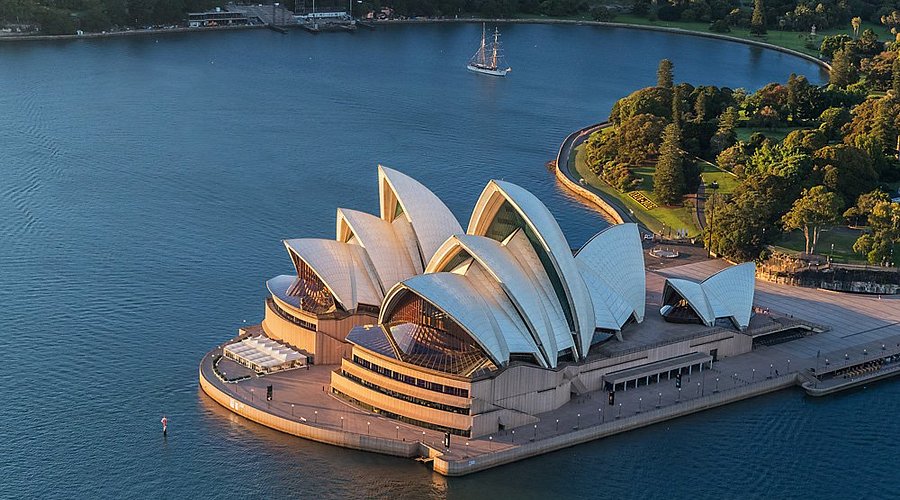
The Sydney Opera House is the city’s most famous landmark and was recognized by UNESCO as a World Heritage Site in 2007. Visitors can admire the exterior for free or join a guided inside tour for 48 AUD per adult, available between 9h-17h.
The best time to see the Opera House is at sunset or in the evening, when the warm lights reflect on the waters of Sydney Harbour. This area is also very convenient for combining a visit with the Royal Botanic Garden and Circular Quay.
2. Sydney Harbour Bridge
Sydney Harbour Bridge is a 1.149-meter steel arch bridge, completed in 1932. Visitors can walk across it for free on the Pylon Walkway to enjoy panoramic harbor views, or join BridgeClimb to climb to the bridge’s peak at 134 meters high.
BridgeClimb is one of Sydney’s most distinctive experiences. Although it is not cheap, many travelers still choose it because standing on top of the bridge and seeing the whole city from above is truly unique.
3. Bondi Beach
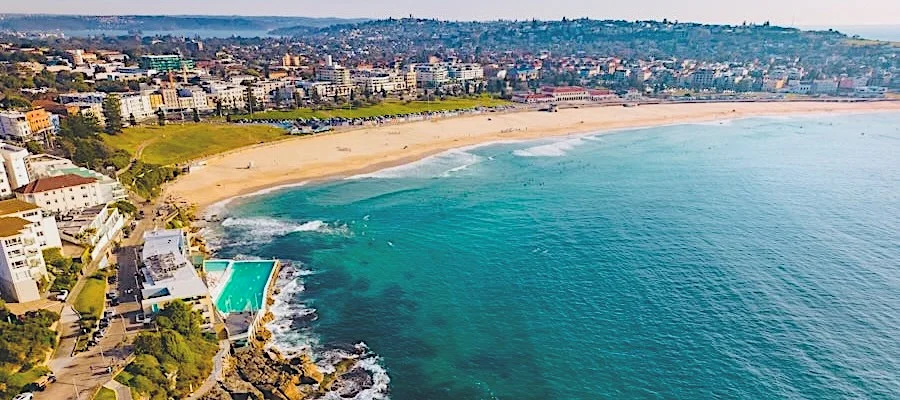
Bondi Beach is Australia’s most famous beach, about 1 km long and open to the public 24/7. It is an ideal place to swim, surf, watch the sunrise, or simply feel the lively rhythm of Sydney life.
The 6 km Bondi to Coogee coastal walk is an experience you should not miss. It is best to go in the early morning or late afternoon to avoid strong sun and to get better light for photos.
4. Blue Mountains
The Blue Mountains are about 2 g hours west of Sydney and are a UNESCO World Heritage area. The highlight is the Three Sisters rock formation overlooking the green valley, along with Scenic World, featuring the Skyway cable car and a 52-degree steep railway, considered the steepest railway in the world.
This is a very suitable day trip for anyone who wants to leave the city for a day and enjoy nature. You can join a package tour or go independently by train to Katoomba.
5. Taronga Zoo
Taronga Zoo covers about 28 hectares and sits on a hill facing the Opera House across Sydney Harbour. An adult ticket is 39,60 AUD, and the 12-minute ferry ride from Circular Quay to the zoo is also considered one of the city’s most scenic ferry routes.
What makes Taronga Zoo appealing is not only the animals but also its direct views over the harbor. It is a good choice for families with young children, groups of friends, and travelers who want to combine sightseeing with scenery.
6. Royal Botanic Garden
Royal Botanic Garden covers about 30 hectares, is located right next to the Opera House, and is free to enter from 7h until sunset. It is an ideal green space for a stroll, a break, and enjoying the view after visiting the Circular Quay area.
Inside the garden, Mrs Macquarie’s Chair is the most famous photo spot. From here, you can capture both the Opera House and Harbour Bridge in one frame, especially beautifully at sunset.
Beyond these places, Sydney also has many other notable landmarks such as SEA LIFE Sydney Aquarium, Hyde Park, and Watson’s Bay. If you have extra time, you can expand your itinerary to explore the coastal and suburban areas more deeply.
See also: When is the best time to travel to the Philippines? Ideal timing
Vietnamese and Australian food in Sydney
Cabramatta is about 30 km southwest of Sydney’s city center and is often called Sydney’s “Little Saigon.” The area has an East Asian-style gateway, Vietnamese shops lined up along John Street, and a very familiar atmosphere for Vietnamese visitors, from pho and bun cha to iced milk coffee.
Ms. Vu Thanh Huong, 31 years old, an English teacher in Da Nang, traveled to Sydney in 4 2026, and shared that when she got off the train at Cabramatta at 11 g noon and walked a few minutes to Pho An, it felt like she had never left Vietnam. The biggest difference was the price, as a bowl of dry pho costs about 18 AUD, many times higher than at home.
Top 5 Vietnamese eateries in Cabramatta
| Restaurant | Suggested dish | Reference price |
|---|---|---|
| Pho An | Dry pho | 18 AUD |
| Bay Tinh Bistro | Beef pho | 19 AUD |
| Nha Trang Restaurant | Bun cha | 20 AUD |
| Iron Chef Chinese | Dim sum | 8 AUD/plate |
| Cafe Hong Hac | Iced milk coffee | 5 AUD |
Besides Cabramatta, Bankstown is also a notable Vietnamese area, about 19 km west of the city center. It is smaller and less frequently included in tours, but more convenient for people with relatives in Fairfield or Liverpool, while also helping reduce food costs.
Top 3 signature Australian dishes to try
- Meat pie: a hot, crispy beef pie available at most bakeries, priced at around 4-7 AUD.

- Lamington: sponge cake coated with chocolate and coconut, an iconic Australian dessert, priced at around 3-5 AUD.
- Flat white: an espresso coffee with milk originating in Australia, different from a latte because of its thinner microfoam and stronger coffee flavor, priced at around 5-7 AUD.
A small tip: dining in Cabramatta is often cheaper than in the CBD by about 35-45%. Even though it takes about 50 minutes by train, it is still well worth a visit if you want familiar Vietnamese flavors in Sydney.
Where to stay in Sydney
Sydney has many different areas to stay in, but for short-term travelers, the 5 most popular are CBD, Darling Harbour, Bondi, Surry Hills, and North Sydney. Choosing the right area can save you a significant amount of travel time each day.
| Khu | Highlights | Standard hotel price/night | Best for |
|---|---|---|---|
| CBD | City center, near the Opera House | 220-350 AUD | First-time visitors, business travelers |
| Darling Harbour | Harbour view, near SEA LIFE | 250-400 AUD | Couples, families |
| Bondi | Near the beach, beach lifestyle | 180-300 AUD | Beach lovers |
| Surry Hills | Cafe, indie shop | 200-320 AUD | Young travelers, foodies |
| North Sydney | Quiet, 5 minutes across the Bridge | 200-300 AUD | Business travelers, budget-conscious visitors |
First-time visitors to Sydney often choose the CBD for easy access to the Opera House, Circular Quay, and central attractions. Couples or honeymoon travelers may prefer Darling Harbour for its beautiful night views. Surry Hills is suitable for young travelers who enjoy specialty cafes and small shops with a very Sydney vibe.
As for booking time, you should reserve about 6 months in advance if you are traveling in summer or during major holidays. For other seasons, booking about 3 months ahead usually gives you more options and better prices.
See also: How much does a trip to Malaysia cost 2026? A detailed breakdown from A to Z
Australia eSIM for Vietnamese travelers going to Sydney
A smooth trip to Sydney often starts with small details, including having internet access as soon as you land. The SimPM Australia eSIM uses Telstra’s network, with good coverage in central Sydney and even in farther areas such as Three Sisters in the Blue Mountains.
Popular SimPM Australia eSIM plans
- 5 GB / 7-day plan: suitable for short trips of 5-7 days, used for maps, Uber, social media, and messaging.
- 10 GB / 10-day plan: suitable for standard trips of 7-10 days, enough for maps, social media, and video calls back to Vietnam.
- 15 GB / 15-day plan: suitable for couples sharing hotspot data or trips combining Sydney and Melbourne.
Whether you are heading to Sydney, Seoul, Bangkok, or any other destination, a reliable travel eSIM will make your trip easier from the moment you land. Instead of wasting time looking for a SIM card at the airport or worrying about losing connection when you need to check maps, book a ride, buy tickets, or contact your hotel, you can buy a travel eSIM at SIMPM before your trip and activate it in just a few minutes. SimPM currently offers many eSIM plans suited to different destinations such as Australia eSIM, Korea eSIM, Thailand eSIM, Singapore eSIM, Japan eSIM, and many other countries, helping you stay connected throughout your journey.