How Much Does a DIY Trip to the Philippines Cost? Full Breakdown

The Philippines is famous for its beautiful islands, but many travelers still worry that the budget will be too high for an independent trip. In fact, if you plan your itinerary wisely, optimizing the cost of a DIY trip to the Philippines can fit a wide range of budgets. So how much money do you need for the Philippines, which expense is the biggest, and how can you save effectively? Let’s take a detailed look below.
Is DIY travel in the Philippines expensive?
DIY travel in the Philippines is not too expensive if you know how to plan your itinerary properly. Compared with Singapore, South Korea, or Japan, the cost of traveling to the Philippines is much more affordable. However, compared with Thailand or Malaysia, the total cost may be slightly higher because the Philippines is an archipelago, and many famous tourist spots are spread across different islands.
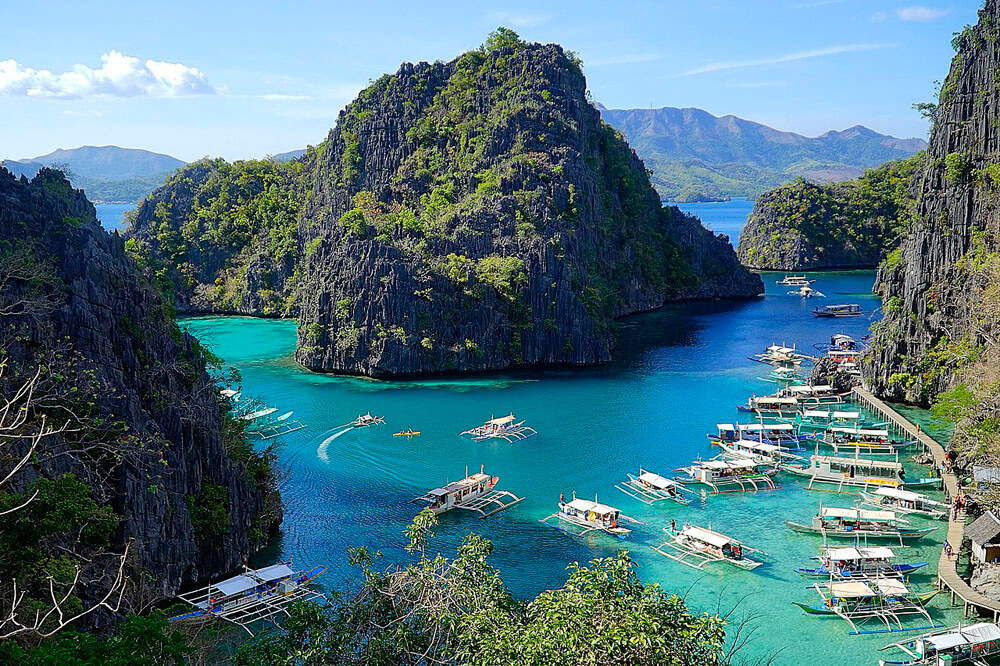
The key thing to understand is that the Philippines is not expensive in terms of basic food or accommodation. The items most likely to push your budget up are usually international flights, domestic flights, fast ferries, and island-hopping tours. That is why two DIY trips to the Philippines can have very different costs: someone visiting only Manila and Cebu will spend very differently from someone adding Coron, El Nido, or Boracay.
For a budget style, travelers can prepare around 15 million VND for a short trip. If you want a more comfortable itinerary, staying in nice hotels, joining island tours, and eating more freely, a reasonable budget usually falls in the range of 18 – 25 million VND per person. For resort stays by the beach or multi-island journeys, costs can start from 30 million VND and up.
One advantage of the Philippines is that travelers can control their budget quite flexibly. If you want to save money, choose only 1 – 2 main destinations instead of trying to visit too many islands on the same trip. For example, a Manila – Cebu itinerary is usually easier to optimize than Manila – Cebu – Coron – El Nido, because each island change adds airfare, luggage fees, taxis, ferries, or transfer tours.
On the other hand, if your goal is to experience the most beautiful places such as Coron, El Nido, or Boracay, higher costs are completely understandable. These destinations are famous for blue water, lagoons, small islands, and diving activities, so travelers often need to spend extra on sightseeing tours, environmental fees, equipment rental, or boat transportation.
Overall, DIY travel in the Philippines is not an overly expensive trip, but it should not be considered extremely cheap either. This is a mid-range destination, suitable for travelers who know how to plan, book early, and choose a smart itinerary. To travel on a budget, reduce the number of islands you need to move between. To enjoy more beautiful places and more experiences, prepare a larger budget for domestic flights, island tours, and incidental expenses.
Detailed breakdown of each cost when traveling in the Philippines independently
To calculate the true cost of a DIY trip to the Philippines, do not just look at the flight ticket or hotel. The Philippines is an archipelago, so the actual budget also depends heavily on how many islands you want to visit, how you move between destinations, and how many island tours you join.
Vietnam – Philippines flight costs
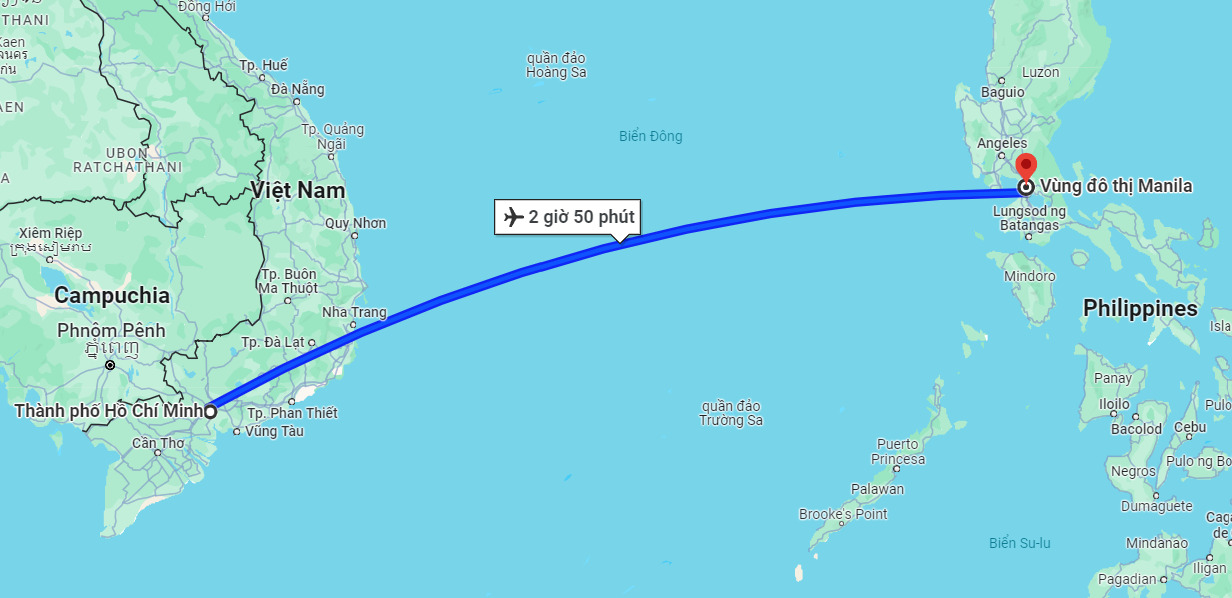
Airfare is usually the first major expense of the trip. Common routes from Vietnam to the Philippines include Hanoi – Manila, Ho Chi Minh City – Manila, Hanoi – Cebu, or Ho Chi Minh City – Cebu.
Round-trip fares usually range around:
- Low season: 4.000.000 – 7.000.000 VND/person.
- High season: 8.000.000 – 15.000.000 VND/person.
- Booking close to departure or flying during holidays: can be over 15.000.000 VND/person.
If you want to save money, book about 2 – 3 months in advance, prefer midweek flights, and check checked-baggage rules carefully. Some low-cost airlines may have low base fares, but baggage fees, seat selection, or rescheduling can significantly increase the total cost.
Inter-island transportation costs in the Philippines
This is a very important item when calculating the cost of DIY travel in the Philippines. Unlike destinations where you can take buses or trains continuously, many famous tourist spots in the Philippines are on different islands, so travelers often have to combine domestic flights, ferries, vans, taxis, or tricycles.
Reference costs:
- Domestic flight: 500.000 – 2.000.000 VND/leg.
- Fast ferry: 300.000 – 1.300.000 VND/trip.
- Long-distance van or bus: 200.000 – 600.000 VND/trip.
- Grab or taxi in the city: 70.000 – 300.000 VND/ride.
- Jeepney, tricycle: 10.000 – 50.000 VND/ride.
If you visit many islands in a short time, transportation costs can be nearly as high as, or even higher than, accommodation costs. Therefore, for a 5 – 7 day trip, it is best to choose a maximum of 1 – 2 main areas to avoid wasting money and time on transportation.
Hotel and accommodation costs in the Philippines

Accommodation in the Philippines comes in many price ranges, suitable for both budget travel and resort holidays. Manila and Cebu usually offer more affordable options, while Boracay, Coron, and El Nido are more expensive, especially near the beach or in the tourist center.
Reference accommodation prices:
- Dorm, hostel: 150.000 – 400.000 VND/night.
- Homestay, guesthouse: 400.000 – 800.000 VND/night.
- 2 – 3 star hotel: 700.000 – 1.800.000 VND/night.
- Beach resort: 2.000.000 – 8.000.000 VND/night.
If you are traveling alone, a hostel or dorm is the most economical choice. If you are traveling with 2 people or more, a 2 – 3 star hotel or a small apartment will be more reasonable because the room cost can be shared. For famous island destinations, book early because prices can rise sharply during peak season.
Food costs in the Philippines
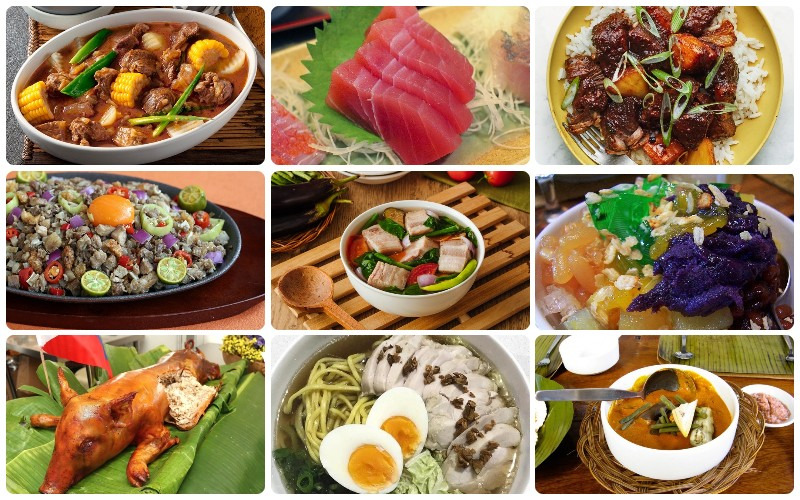
Food costs in the Philippines are generally not too high if you choose local eateries. Popular dishes such as adobo, sisig, lechon, rice meals, noodles, grilled food, or fast food are usually affordable. However, if you eat at seaside restaurants, resort restaurants, or well-known tourist areas, the cost will be noticeably higher.
Reference spending:
- Budget meal: 50.000 – 120.000 VND/person.
- Mid-range restaurant: 180.000 – 400.000 VND/person.
- Seafood restaurant, seaside restaurant: 300.000 – 800.000 VND/person.
- Coffee, juice, drinks: 40.000 – 150.000 VND/cup.
If you eat frugally, you can spend around 250.000 – 500.000 VND/person per day. If you want to eat more comfortably, you should budget around 600.000 – 1.000.000 VND/person per day.
Tour and experience costs
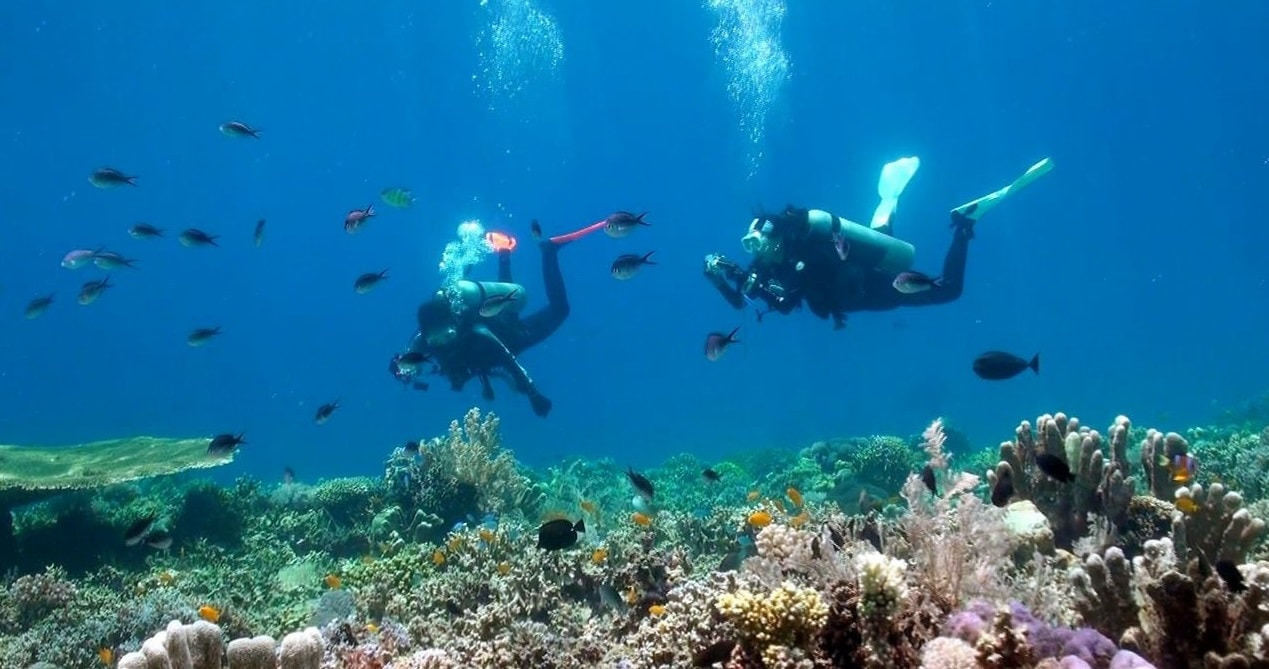
Sightseeing tours are an expense worth including in your budget because most of the most beautiful experiences in the Philippines are on the islands and at sea. Common activities include island hopping, snorkeling, diving, canyoneering, kayaking, coral viewing, lagoon tours, or waterfall exploration.
Reference costs:
- Shared island-hopping tour: 600.000 – 1.500.000 VND/person.
- Private boat tour: 2.000.000 – 6.000.000 VND/group.
- Snorkeling: 300.000 – 800.000 VND/person.
- Diving: 1.000.000 – 3.000.000 VND/session.
- Canyoneering in Cebu: 800.000 – 1.800.000 VND/person.
- Entrance tickets, environmental fees: 50.000 – 300.000 VND/site.
If you are going to Coron, El Nido, or Boracay, set aside a separate budget for island tours. This is the part that can increase the cost of a DIY trip to the Philippines, but it is also the most worthwhile experience on the journey.
Internet and communication costs when traveling in the Philippines
Internet is a small but very necessary expense when traveling independently. Having stable connectivity helps you check maps, book rides, contact hotels, check flight tickets, use translation apps, and update your itinerary when moving between islands. The costPhilippines travel eSIM purchased at SimPM starts from only 235.000 VND.
Compared with international roaming, eSIM is often more economical and convenient. Travelers can buy it in advance in Vietnam, install it on their phone, and activate it when they arrive in the Philippines without removing their physical SIM.
Gift-buying costs
The Philippines has many easy-to-buy gifts such as dried mangoes, dried bananas, local chocolate, coffee, T-shirts, handicrafts, woven bags, domestic cosmetics, or pearls. If you want to buy gifts at good prices, it is best to choose supermarkets, local markets, or large stores instead of buying at the airport.
Reference budget:
- Basic gifts: 500.000 – 1.000.000 VND.
- Buying lots of specialties and souvenirs: 1.000.000 – 3.000.000 VND.
- Buying pearls or premium handicrafts: from 3.000.000 VND and up.
To avoid going over budget, set aside a separate shopping allowance in advance. This is an easy expense to incur because each item is not usually very expensive, but together they can add up to a large amount.
Contingency costs
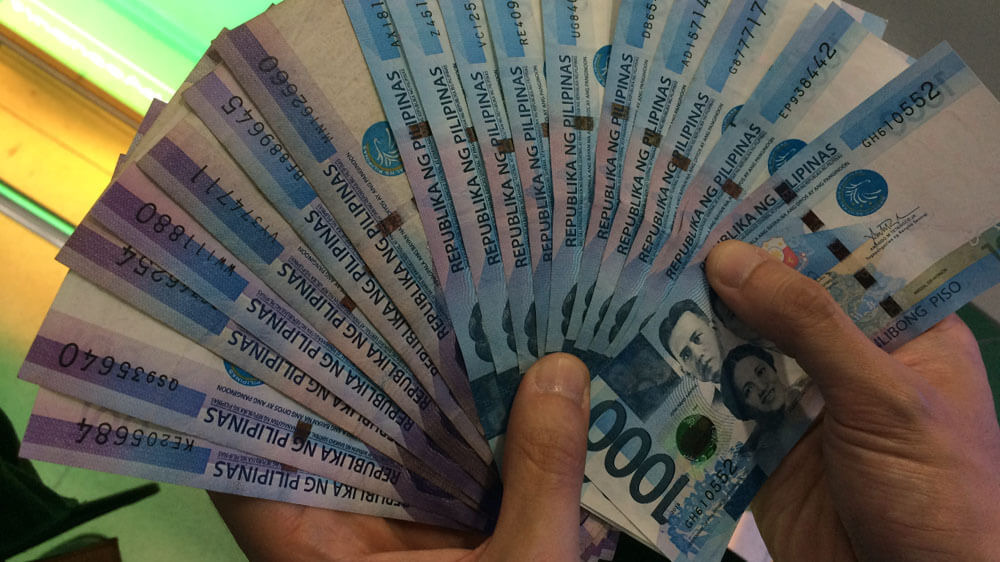
When calculating the cost of a DIY trip to the Philippines, you should always include a contingency fund. The reason is that itineraries in the Philippines can be affected by weather, flight delays, ferry schedule changes, or additional costs when moving between islands.
Recommended contingency amount:
- 4 – 5 day trip: 2.000.000 – 3.000.000 VND.
- 7 day trip: 3.000.000 – 5.000.000 VND.
- Multi-island trip or rainy-season trip: from 5.000.000 VND and up.
This amount can be used for ticket changes, extra hotel bookings, medicine, private cars, additional checked baggage, or unexpected situations.
Incidental costs
In addition to the main expenses, travelers should add about 10 – 15% of the total budget for incidental costs. These are small amounts, but they appear fairly often during the trip.
Some common incidental costs include:
- Checked baggage fees.
- Seat selection fees.
- ATM withdrawal fees.
- International card payment fees.
- Airport tax or environmental fees.
- Tips.
- Drinking water, snacks.
- Towel, locker, life jacket, or beach equipment rental.
- Transportation from the airport to the hotel.
See more: When Is the Best Time to Visit the Philippines? The Ideal Time
How to save money when traveling in the Philippines independently
To optimize the cost of DIY travel in the Philippines, focus on controlling the items most likely to “inflate” your budget, such as airfare, inter-island transportation, accommodation, and sightseeing tours. Below are practical saving tips that are easy to apply when planning your itinerary.
- Book flights early and be flexible with flight dates: Airfare usually accounts for a large share of the total budget. It is best to book flights about 2 – 3 months in advance, prefer midweek flights, and avoid peak periods such as holidays, summer, or year-end. If you can be flexible with your departure and return dates, it will be easier to optimize round-trip fares.
- Choose an itinerary by grouping nearby destinations: One effective way to reduce the cost of DIY travel in the Philippines is to group nearby destinations into the same route. For example, if you are already in Cebu, you can combine Moalboal, Oslob, or Bohol; if you are in Palawan, you can travel Puerto Princesa – El Nido in the same direction to reduce backtracking and the number of transfers.
- Prioritize hostels, homestays, or mid-range hotels: If your itinerary is mainly about going to the beach, sightseeing, and exploring outdoors, you do not necessarily need to choose an expensive resort. Hostels, homestays, or 2 – 3 star hotels are usually comfortable, clean, and more economical. When traveling in a group, you can rent an apartment or family room to split accommodation costs.
- Book early on famous islands: Boracay, Coron, and El Nido often see sharp price increases during peak season. Booking early gives you more options, better locations, and helps avoid staying too far from the center. Accommodation location is also very important because if you stay far from the pier, beach, or dining area, your daily transportation costs will increase.
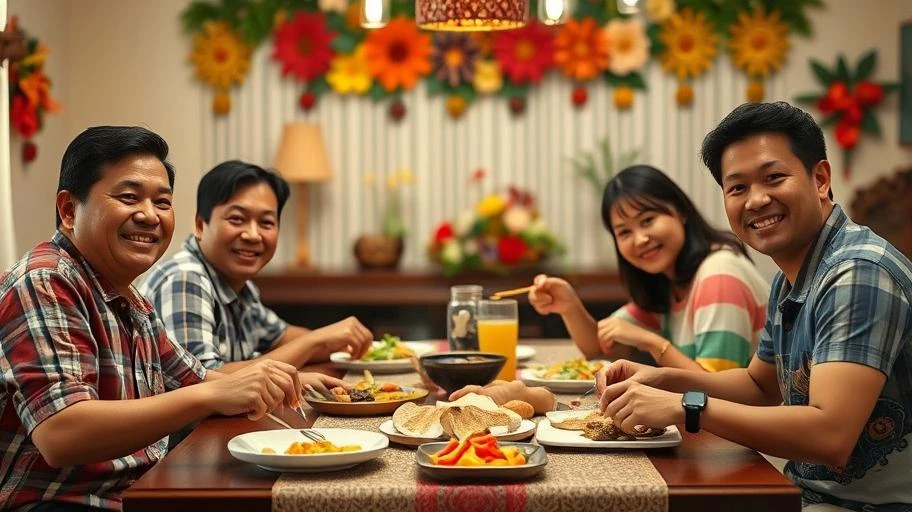
- Eat at local eateries instead of tourist restaurants: Food in the Philippines is not too expensive if you choose local eateries, food courts, or night markets. Rice meals, grilled dishes, adobo, sisig, or fast food are usually reasonably priced. Try to limit how many meals you have at seaside restaurants or in resorts because prices are usually much higher.
- Prepare your internet before traveling to the Philippines: Having stable mobile data helps save a lot of indirect costs such as booking rides, checking directions, booking tours, contacting hotels, and managing your itinerary. Instead of using international roaming, you can buy eSIM before your trip. This is a small expense, but it helps you control the cost of DIY travel in the Philippines more effectively, especially when moving between multiple destinations.
- Travel in a group to share costs: Traveling in a group helps reduce many expenses such as hotel rooms, taxis, private tours, boat rentals, or set meals. A group of 3 – 4 people usually finds it easier to optimize the budget than traveling alone.
The cost of DIY travel in the Philippines depends on your itinerary, the number of islands you want to visit, your accommodation style, and the experiences you choose. Don’t forget to prepare stable internet before your trip so you can easily check maps, book rides, contact hotels, and update your itinerary when moving between islands.
If you are looking for a convenient Philippines travel eSIM that is easy to install and gives you data as soon as you land, you can learn more at SimPM or contact the hotline 0919.999.336 for quick advice and to choose the most suitable package for your trip.
See more: Is Traveling in the Philippines Safe? A Practical Perspective