When Is the Best Time to Visit the Philippines? Ideal Travel Season

Philippines is most beautiful when the sea is blue enough, the sunshine is clear enough, and island trips go smoothly. So when is the best time to visit the Philippines if you want to fully enjoy Boracay, El Nido, Coron, and Cebu while minimizing rain and storms that could disrupt your itinerary? Let’s find out the ideal time before you start planning your trip.
Overview of the climate and weather in the Philippines
The Philippines has a tropical monsoon climate, characterized by hot and humid weather year-round, plenty of sunshine, and frequent showers. Located between major seas and directly influenced by the Pacific Ocean, the weather in the Philippines can change quickly, especially in island and coastal areas.
In general, the climate of the Philippines is divided into two main seasons:
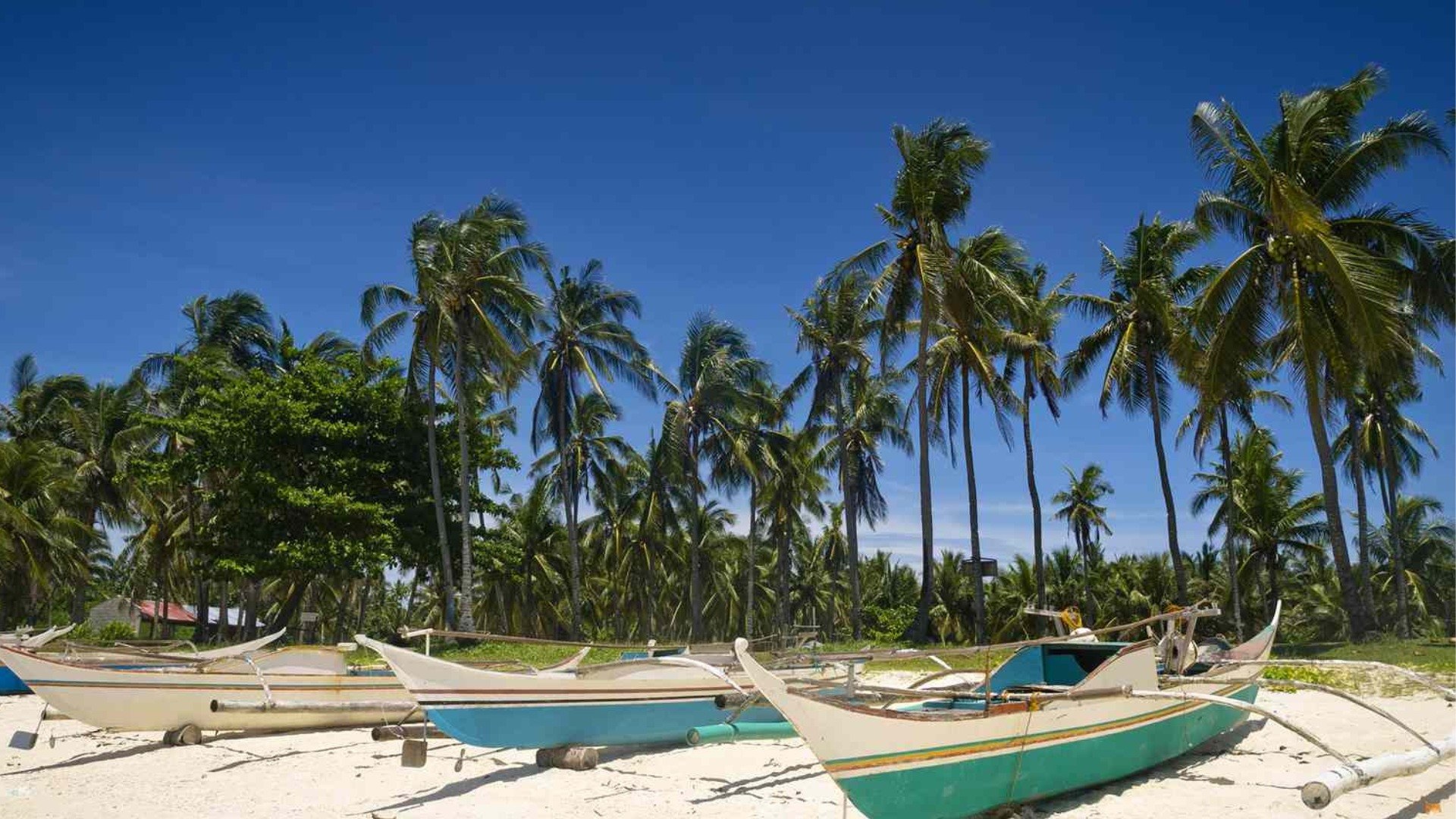
- Dry season: Usually lasts from month 12 to month 5. This is a more stable weather period, with plenty of sunshine, clearer seas, and little rain. The dry season is also the best time for activities such as swimming, scuba diving, island tours, kayaking, or traveling by boat between islands.
- Rainy season: Usually lasts from month 6 to month 11. During this time, showers may occur, humidity is higher, and the sea is more likely to be rough. Some months in the middle of the rainy season are also when the Philippines is more likely to be affected by typhoons or tropical depressions.
Temperatures in the Philippines are generally quite stable, averaging around 27–31 degrees Celsius throughout the year. In the final months of the year and the beginning of the next, the weather is usually more pleasant, with less intense sunshine. Meanwhile, from month 3 to month 5, temperatures can be higher, which is suitable for beach travel but requires careful preparation such as sunscreen, a hat, sunglasses, and light, breathable clothing.
One important point is that the weather in the Philippines is not exactly the same across all regions. Since this is an archipelagic country with more than 7.000 islands, each area can have its own climate characteristics. Boracay is usually at its best in the dry season, with calm seas and beautiful sunshine; Palawan, including El Nido and Coron, is best when there is less rain for island tours; while Cebu and Bohol have relatively more stable weather and can be visited at many times of the year.
Why should you choose the right time to travel to the Philippines?
When researching the best time to visit the Philippines, many people only care about whether it will be sunny. However, the actual travel period has a major impact on your itinerary, island experiences, costs, and even the overall quality of the trip.
- Helps you enjoy island and beach experiences to the fullest: The Philippines is famous for blue seas, white sand, coral reefs, and island-hopping tours. If you go during the dry season, the sea is usually clearer, the sky is brighter, and activities such as swimming, snorkeling, kayaking, or outdoor photography are also more convenient. On the other hand, if you encounter heavy rain or rough seas, the scenery may not be as expected and many outdoor activities can be limited.
- Reduces tour cancellations or itinerary disruptions: Many famous tourist spots in the Philippines require traveling by boat or ferry between islands. When the weather is bad, the sea is rough, or there is a storm, boat trips are easily delayed or canceled for safety reasons. This can disrupt your schedule, especially for short trips or when you have already booked hotels, tours, and domestic flights in advance.
- Helps you optimize travel costs more effectively: The peak travel season in the Philippines usually falls during the beautiful-weather period from month 12 to month 5. This is also when airfare, hotels, and sea tours become more expensive due to higher visitor numbers. If you want to save money, many people choose to travel in the low season.
- Matches different travel needs: Not everyone travels to the Philippines for the same reason. People who enjoy beach relaxation usually prefer sunny weather; those who like diving need clear water and stable waves; while surfing enthusiasts may choose a time with stronger waves. Therefore, the ideal time depends on the experience each person wants.
- Helps you pack and plan more proactively: If you travel during the dry season, you can prioritize lightweight clothing, beachwear, and sun-protection items. On the other hand, the rainy season calls for a waterproof jacket, a waterproof phone pouch, and a more flexible itinerary to prepare for weather changes. Packing according to the season makes the trip much more convenient and comfortable.
- Improves the quality of your experience and check-in photos: Famous destinations such as Boracay, El Nido, Coron, and Cebu are often at their most beautiful when the weather is sunny and the sea turns a vivid blue. Good lighting not only makes photos stand out more but also makes sunset viewing, boat trips, and island exploration more impressive. This is also why many travelers prioritize finding out the best time to visit the Philippines before booking flights.
When is the best time to visit the Philippines?
When is the best time to visit the Philippines is the most important question when planning a trip to this island nation. If you look at the overall weather, the safety of traveling between islands, and the quality of outdoor experiences, the best time to visit the Philippines is from month 12 to month 5.

This is the dry season in the Philippines, when the weather is more stable, there is plenty of sunshine, rainfall decreases, and the sea is usually clearer. For a destination known for island and beach activities such as Boracay, El Nido, Coron, Cebu, or Bohol, the dry season offers the most favorable conditions for swimming, snorkeling, island tours, kayaking, sunset watching, and photography.
Specifically, the best time to visit the Philippines can be divided as follows:
- From month 12 to month 2: This is the most pleasant period in the dry season. The sunshine is beautiful but not too harsh, humidity is lower, and it is suitable for most beach travel, resort stays, and island exploration itineraries. This is also the period chosen by many travelers because the weather is relatively stable, especially for families, couples, or first-time visitors to the Philippines.
- From month 3 to month 4: This is the period when the sea is often very beautiful, the weather is bright, and the water turns a clearer blue, especially in places like Palawan, Boracay, and Cebu. However, the weather can be hotter, so you should prepare sunscreen, a wide-brimmed hat, sunglasses, and a reasonable rest schedule if you spend a lot of time outdoors.
- Month 5: This is the end of the dry season, and travel to the Philippines can still be quite convenient, especially if you want to avoid the early-year peak. However, some places may begin to experience short showers, so it is a good idea to check the weather forecast before your trip.
If you prioritize a low-risk trip with beautiful seas and a stable itinerary, around month 1 to month 4 is the safest choice. This is the most suitable time for those who want to fully enjoy the Philippines’ characteristic beauty: blue seas, golden sunshine, beautiful islands, and convenient outdoor activities.
However, that does not mean you cannot travel to the Philippines outside the dry season. From month 6 to month 11 is the rainy season, when costs are usually more affordable and there are fewer tourists. Even so, this period can bring showers, rough seas, or storm impacts, especially from month 7 to month 10. If you travel during this season, choose a flexible itinerary, prioritize destinations with good infrastructure such as Cebu, Manila, and Bohol, and always follow the weather forecast closely before departure.
The best time by destination in the Philippines
When researching the best time to visit the Philippines, you should not only look at the country’s overall weather. The Philippines is an archipelago, so each destination has different climate characteristics, ideal beach seasons, and levels of exposure to rain and storms. Therefore, choosing the timing for each destination will make your itinerary more practical and less risky.
Boracay

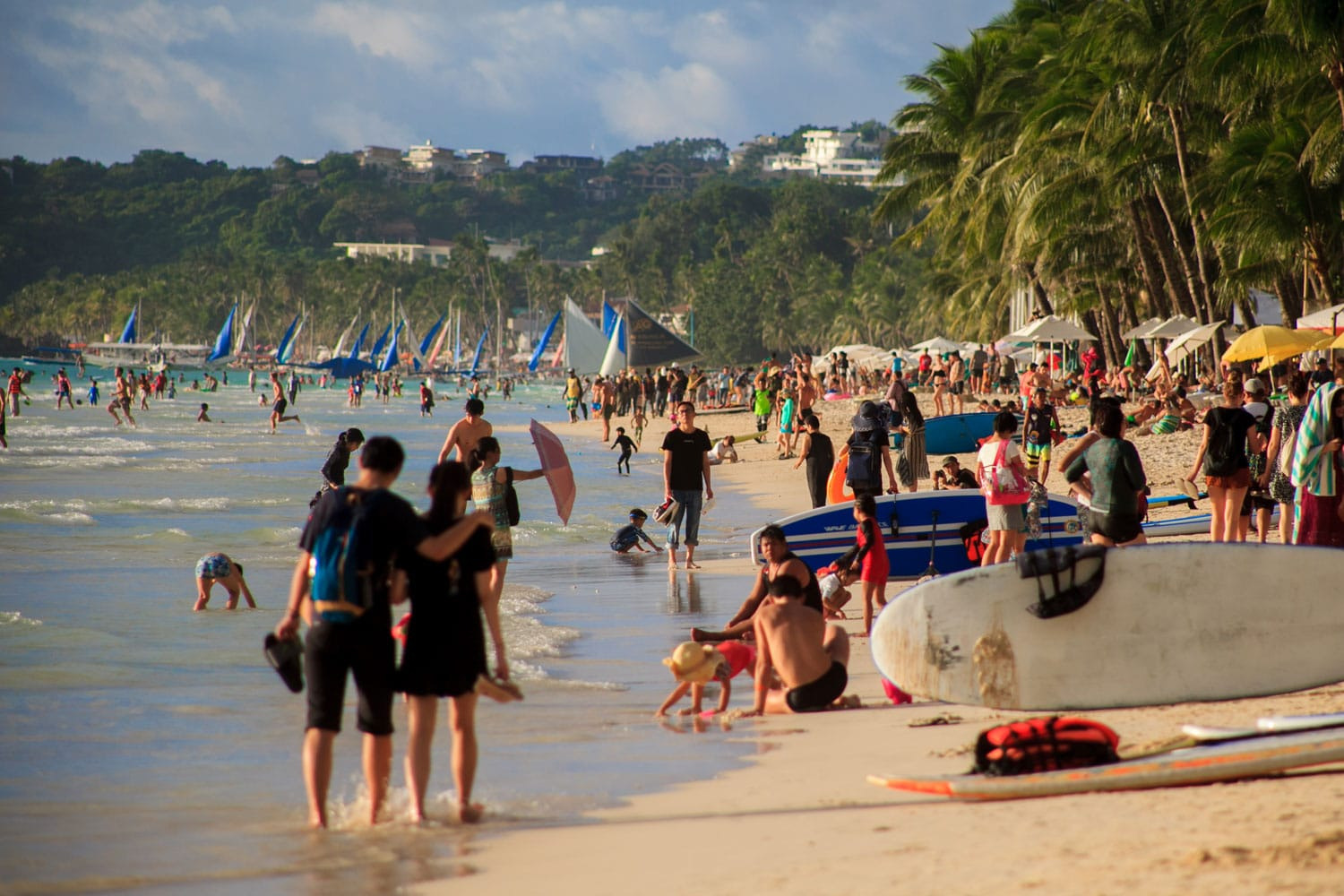
Boracay is an ideal choice for those who enjoy beach relaxation, sunbathing, sunset watching, and a lively nightlife atmosphere. The best time to visit Boracay is usually from month 12 to month 4.
During this period, the weather in Boracay is quite stable, with plenty of sunshine, calm seas, and its signature clear blue water. This is when activities such as swimming at White Beach, SUP paddling, sailing on a paraw, snorkeling, or taking sunset photos are more likely to go smoothly.
If you visit Boracay from month 6 to month 10, you can still travel there, but you should be prepared for showers, strong winds, or rough seas. Some days may still be beautiful, but outdoor plans can be affected more than in the dry season.
El Nido

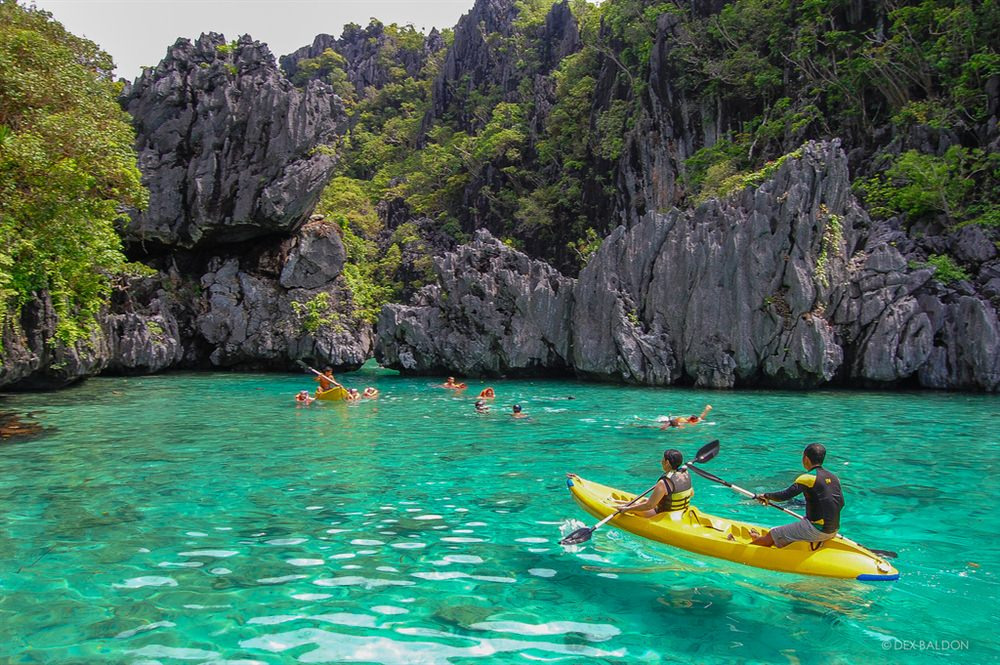
El Nido is in Palawan and is famous for its turquoise bays, limestone cliffs, lagoons, and island-hopping tours. The best time to visit El Nido is usually from month 1 to month 5.
This is the period when the sea is relatively clear, the weather is bright, and boat travel between islands is more favorable. If your main goal is to join lagoon tours, go diving, kayak, or explore small beaches, you should prioritize traveling in the dry season to reduce the chance of tour cancellations due to bad weather.
El Nido in the rainy season can still be beautiful, but heavy rain and rough seas may cause island tours to change or temporarily stop. Therefore, for short trips, El Nido should be prioritized in the sunny season to make the most of your time.
Coron
Coron is also in Palawan and is famous for its clear lakes, shipwrecks, coral reefs, and unique diving spots. The best time to travel to Coron is from month 1 to month 5, similar to El Nido.
This period is suitable for activities such as diving, snorkeling, island tours, visiting Kayangan Lake, Twin Lagoon, and pristine beaches. Dry weather improves underwater visibility, while boat travel is also safer and more comfortable.
If you travel to Coron during the rainy season, it is a good idea to add extra buffer days to your itinerary because sea tours can depend heavily on wind conditions, waves, and weather warnings.
Cebu
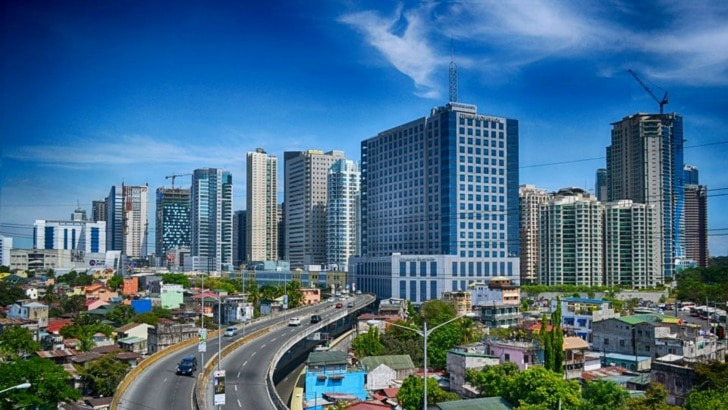
Cebu is a fairly flexible destination because it offers beaches, waterfalls, whale tours, small islands, and a developed urban area. The best time to visit Cebu is usually from month 12 to month 5.
During the dry season, highlights such as diving in Moalboal, sardine watching, canyoneering at Kawasan Falls, visiting Oslob, or traveling to nearby islands are more convenient. Cebu is also suitable for first-time visitors to the Philippines because it has good tourism infrastructure, many flight options, and plenty of accommodation choices.
From month 6 to month 11, Cebu can still be visited, but some outdoor activities such as canyoneering, diving, or island trips will depend more on rainfall and currents.
Bohol
Bohol is suitable for travelers who want to combine island scenery, nature, and local cultural experiences. The best time to visit Bohol is from month 12 to month 5.
This is a favorable period to explore Chocolate Hills, take a Loboc River cruise, visit Panglao Island, dive at Balicasag, or watch dolphins in the early morning. Dry weather makes island travel easier, while sea activities are also more stable.
If you travel to Bohol during the rainy season, it is better to keep your itinerary light and avoid packing too many outdoor activities into a single day. Rain showers can come quickly, but they may also stop quickly, so a flexible schedule is more suitable.
Siargao

Siargao is famous for surfing, lagoons, coconut forests, and a laid-back atmosphere. Unlike many other island-beach destinations, the best time in Siargao depends on the purpose of your trip.
If you want to surf, the ideal time is usually from month 8 to month 11, when the waves are stronger and more consistent, especially around Cloud 9. This is the season chosen by many surfing enthusiasts.
If you want to relax, take photos, visit lagoons, and explore the islands in a more leisurely way, you can consider the period from month 3 to month 5, when the weather is usually brighter and suitable for outdoor activities.
Manila

Manila is often the first stop before flying on to other islands. The city is suitable for a short stay, shopping, dining, or exploring cultural sites such as Intramuros, Rizal Park, and the Makati area.
The most pleasant time to stay in Manila is usually from month 12 to month 2, when the weather is cooler and less humid than in the summer period. From month 3 to month 5, Manila can be quite hot, while from month 6 to month 11, it is more likely to experience heavy rain, localized flooding, or more severe traffic congestion.
See more: Do You Need a Visa to Travel to the Philippines? Latest Procedures
Tips for preparing for your Philippines trip
After determining the best time to visit the Philippines and choosing a suitable period, the next step is to prepare everything you need so the trip goes more smoothly. Since the Philippines is an island nation where travel often involves boats, ferries, or domestic flights, preparing properly from the start will help reduce many potential issues during the trip.
- Prioritize a compact suitcase or travel backpack: Many destinations in the Philippines require getting on and off boats, moving between islands, or walking quite a lot. Therefore, overly bulky luggage can be inconvenient, especially when you need to change transport repeatedly. For island-hopping trips or itineraries covering multiple islands, a travel backpack or small-size suitcase is usually more practical.
- Prepare all necessary personal documents: A passport is the most important document for entering the Philippines. You should check that your passport is valid for at least 6 months from your departure date. In addition, keep your round-trip flight ticket, hotel confirmation, and basic itinerary saved on your phone in case you need to present them.
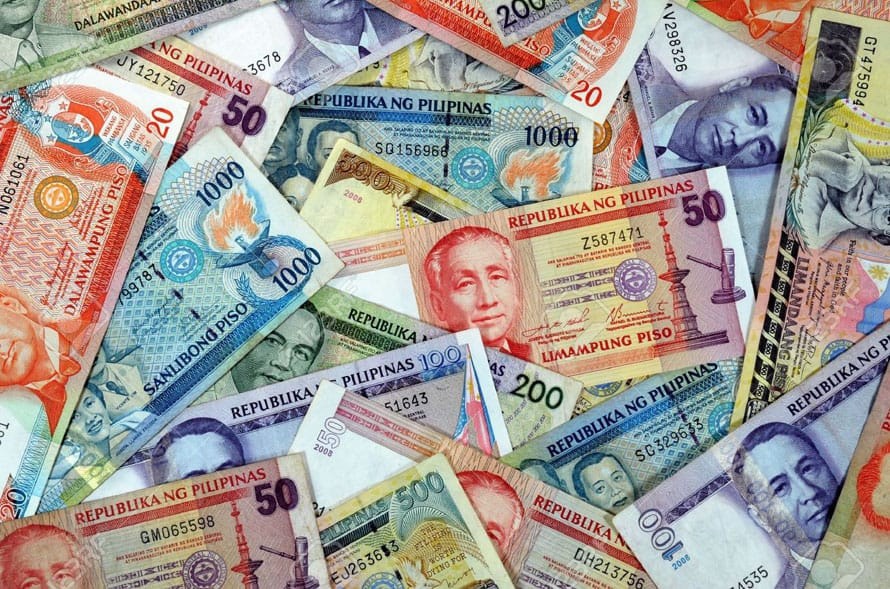
- Exchange a small amount of cash before your trip: Although many areas in the Philippines support card payments, cash is still more commonly used on small islands, at local eateries, or at night markets. It is a good idea to prepare some Philippine pesos in advance so you can pay more easily when you first arrive at the airport or move between islands.
- Prepare internet access for convenient travel: Internet is almost indispensable when traveling independently in the Philippines, especially if you need Google Maps, ride-hailing, itinerary checks, or communication. Many travelers today prefer to use Philippines travel eSIM purchased from SimPM for as little as 235.000 VND to stay connected more proactively throughout the journey.
- Bring personal medicine and basic necessities: If you have a history of seasickness or get tired easily on boats, prepare motion sickness medicine in advance because some inter-island routes can take quite a long time. In addition, items such as sunscreen, insect repellent, headache medicine, or digestive medicine should also be brought along so you can be more prepared when needed.
- Check the weather before departure: Even if you have already researched the best time to visit the Philippines, you should still check the weather forecast a few days before your trip. Some island and beach areas can experience weather changes quite quickly, especially during the rainy season or when there is a tropical depression. Weather updates make it easier to adjust your itinerary, book suitable tours, and avoid being caught off guard while traveling.
- Book flights and hotels early if traveling in the ideal season: Around month 12 to month 5 is the peak travel season in many famous islands such as Boracay, El Nido, and Coron. If you are traveling during this period, it is a good idea to book flights and hotels early so you have more attractive choices and better prices, especially for beachfront resorts or good-time domestic flights.
- Prepare a flexible itinerary when visiting multiple islands: Some ferry trips or sea tours in the Philippines depend heavily on weather conditions. Therefore, if your itinerary includes many destinations, it is better to allow flexible time instead of scheduling everything too tightly. This makes the trip more comfortable and helps reduce the impact if there are changes in weather or transport.
In general, when looking into the best time to visit the Philippines, the period from 12 to 5 is still considered the ideal time to enjoy blue seas, sunny weather, and the island-hopping activities that are typical of this country. To make your trip more convenient, don’t forget to prepare a stable internet connection. When buy eSIMtraveling in the Philippines with SimPM, you can activate quickly with a QR code sent by email and get support via Hotline 24/7: 0919.999.336.
See more: Is It Safe to Travel to the Philippines? A Practical Perspective