Beijing DIY Travel Costs: Essential Expenses from A to Z

Are you planning to explore China’s capital but not sure how much money you need to prepare? In reality, the cost of a DIY Beijing trip is not fixed and depends on many factors. Some people can still enjoy a full trip with a moderate budget, while others spend more for extra comfort. In this article, you’ll get a clear, practical, and easy-to-apply breakdown of each expense, helping you plan your finances proactively and optimize your budget from the start.
Overview of DIY Beijing travel costs
DIY Beijing travel costs are usually moderate to fairly high compared with some familiar destinations in Asia, especially if you travel during peak season or prefer more comfortable experiences. However, Beijing is not an overly expensive destination if you plan ahead. With a reasonable itinerary, the right timing, and good control of each expense category, travelers can still enjoy a complete trip without needing a huge budget.
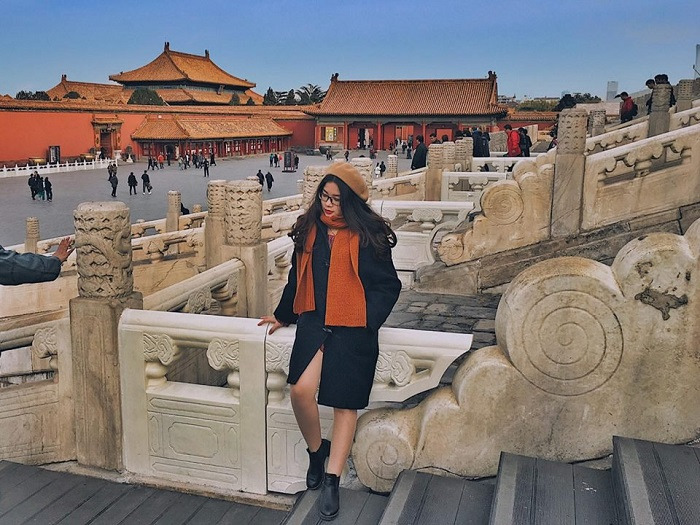
As the capital of China, Beijing has a fairly wide price range. The city offers everything from upscale accommodations, famous restaurants, and modern services to many more budget-friendly options for independent travelers. This diversity is exactly what makes the total trip cost variable, depending heavily on each traveler’s actual needs. Some people only need a compact itinerary to see the highlights, while others want to combine relaxation, shopping, and food experiences in a more comfortable way.
Looking at the big picture, DIY Beijing travel costs are not limited to airfare or hotel expenses. A complete trip usually includes many items such as visa, documents, transportation, accommodation, food, attraction tickets, internet, shopping, and contingency costs. If you don’t break each group down from the beginning, it’s very easy to underestimate and go over budget during the trip. Therefore, the best approach is to clearly identify the required expenses, the flexible ones, and a spending level that fits your travel style.
Factors that directly affect the total cost:
- Travel time, especially peak season and holidays.
- Number of days staying in Beijing.
- Airfare class and booking time.
- Type of hotel or accommodation selected.
- Eating habits and personal spending.
- Number of attractions in the itinerary.
- Shopping needs and unplanned expenses.
Detailed types of DIY Beijing travel expenses
When setting a budget for a trip, many people only think about airfare and hotels. However, to calculate DIY Beijing travel costs accurately and completely, you need to look at the whole picture. A full journey includes many different expenses such as visas, transportation, accommodation, food, sightseeing, internet access, shopping, and contingency costs. Breaking each cost group down not only makes budgeting easier, but also helps you avoid running short later in the trip.
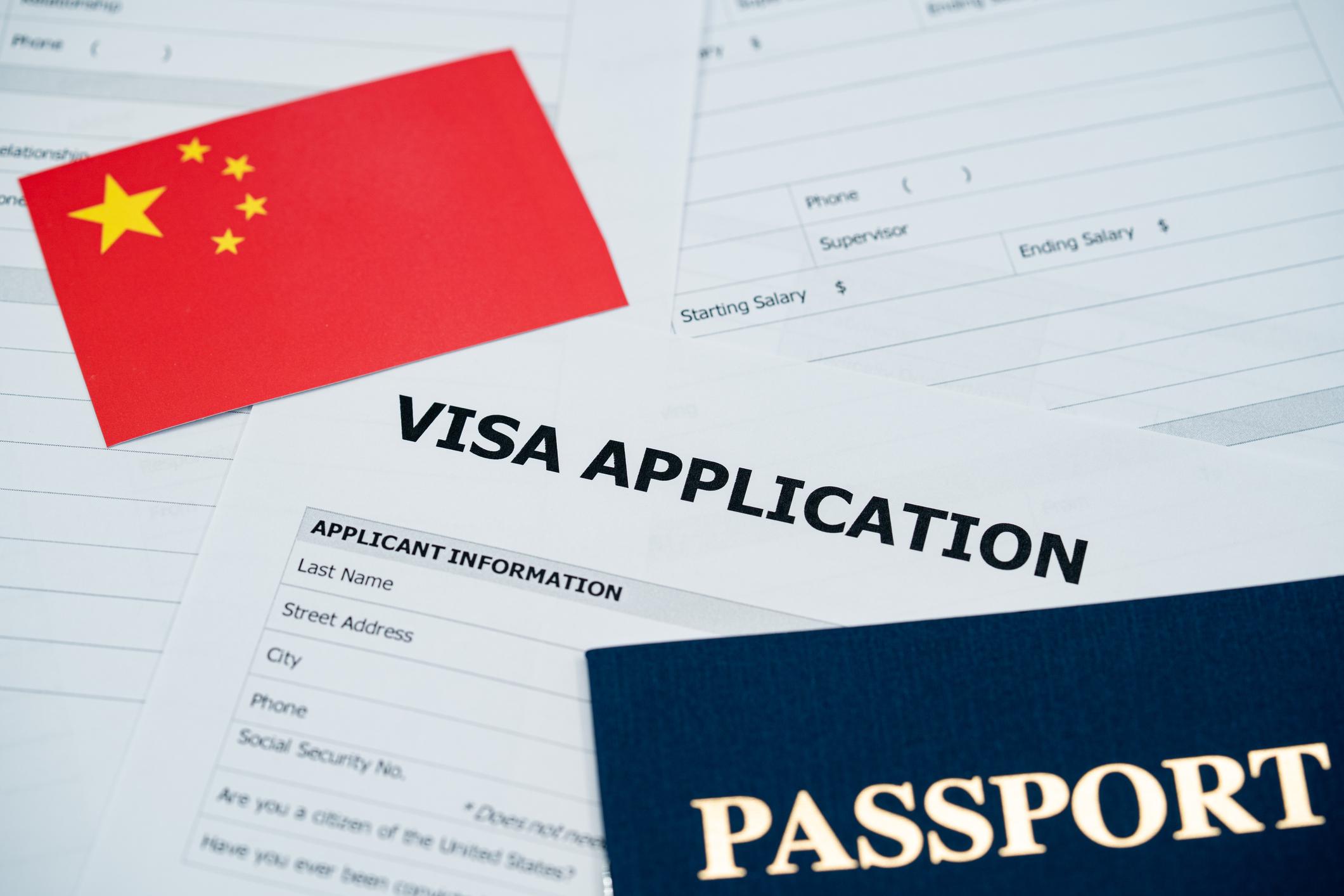
Visa and document costs
At present, China does not offer visa-free entry for Vietnamese citizens. Vietnamese citizens who want to enter China must apply for a visa. This is one of the first mandatory expenses when calculating DIY Beijing travel costs, so it should be included in your plan early.
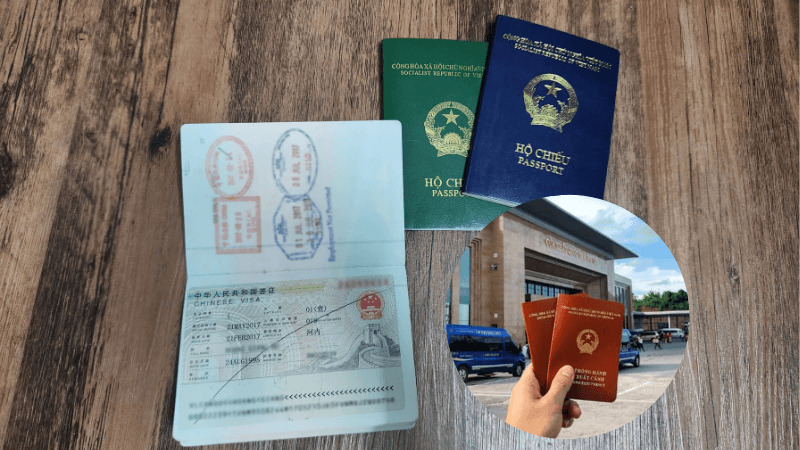
If you prepare the documents yourself and apply through the standard process, the cost usually ranges around 1.500.000 – 3.000.000 VND/person, depending on the visa type, application time, and related fees. If you use support services, the total cost may be higher. In addition to the visa fee, you should also prepare documents such as a valid passport, ID photos, itinerary details, flight booking, and accommodation reservation to make the visa process smoother.
For independent trips, applying for the visa early not only helps reduce time pressure but also limits extra costs if you have to change plans at the last minute.
Airfare costs
Among the components of DIY Beijing travel costs, airfare usually takes up a fairly large share. Round-trip ticket prices vary depending on departure point, booking time, travel season, airline, and whether you bring checked baggage.
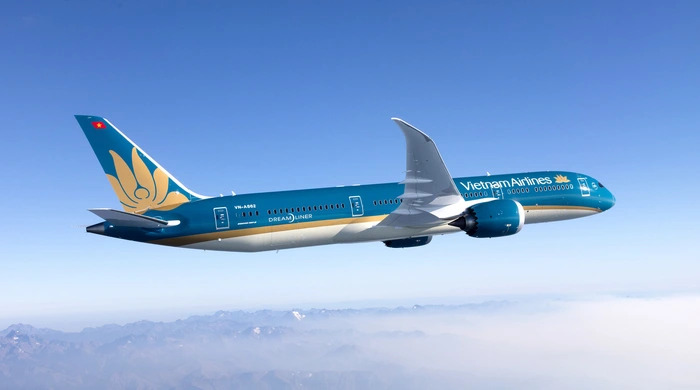
If you depart from Hanoi, round-trip ticket prices are usually more affordable than flights from Ho Chi Minh City. On average, you can budget around 5.500.000 – 7.500.000 VND if you find a good fare during the low season. With a mid-range budget, ticket prices usually fall around 7.500.000 – 11.000.000 VND. If you fly during peak season, at convenient times, or choose more convenient flights, the cost may exceed this range.
To optimize this expense, you should book early, stay flexible with your travel dates, and compare different time slots before deciding. Choosing the right time to book alone can significantly reduce your overall trip budget.
Transportation costs
Transportation costs during the trip include not only the journey from Vietnam to Beijing but also getting from the airport to the city center and daily travel within the city. This is usually not a very large expense, but it directly affects the actual travel experience.
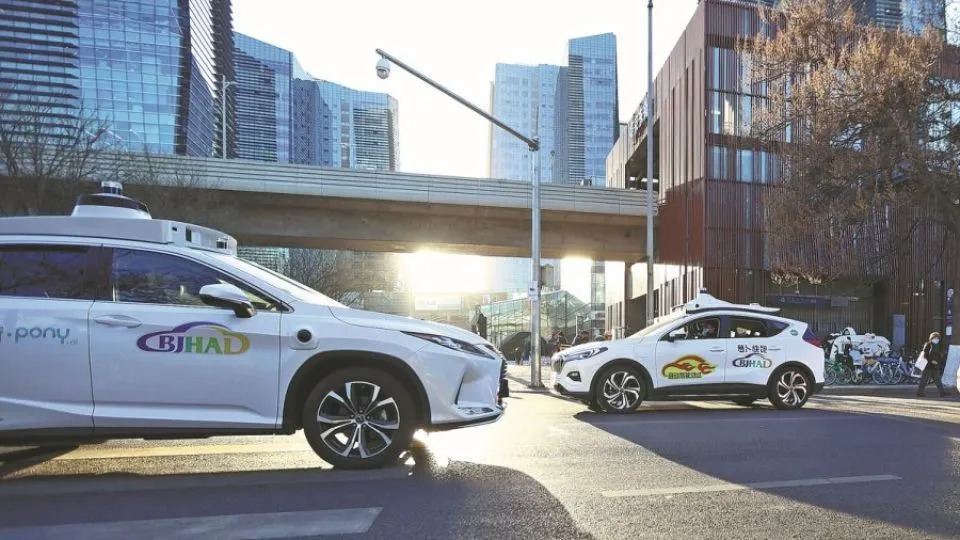
If you rely on public transport, you’ll save quite a lot. From the airport to the city center, the cost may range from about 100.000 – 300.000 VND if you take the airport train or airport bus. If you take a taxi or private car, the cost may rise to around 400.000 – 800.000 VND, depending on the distance and time of travel.
Within the city itself, the subway and bus network is quite convenient, so daily spending is usually only about 80.000 – 200.000 VND/person for a basic itinerary. If you use taxis or ride-hailing services often, the cost can increase significantly. Therefore, if you want to optimize DIY Beijing travel costs, you should plan attractions by area to avoid backtracking too much.
Accommodation costs in Beijing
Accommodation is the category with the biggest variation in overall DIY Beijing travel costs. Even within Beijing, just changing the location, room type, or travel season can make the amount you spend per night change quite a lot.
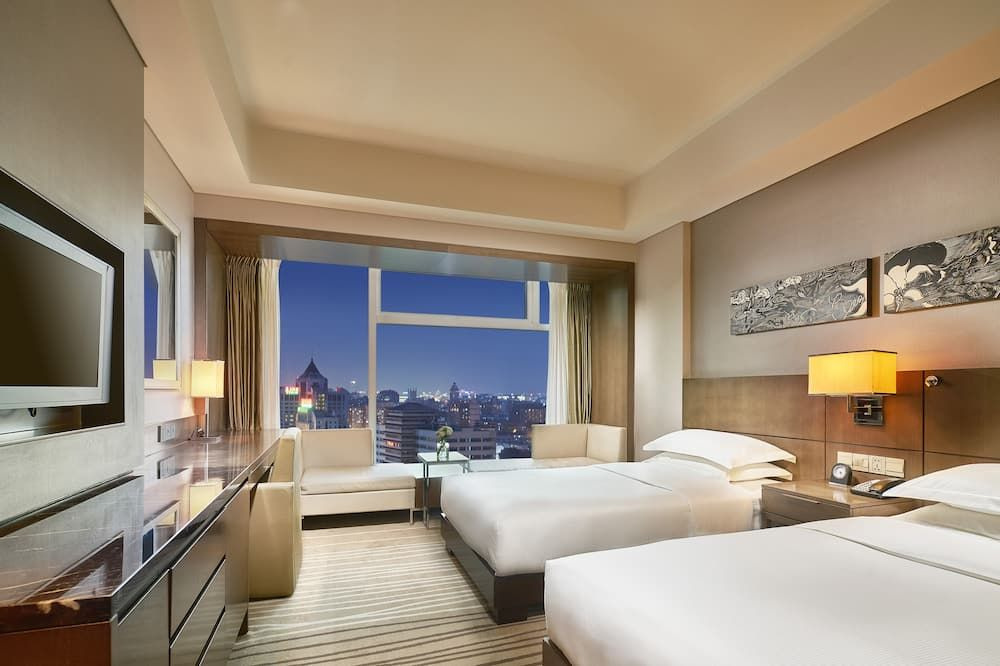
If you travel on a budget, staying in a hostel or dorm room, you can expect around 550.000 – 1.000.000 VND/night. For a 2–3 star hotel, the common range is usually around 1.200.000 – 2.500.000 VND/night, depending on the area and room quality. If you want a nicer hotel, higher comfort, or a location right in the city center, the budget can start from 3.000.000 VND/night and up.
A practical tip is that you don’t necessarily need to choose a hotel very close to famous tourist areas. As long as you stay near a subway station or in an area with convenient transportation, you can still save a significant amount without affecting the experience too much.
Food costs in Beijing
Food is a fairly flexible expense, because Beijing offers everything from budget eateries and convenience stores to traditional restaurants and modern dining chains. This makes it easy for travelers to adjust their budget according to personal needs.
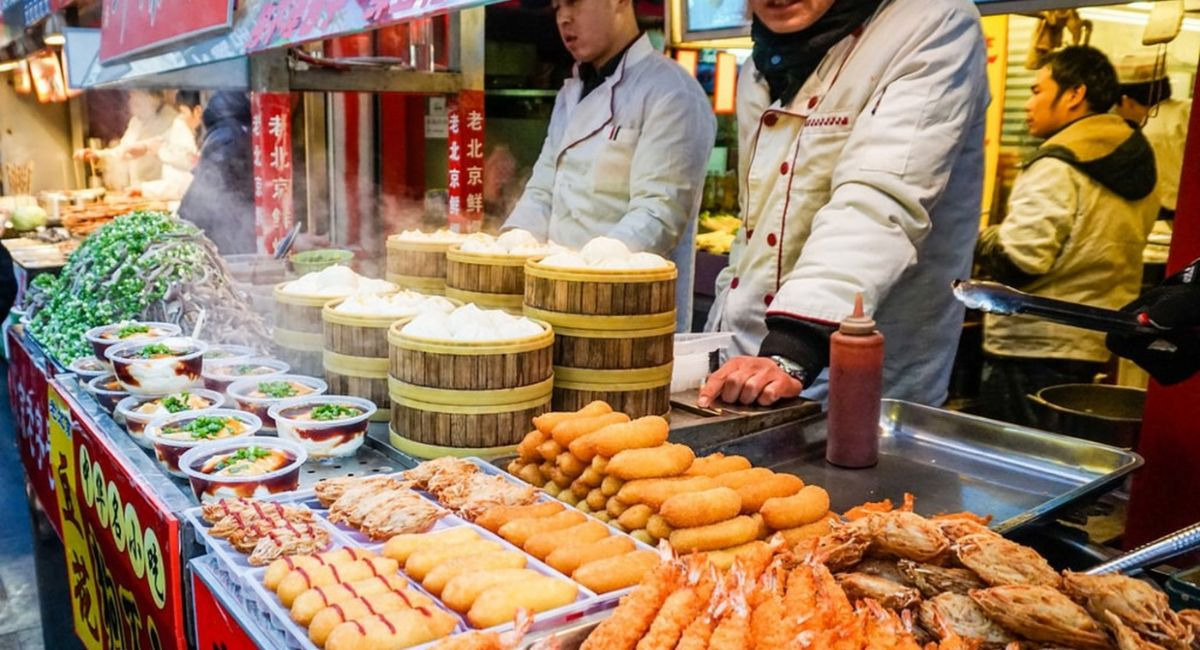
If you eat simply, each meal may cost only around 40.000 – 100.000 VND. At casual restaurants or mid-range eateries, the cost is usually around 100.000 – 250.000 VND/meal/person. If you want to try famous dishes at well-known spots, especially Peking duck or meals at nicer restaurants, the total cost can be significantly higher.
On average, you should budget around 250.000 – 600.000 VND/day/person for food, depending on how comfortably you spend. This is a category that’s very easy to control if you know how to balance food experiences with your actual budget.
Sightseeing and admission fees
One reason DIY Beijing travel costs can rise quickly is a packed sightseeing schedule. Each destination has a different ticket price, and when you add several attractions into one trip, the total amount is no longer small.
For a basic itinerary, you should prepare around 700.000 – 1.800.000 VND/person for admission fees throughout the trip. If you only choose a few highlights, the budget will be lighter. But if you want to visit many places and add amusement areas, cable cars, or day tours, this cost can increase more than expected.
To avoid unplanned expenses, you should finalize the list of places you want to visit early and estimate the total admission fees in advance. This will help you see the full budget more clearly instead of estimating based on intuition.
Internet, SIM, or eSIM costs
Internet is a small but very important expense on an independent trip. You’ll need a connection to check maps, find subway routes, book rides, review your itinerary, and communicate when needed. So although it doesn’t take up a large share, it should still be included in your DIY Beijing travel costs from the start.
Depending on the travel SIM or eSIM type, the common price at SimPM is usually around 25.000 – 1.500.000 VND for one trip (from 1 days to 30 days). If you choose a moderate data plan, used only for basic browsing and communication, the cost will be quite reasonable. If you need more data to stay connected throughout the trip, the budget may be higher. For independent travel, preparing internet before departure is always more proactive than buying it after landing.
Shopping costs
Shopping is not a required expense, but it can easily push your total budget up if you don’t plan ahead. For many people, this is just money for small gifts, souvenirs, or a few specialty items to bring home. However, if you plan to buy clothes, cosmetics, local products, or gifts for family, the spending can rise quite quickly.
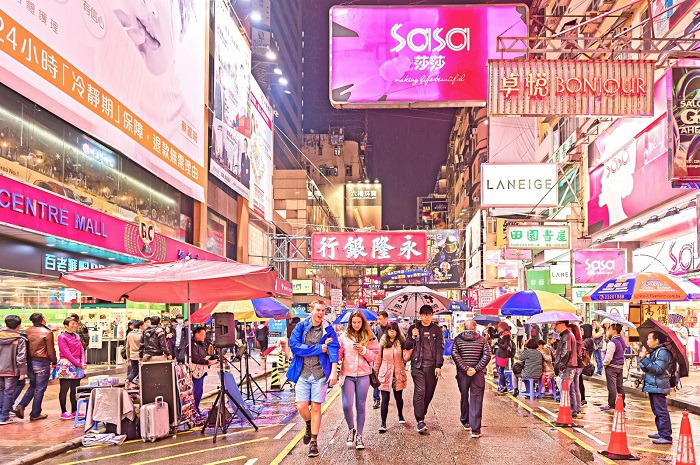
At a basic level, you can set aside around 500.000 – 1.500.000 VND for light shopping. If you want to spend more freely, the budget can start from 2.000.000 VND and up. Because this expense depends heavily on personal habits, it’s best to separate it from the essential costs for easier management.
Travel insurance costs
Travel insurance is not the first thing everyone thinks of, but it’s highly recommended when traveling abroad independently. It gives you more peace of mind against risks such as flight delays, lost luggage, or some basic medical situations.
Travel insurance usually isn’t too expensive, ranging around 150.000 – 500.000 VND/person for a short trip. Compared with the total DIY Beijing travel cost, this isn’t a large amount, but it offers very practical support if something goes wrong.
Contingency costs
No matter how carefully you plan, you should still set aside a separate amount for unexpected expenses. This may include changing plans, extra baggage, taxi rides when needed, additional food spending, or handling other unforeseen needs during the trip.
A reasonable contingency fund is usually around 1.500.000 – 3.000.000 VND/person for a short trip. If you travel during peak season, bring children, or have a fairly packed itinerary, you should keep a slightly larger emergency fund so you’re not financially caught off guard.
In general, if you add up everything from visa, airfare, accommodation, food, transportation, sightseeing, internet, and contingency costs, the total DIY Beijing travel cost for a 4–5 day trip usually ranges around 15.000.000 – 25.000.000 VND/person. Understanding each cost category like this will make it much easier to adjust your budget to your actual needs while still ensuring a complete trip.
Tips to optimize Beijing travel costs
To optimize DIY Beijing travel costs, the key is not to cut every expense, but to allocate your budget reasonably according to necessity. When you clearly understand which costs are essential and which can be adjusted flexibly, you can save money without reducing the quality of your experience. Below are practical tips to help you manage your budget more effectively when traveling independently in Beijing.
Choose the right travel time
The timing of your trip has a major impact on the overall budget. If you travel during peak season or major holidays in China, airfare and hotel prices usually rise quickly. On the other hand, if you choose the low season or midweek, you can save significantly on the biggest expenses.
Being flexible with your departure dates and avoiding crowded holiday periods not only helps reduce costs but also gives you a more comfortable experience with fewer crowds at attractions.
Book flights and hotels early
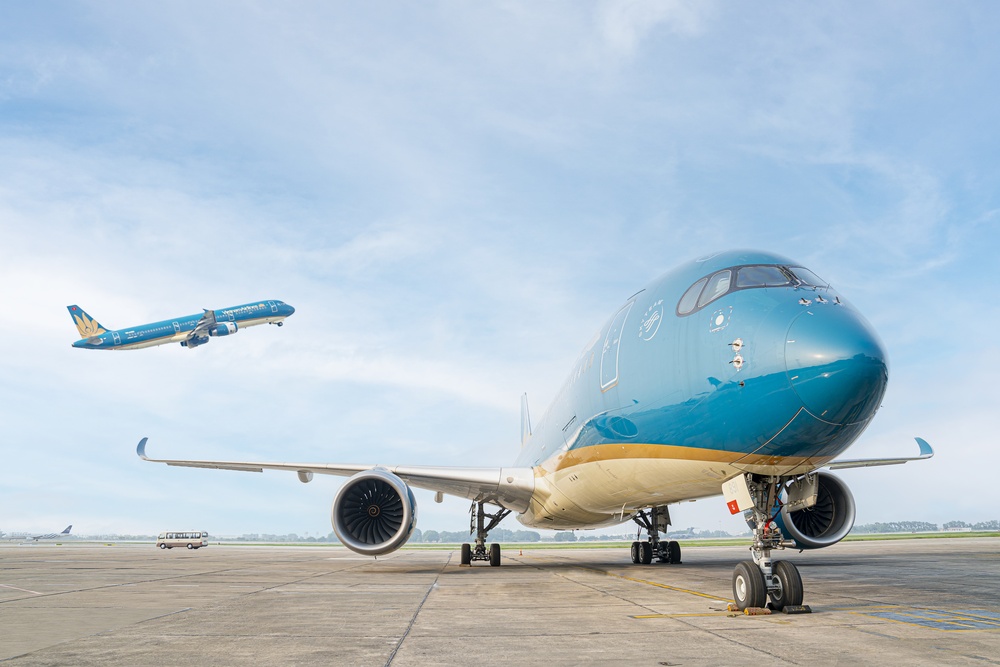
One of the most effective ways to reduce DIY Beijing travel costs is to book services in advance. Airfare is usually better if booked 1–2 months ahead, especially for popular routes. Likewise, hotels often offer better rates when booked early or when you catch promotional discounts.
Also, you should compare multiple options instead of booking as soon as you see the first price, because the difference between platforms or booking times can be quite large.
Prioritize public transportation
Beijing has a well-developed subway and bus system, making it easy to get around at low cost. If you use public transportation for most of your itinerary, you can save significantly compared with taking taxis or private cars.
To optimize further, you should arrange attractions by area and avoid going back and forth several times in a day. This not only saves money but also reduces travel time.
Choose accommodation wisely
You don’t necessarily have to stay right in the tourist center at a high price; you can choose areas near subway stations for convenient travel at a lower cost. This is one way to balance budget and convenience.
When choosing where to stay, prioritize good transport connections rather than focusing only on the distance to a specific attraction.
Optimize food costs
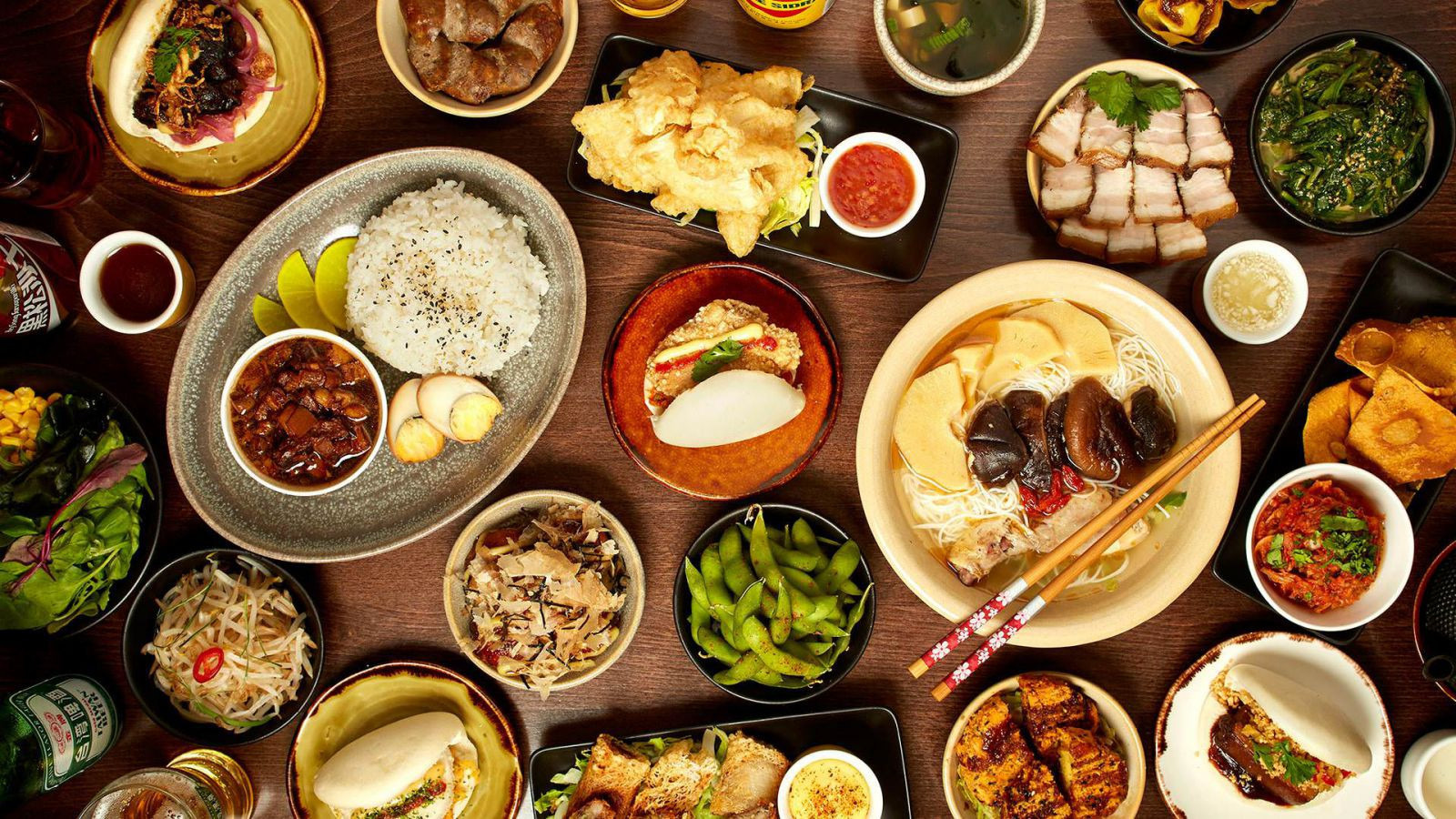
Beijing’s cuisine is very diverse, from local eateries to high-end restaurants. If you want to save money, you should combine trying signature dishes with eating at affordable places.
A simple tip is to avoid eating in busy tourist areas, since prices are usually higher than in residential neighborhoods. You can also try local chains or small neighborhood restaurants to save money while still experiencing the local style.
Make a list of attractions in advance
Clearly identifying the places you want to visit beforehand will help you control admission costs better. If you go by impulse and buy tickets on the spot for too many places, the total cost can easily exceed your budget. You should prioritize important landmarks and consider how many attractions to visit each day to avoid both overspending and getting too tired from moving around too much.
Prepare internet before your trip
Internet is an important part of independent travel, helping you look up information, find directions, and use necessary apps. Preparing a SIM or eSIM in advance before departure will save you time and help you avoid high costs when buying at the airport.
A popular choice is to buy a China travel eSIM from SimPM. You can receive the QR code quickly by email, set it up on your phone in advance, and use it as soon as you arrive. Preparing in advance like this makes the trip smoother and prevents connection interruptions.
Limit impulse shopping
Shopping can easily increase your total budget if not controlled. You should set a spending limit for this category in advance and prioritize items that are truly necessary or have long-term use value. Setting a spending cap will help you avoid overspending toward the end of the trip, keeping your DIY Beijing travel costs at a reasonable level.
See also: What is the best season to visit Beijing? Ideal timing suggestions
Optimizing your Beijing DIY travel budget is not only about finding cheap flights or choosing a reasonably priced hotel, but also about preparing thoroughly before your trip to avoid unnecessary expenses. Among these, internet is an important factor that helps you check maps, book rides, buy tickets, and handle every situation flexibly while in China. To make your trip more convenient, you should choose a China travel eSIM from SimPM. Contact SimPM now: 0919.999.936 for advice and to choose the most suitable eSIM plan for your journey.