Do You Need a Visa to Travel to Thailand? Latest Entry Rules 2026

Thailand has always been an attractive destination for Vietnamese travelers thanks to its reasonable costs and many interesting experiences. However, many people still wonder whether traveling to Thailand requires a visa and what they need to prepare for smooth entry. The article below will provide a full update on the latest policy, helping you clearly understand visa exemption conditions, length of stay, and important notes before your trip.
Do Vietnamese citizens need a visa to travel to Thailand?
The answer is NO. According to the latest policy updated through 2026, Vietnamese citizens are exempt from a visa when entering Thailand, with a maximum stay of 60 days for tourism or short-term family visits.
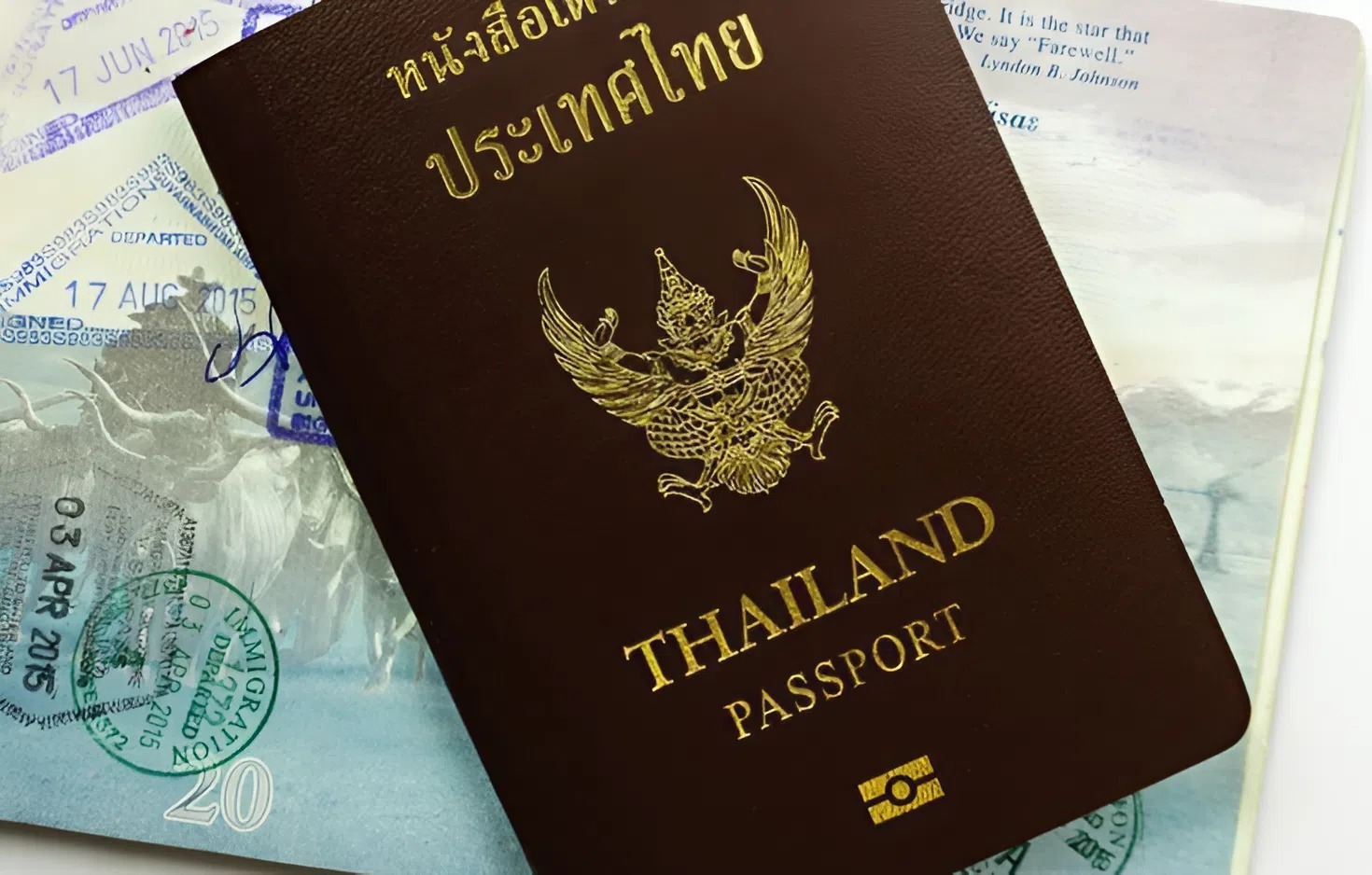
Previously, the visa-free period was only 30 days, but from mid-2024 it was increased to 60 days and remains in effect to this day. This makes traveling to Thailand easier, as you do not need to apply for a visa in advance, pay any fee, and only need a valid passport and to meet all entry requirements.
Which countries are visa-exempt in Thailand?
As of 2026, Thailand applies a visa exemption policy to 93 countries and territories, allowing entry without applying for a visa in advance. The length of stay varies by nationality, with the most common being 60 days.
- Visa-exempt country group for 60 days
This is the most common group, increased from 30 days to 60 days since 2024:
| Region | Country |
| Europe | Andorra, Austria, Belgium, Czech Republic, Denmark, Finland, France, Germany, Greece, Hungary, Iceland, Ireland, Italy, Liechtenstein, Luxembourg, Malta, Monaco, Netherlands, Norway, Poland, Portugal, San Marino, Slovakia, Slovenia, Spain, Sweden, Switzerland, United Kingdom |
| Americas | Argentina, Brazil, Canada, Chile, Costa Rica, Honduras, Mexico, Peru, United States, Uruguay |
| Asia – Pacific | Australia, Bahrain, Hong Kong, Israel, Japan, Kuwait, Macau, New Zealand, Oman, Qatar, Saudi Arabia, South Korea, Taiwan, UAE |
| Others | South Africa, Mauritius, Türkiye |
- ASEAN countries group (including Vietnam)
Countries in Southeast Asia enjoy a separate policy under bilateral agreements:
| Country | Visa-free period |
| Vietnam | 60 days |
| Malaysia | 30 days |
| Singapore | 30 – 90 days |
| Indonesia | 30 days |
| Philippines | 30 days |
| Campuchia | 30 – 90 days |
| Laos | 30 – 90 days |
| Myanmar | 30 – 90 days |
| Brunei | 30 – 90 days |
- Visa-exempt country group for 30 days
Some countries currently still have a shorter visa-free stay of 30 days due to separate agreements with Thailand or because they have not yet been updated to the 60-day level. This list is not common and may change from time to time, so travelers should check official information from the Thai Embassy or immigration authorities before planning your trip.
See more: Mobile carriers in Thailand: Detailed comparison & ways to choose the right SIM
Thailand entry requirements under visa exemption
Although visa-exempt, Vietnamese citizens still need to meet all of the following entry requirements:
- Valid passport: Must be valid for at least 6 months from the date of entry
- Digital Arrival Card (TDAC): Must be completed online before departure and the QR code shown during immigration clearance
- Round-trip ticket or ticket out of Thailand: Prove that you will depart within the allowed period
- Clear accommodation information: Hotel booking confirmation or the address of your place of stay in Thailand (enter in full when filling out TDAC)
- Financial proof: Usually around 10.000 Baht/person or 20.000 Baht/family
- Clear purpose of entry: Suitable for tourism/short-term purposes, with no signs of illegal work
In addition, Thai immigration authorities may check your entry history. If you enter repeatedly within a short time (border run) or do not have a clear travel plan, you may be checked more closely or denied entry.
In which cases do you still need a Thailand visa?
Although Vietnamese citizens are visa-exempt when entering Thailand, in some of the cases below, you still need to apply for an appropriate visa before your trip:
- Stay longer than 60 days: If you plan to stay in Thailand longer than the visa-free period, you must apply for a visa (or a valid extension if eligible).
- Entering repeatedly within a short period of time: Using visa exemption multiple times (border run) may raise suspicion with immigration authorities and lead to entry denial, so you should apply for a visa to ensure legality.
- Remote work, business, or long-term activities: Cases such as digital nomads, freelancers, participating in courses, long-duration events… need the appropriate visa type (for example DTV).
- Working in Thailand: If you work for a company in Thailand or earn income from sources in this country, you must have a valid work visa.
- Do not meet all visa-exemption entry requirements: For example, not having a return ticket, not filling out TDAC, or not being able to prove financial means or a clear trip purpose.
- Belonging to a nationality not on the visa-exempt list: In this case, you need to apply for a visa in advance or use Visa on Arrival (VOA) if eligible.
Detailed guide to the Digital Arrival Card (TDAC) application procedure
The TDAC (Thailand Digital Arrival Card) is a mandatory requirement for all foreign travelers entering Thailand from 2025, replacing the previous paper form TM6. Travelers need to complete the online declaration before departure to avoid delays during immigration clearance or being denied entry.
Documents needed when filling out TDAC
Before registering for TDAC, you need to prepare the following information:
- Passport (or a clear photo/scan of the information page)
- Flight information: airline, flight number, date of entry
- Accommodation address in Thailand: hotel name + full address (house number, street, district, province, postal code)
- Personal email: to receive the TDAC confirmation code
- Basic health information: declaration as required by Thai health authorities
Online TDAC registration procedure
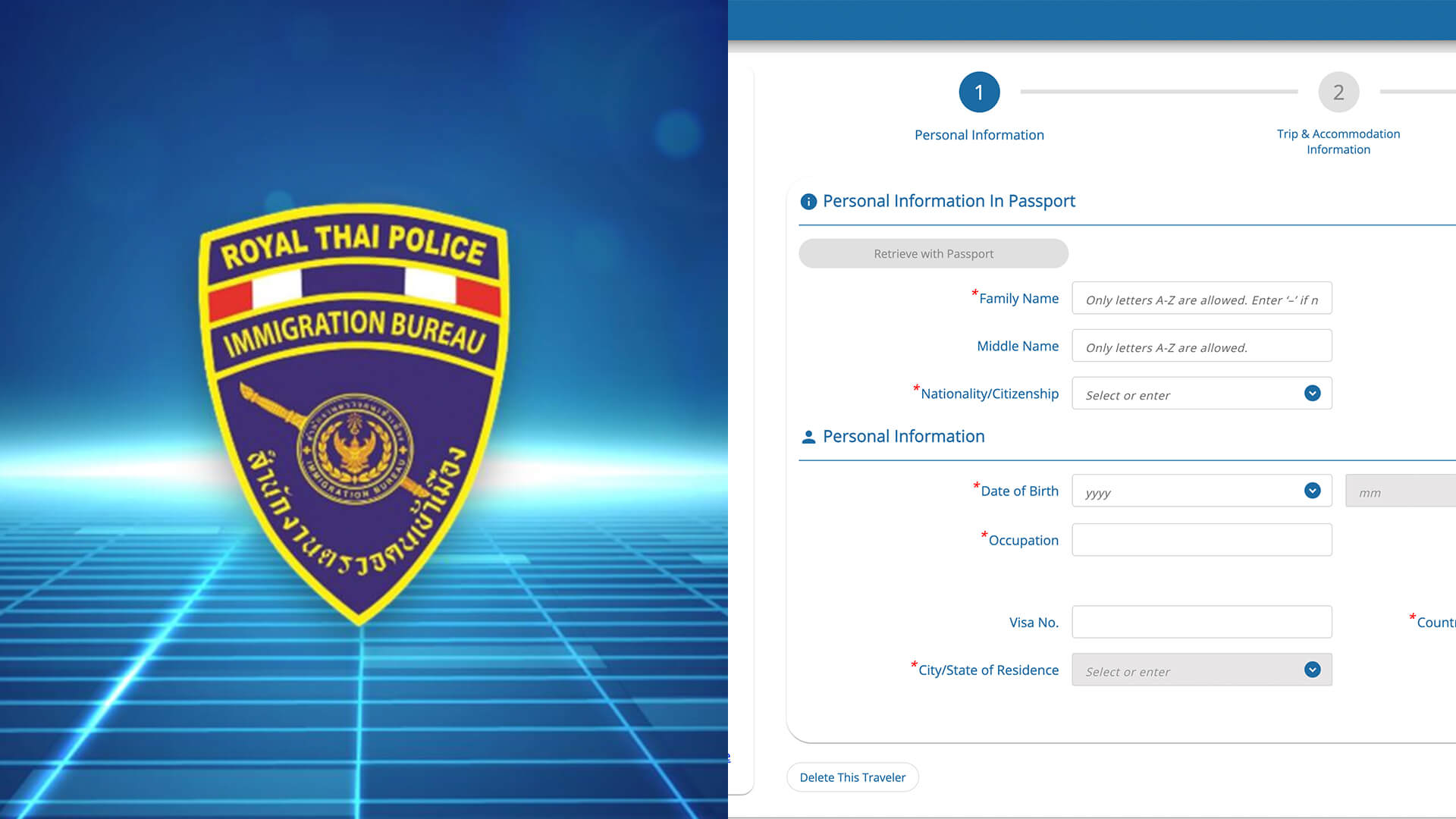
The TDAC registration process is quite simple and only takes about 5 – 10 minutes:
- Step 1: Visit the official TDAC system website
- Step 2: Enter passport information (you can use the MRZ scan function to auto-fill)
- Step 3: Enter trip information (purpose of entry, arrival date, flight)
- Step 4: Fill in your accommodation address in Thailand (must be accurate and complete)
- Step 5: Complete the health declaration section
- Step 6: Enter your email and submit the registration
After completion, you will receive the TDAC confirmation QR code by email. Save it on your phone or print it out to present during check-in and immigration clearance in Thailand.
See more: Tips for buying a budget Thailand travel SIM with stable network
Common TDAC filing mistakes and how to fix them
When completing the TDAC, many travelers often encounter some basic errors that delay entry or require them to re-enter the information. Below are the common mistakes you need to note:
- Wrong date format: The system uses the DD/MM/YYYY format (day/month/year), and many people mistakenly enter MM/DD/YYYY. Please double-check before submitting.
- Confusing the number 0 with the letter O in the passport: This is an error that prevents the system from recognizing the information. Please compare again or use the automatic scanning function.
- Accommodation address not filled in completely: Writing only the hotel name is not enough; you need to enter the full address including house number, street, district, province, and postal code.
- Session time-out while entering information: If you spend too long, the system may automatically log you out. You should prepare the information in advance so you can enter it quickly and accurately.
- Forgot to fill out TDAC before the flight: Not filing or filing too close to departure time can make check-in difficult. It is best to complete it 1-2 days in advance and save the confirmation code.
Other common Thailand visa types
In addition to visa exemption, Thailand also offers many other visa types suitable for long stays or special purposes. Below are some common visa types:
- Tourist visa (TR): Allows a stay of 60 days and can be extended for another 30 days in Thailand. Suitable for those who want to stay longer than the visa-free period.
- Visa on Arrival (VOA): Length of stay 15 days, fee of about 2.000 Baht. Applies to some countries not on the visa-exempt list.
- Destination Thailand Visa (DTV): Visa for remote workers, freelancers, or participants in short courses. Valid for 5 years, each entry allows a stay of 180 days and can be extended. Financial proof required of about 500.000 Baht.
- Multiple-entry tourist visa (METV): Valid for 6 months, allowing multiple entries, with each stay up to 60 days. Suitable for those who travel frequently or do not yet qualify for a long-term visa.
Depending on your purpose and length of stay, you should choose the appropriate visa type to ensure a smooth entry and stay in Thailand.
Some things to know for your Thailand trip
To make your Thailand trip go smoothly, besides preparing the necessary documents, you should also know some practical tips below:
- Check your passport and documents before booking tickets: Your passport must be valid for at least 6 months. If you need a visa, you should prepare it about 2 – 4 weeks.
- Complete pre-flight procedures on time: TDAC should be filed 1 – 3 days in advance, and your return ticket and hotel confirmation should be prepared before departure.
- Do not enter too many times in a short period: Returning to Thailand repeatedly may lead to closer inspection at the border.
- Always have a clear itinerary: When asked, you should know your travel plan and where you are staying to avoid being judged as entering for the wrong purpose.
- Avoid overstaying: Violations may result in fines or affect future entries.
- Do not work illegally: Visa exemption is only for tourism/short-term purposes, and you are not allowed to work in Thailand.
- Travel insurance is recommended: Not mandatory, but very necessary to reduce risks when traveling abroad.
- Prepare an eSIM or travel SIM before flying: This is something many independent travelers often overlook. Having internet ready as soon as you land by buying a travel eSIM or a SIM card will help you quickly look up information, book rides, open maps, and present electronic documents such as TDAC.
- Always save important information on your phone: Including your flight ticket, hotel, and itinerary for use when needed.
After reading this article, you should now have the answer to the question “Do you need a visa to travel to Thailand?” as well as understand the entry procedures and what you need to know. Even if you are visa-exempt, you should still prepare all necessary documents and understand the regulations so your Thailand trip goes more smoothly.
Before departure, check the necessary information again and prepare internet access from the travel eSIM of SimPM so you can easily handle procedures and look things up when needed. Wishing you a wonderful Thailand trip filled with many exciting experiences!