Can a Locked iPhone Use eSIM? Are There Any Limits?

Are you wondering whether a carrier-locked iPhone can use eSIM, and whether you can take advantage of eSIM for flexible connectivity like on an international iPhone? In reality, the answer is not simply “yes” or “no,” because carrier-locked iPhones come with many carrier-related restrictions that directly affect eSIM usage. In this article, you’ll understand what a carrier-locked iPhone is, how eSIM works, the real-world limitations, and the best solution for using eSIM effectively and reliably.
What is a carrier-locked iPhone? Understand it correctly before using eSIM
A carrier-locked iPhone is an iPhone version that is locked to a specific carrier, allowing use only with one certain network provider such as AT&T, Docomo, or SoftBank. These devices are often cheaper than international iPhones, but they come with many limitations during use.
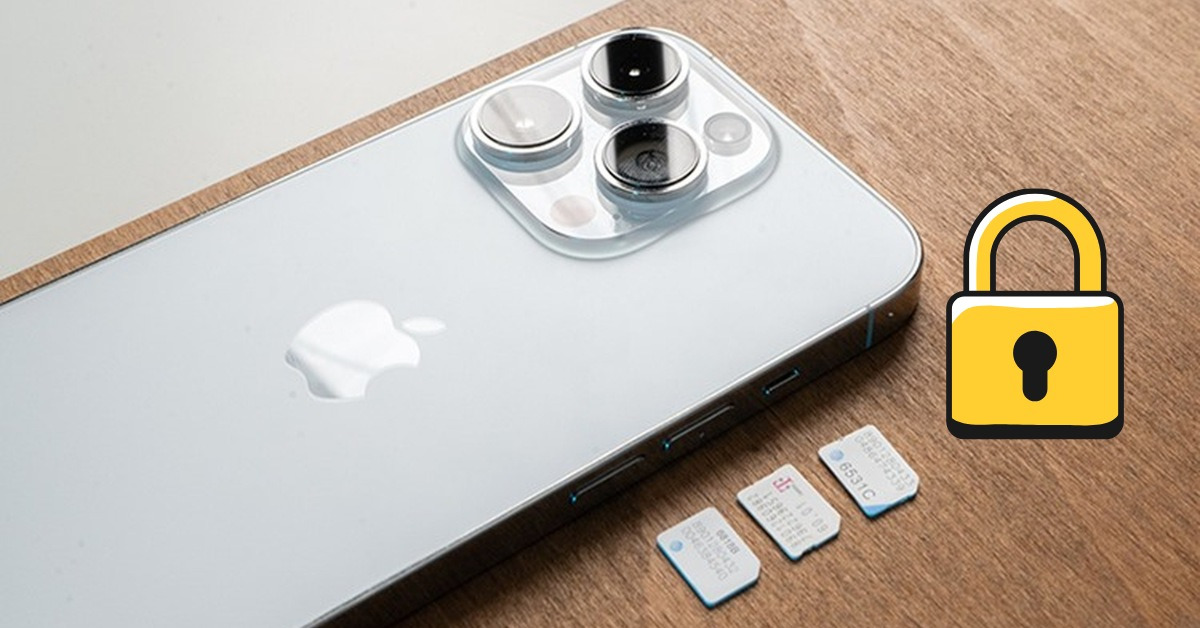
In essence, a carrier-locked iPhone is linked to a carrier through its IMEI. This means the device will only accept a SIM or eSIM from that carrier. If the user tries to use a SIM from another carrier, the device will not recognize it or will show an activation error. This locking mechanism is the factor that directly affects eSIM use on a carrier-locked iPhone.
What is eSIM? Which iPhones support eSIM
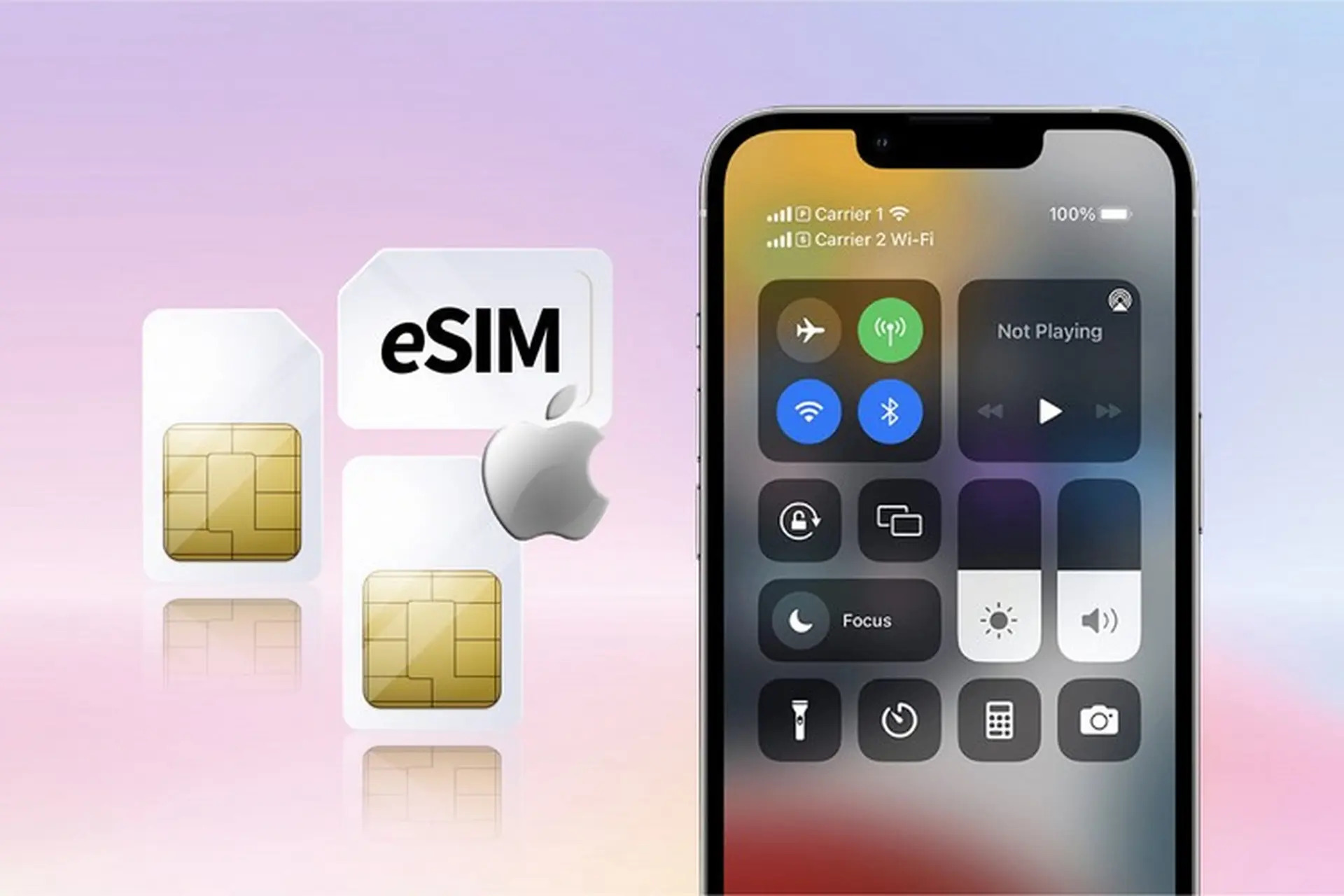
eSIM is an embedded electronic SIM built into the device, allowing users to activate a plan without using a physical SIM. You only need to scan a QR code or enter the carrier’s information, and you can start using it right away.
Apple began equipping eSIM starting with the iPhone XS, XS Max, and iPhone XR series onward. Since then, most newer iPhone models have supported eSIM, and some U.S. versions have even removed the physical SIM slot entirely.
Using eSIM brings many benefits such as:
- No need to remove or insert SIM cards.
- Easy carrier switching.
- Convenient for international travel.
Can a carrier-locked iPhone use eSIM?
The short answer is that it can use eSIM, but there are several important limitations that users need to understand clearly before deciding.
In essence, a carrier-locked iPhone is a device tied to a specific carrier through Apple’s activation system. When you add an eSIM to the phone, the device checks whether that eSIM profile belongs to the original carrier. If it does not match, the activation process is rejected from the start.
This leads to one reality: whether a carrier-locked iPhone can use eSIM depends entirely on the carrier the phone is locked to. If you use the correct eSIM from the original carrier, activation and use will face almost no obstacles. Conversely, if you try to use an eSIM from another carrier, the device will not allow registration.
One thing to note is that carrier locking applies to both physical SIMs and eSIMs. However, with eSIM, the control is even stricter because the entire activation process takes place through a digital system and cannot be easily “worked around” like a physical SIM in some cases.
In addition, real-world experience shows that even when using the correct original carrier eSIM, users in Vietnam may still face difficulties registering a plan or maintaining a connection due to regional differences and support policies.
In short, if you are wondering whether a carrier-locked iPhone can use eSIM, the answer is: it can, but only within the scope of the original carrier and it does not offer the flexibility of an international iPhone. This is a major limitation, especially for people who need to use multiple carriers or travel eSIMs.
Is there any way to use another eSIM on a carrier-locked iPhone?
After understanding the nature of carrier locking, many users begin looking for alternative solutions and ask again: can a carrier-locked iPhone use eSIM if it is not from the original carrier? In reality, there are some technical “workarounds,” but they all come with certain limitations and risks.
Using a SIM interposer combined with eSIM configuration
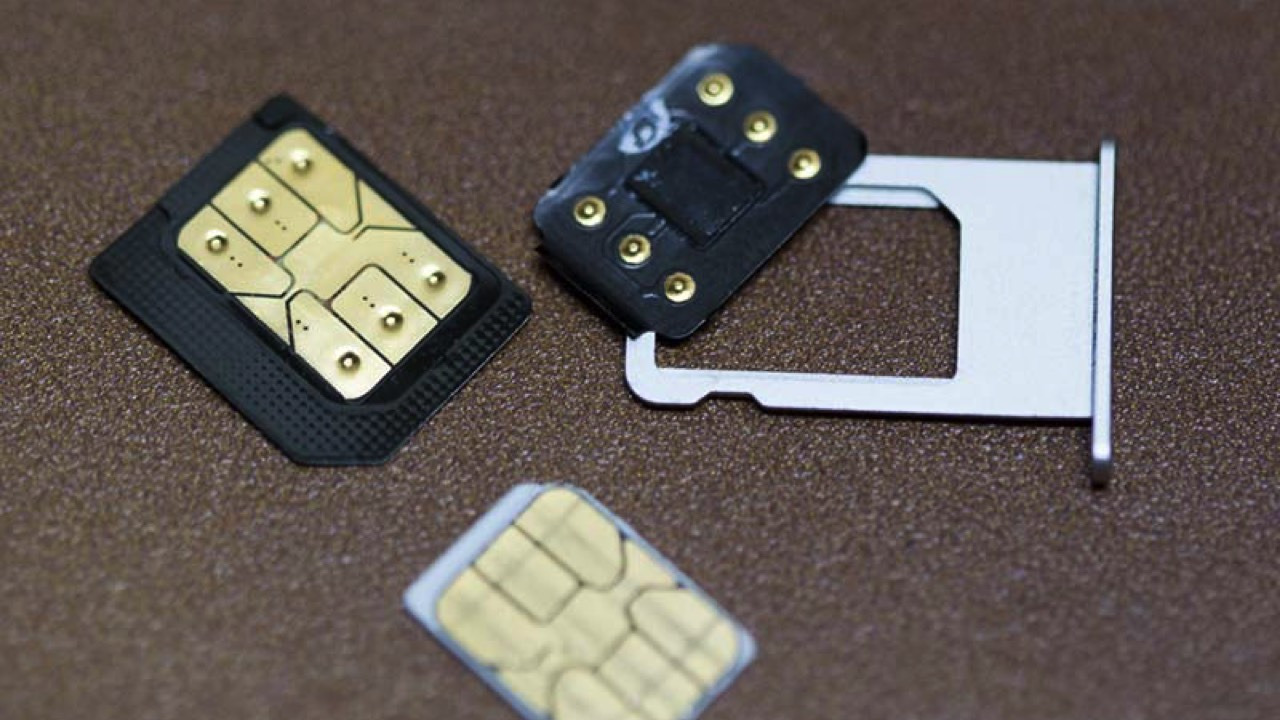
A SIM interposer is already a familiar solution for carrier-locked iPhone users. In principle, the SIM interposer intervenes in the carrier identification process, making the device “mistakenly think” you are using a valid SIM.
In some cases, users can:
- Insert the SIM interposer together with a physical SIM
- Install the appropriate configuration according to instructions
- Set up a proxy to add an eSIM from another carrier
This method may help activate an eSIM outside the original carrier, but it does not always work. Whether it operates successfully also depends on the iOS version, the SIM interposer type, and device compatibility.
Have a technical store modify the system
Some phone shops can help install eSIM on a carrier-locked iPhone by creating an intermediary environment, usually by:
- Setting up a virtual server
- Connecting through a proxy to bypass carrier checks
This solution may allow you to use an eSIM from another carrier, but it is important to understand that this is not an official method. Apple and carriers do not support this approach, so users must accept the associated risks.
See also: Does iPhone 7 have eSIM? How to easily check whether an iPhone supports eSIM
A better alternative solution for users
After looking into the limitations, it is clear that trying to find a workaround to answer the question of whether a carrier-locked iPhone can use eSIM is not a long-term solution. Instead, users should choose a more stable solution that better fits real-world needs.
The best solution is to use an international iPhone to fully take advantage of eSIM. Unlike a carrier-locked iPhone, an international iPhone is not tied to any carrier, allowing you to use eSIMs from any provider without activation or compatibility issues. This is especially important as eSIM becomes more and more common, from domestic eSIMs to international travel eSIMs.
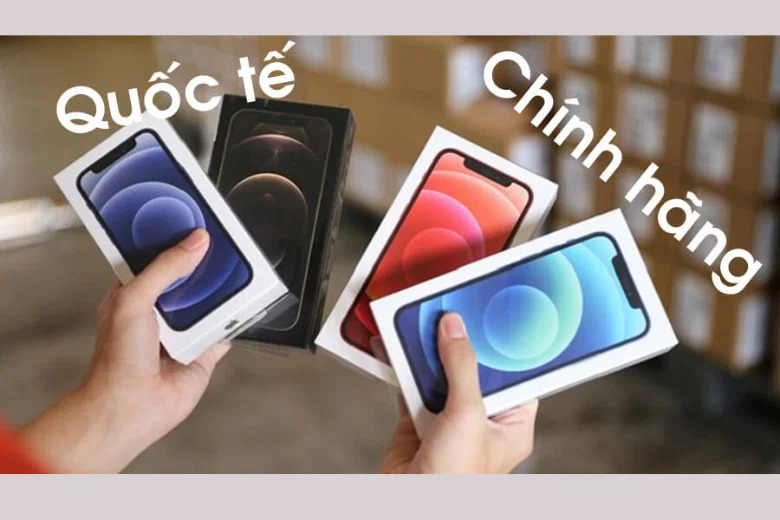
When using an international iPhone, the eSIM experience is truly convenient and flexible. Users can easily switch between plans, add or remove eSIMs without technical intervention or unofficial methods. At the same time, the device also works more stably, without issues such as signal loss, activation errors, or software conflicts after an iOS update.
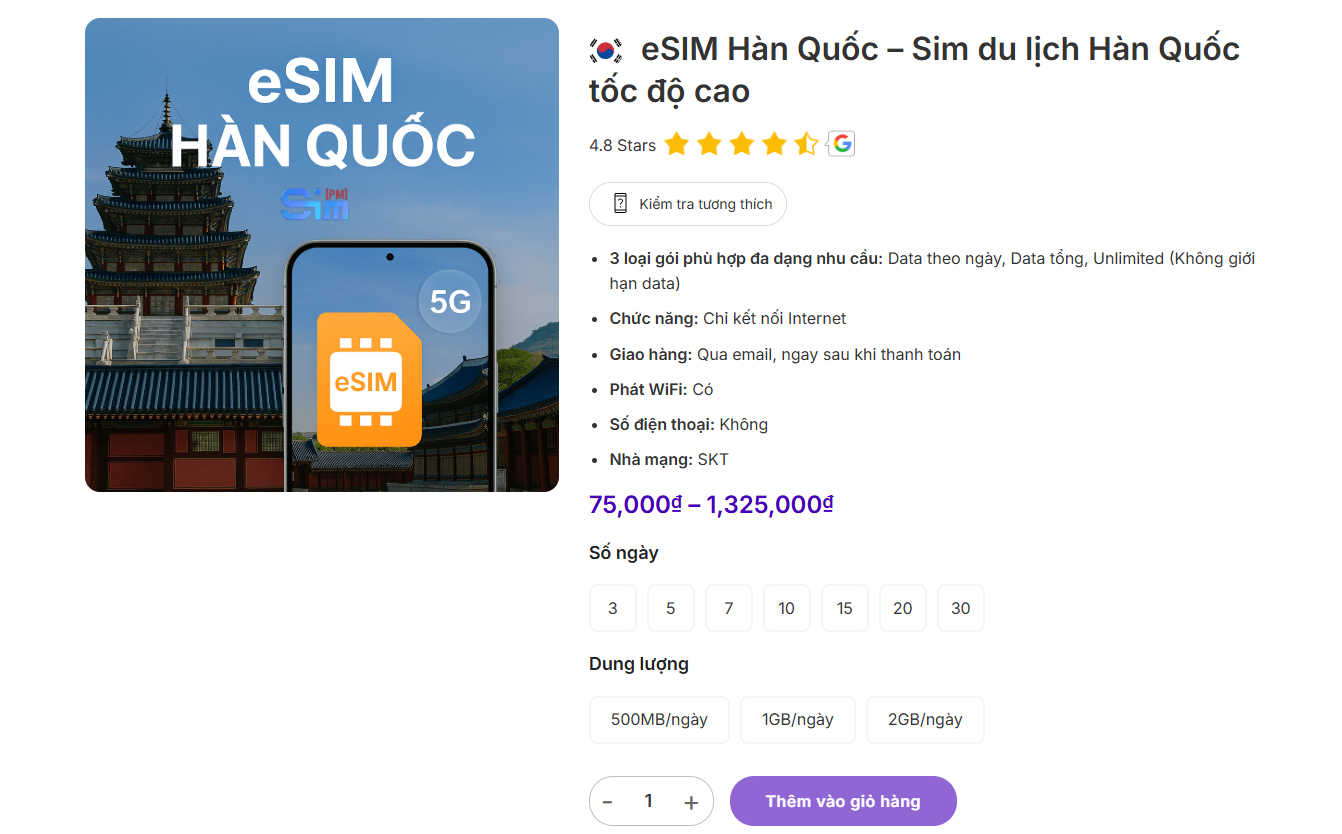
In addition, for people who travel abroad frequently, combining an international iPhone with a travel eSIM from trusted providers such as SimPM will help optimize the user experience. You can activate the eSIM right before your trip, without needing to replace a physical SIM, while still ensuring stable connectivity in many countries.
See also: 7 eSIM error on iPhone 11: Causes and how to fix it
Important notes when using eSIM on a carrier-locked iPhone
When researching whether a carrier-locked iPhone can use eSIM, many people only focus on whether it works and overlook the risks during actual use. Below are the important points you need to keep in mind to avoid unexpected issues.
Unstable operation
Using eSIM on a carrier-locked iPhone, especially through unofficial methods, often does not guarantee stability. The device may experience signal loss, no network recognition, or connection interruptions during use. In addition, after each iOS update, previous settings may fail or stop working, forcing you to reconfigure everything from scratch.
Security risks
Some eSIM activation methods require using a proxy or connecting through an intermediary server. This poses potential risks related to personal data, as information may be accessed or controlled by third parties. Since these methods are not officially supported by Apple or carriers, their safety is not guaranteed.
Not compatible in the long term
Apple continuously updates its operating system and tightens carrier verification mechanisms. Therefore, “workarounds” for using eSIM on a carrier-locked iPhone may only work for a short time. Users may find that everything works normally at first, but later it gets locked again or the eSIM can no longer be reactivated.
Limitations for travel eSIM use
For travel eSIMs or international eSIMs, a carrier-locked iPhone is almost unusable unless it has been unlocked. This is a major disadvantage for frequent travelers, because eSIMs are designed to provide flexible connectivity in many countries without needing to swap physical SIM cards.
The experience is not equivalent to an international iPhone
Even if you find a way to use eSIM, the experience on a carrier-locked iPhone still cannot compare with an international iPhone. Features may be limited, connection performance may be unstable, and there is always a risk of errors occurring.
If you need stable eSIM use, especially for travel or using multiple carriers, an international iPhone is still the more optimal and longer-term choice. If you are looking for a convenient connectivity solution when traveling abroad, an international travel eSIM is worth considering. SimPM offers eSIM coverage in more than 200 countries, with popular plans such as Thailand eSIM, Japan eSIM… helping you connect quickly as soon as you arrive without needing to change your physical SIM. Buy a travel eSIM quickly and conveniently at SimPM.