Is eSIM stable? Detailed answers when using eSIM

A common question many people have when considering switching from a physical SIM to an eSIM is whether eSIM is stable, especially for international travel and business trips. Join SimPM to learn how eSIM works, the factors that affect its stability, and how to use eSIM effectively, so you can answer accurately whether eSIM is stable in real-world use.
What is eSIM? How does it work?
Simply put, eSIM is a digital SIM built into the device instead of existing as a physical SIM card that can be removed and inserted like before. The eSIM is embedded directly on the circuit board of a phone, tablet, or smartwatch from the manufacturing stage, so users do not need to insert a SIM manually.
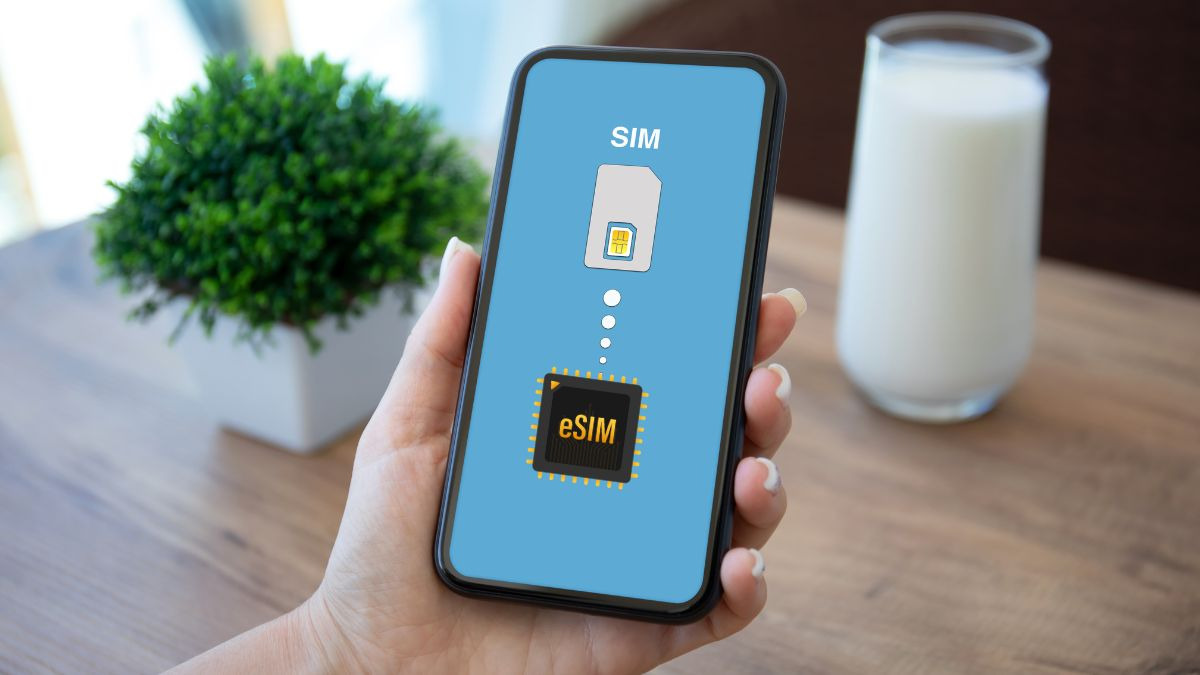
In essence, eSIM still performs all the functions of a regular SIM, including subscriber authentication, connecting the device to the mobile network, and allowing internet access, calls, or text messages depending on the service plan. The difference lies in how the subscription is managed and activated, which is done entirely through software rather than hardware.
When using eSIM, users will receive a QR code or configuration details provided by the carrier or eSIM provider. After scanning the code or installing the configuration, the device will download the corresponding subscriber profile and store it directly on the eSIM chip. This process happens remotely, without the need to visit a store or physically remove and insert a SIM, making activation faster and more flexible.
When traveling abroad, a travel eSIM will automatically or manually connect to the local carrier that the provider has preconfigured. As a result, the device can use mobile data as soon as you arrive without having to buy a physical SIM at the airport or in a store.
One important thing to understand is that eSIM does not determine whether the signal is strong or weak. eSIM does not create signal, nor does it amplify it. Network speed and stability depend entirely on the carrier infrastructure that the eSIM connects to, as well as the geographic location and the frequency bands supported by the device.
Is eSIM stable?
Is eSIM stable? is a common question among users when first encountering digital SIM technology, especially as eSIM is increasingly used for travel and international business trips. From a technical and practical perspective, it can be confirmed that eSIM can operate completely stably, even at a level comparable to a physical SIM, if used under the right conditions.
First of all, it is important to clarify that eSIM is not a new technology or one that is still in testing. eSIM has been deployed by major brands such as Apple, Samsung, and Google for many years on commercial devices. In many developed countries, eSIM has become a popular choice for both individual and business users, proving its stability and long-term operability.
In real-world use, many people find that eSIM delivers a more stable experience than a physical SIM in some respects. Because it is built into the device, eSIM does not face physical issues such as poor contact, a loose SIM tray, or damage caused by frequent removal and reinsertion. Switching between eSIM plans also happens quickly, reducing the risk of connection interruptions during use.
However, whether eSIM is stable also depends on how users choose and use it. An eSIM provided by a reputable provider, connected directly to a local carrier, and used on a highly compatible device will offer high stability. On the other hand, cheap eSIMs of unclear origin, roaming through multiple intermediary layers, or with bandwidth limits may make users feel the network is unstable, even though the eSIM technology itself is not the problem.
Factors that determine eSIM stability
To answer the question of whether eSIM is stable more accurately, it is necessary to look at the core factors that directly affect connection quality during use. In practice, eSIM is a middle-layer technology, while stability depends on many conditions related to network infrastructure, the device, and how the user deploys it.
Carrier quality in the country of use
The most important factor determining whether eSIM is stable is the carrier that the eSIM connects to. When using eSIM domestically or abroad, the device will access the 4G or 5G infrastructure of one or more local carriers. If that network has wide coverage, good bandwidth, and stable infrastructure, the eSIM will work smoothly. Conversely, in areas with weak signal, remote regions, or places where telecom infrastructure is still limited, both eSIM and physical SIMs may experience instability.
Type of eSIM being used
Not all eSIMs have the same quality. For travel eSIMs, stability also depends on the plan type users choose, including the validity period, data allowance, and speed throttling policy.
Device support for eSIM
The device is an essential factor when evaluating whether eSIM is stable. Newer phone models and international versions usually support eSIM better in terms of frequency bands and network switching capability. Meanwhile, some imported devices, carrier-locked phones, or versions made specifically for domestic markets may encounter compatibility issues, affecting connection quality even if the eSIM and carrier themselves are fine.
How the network is installed and configured
Although installing eSIM is simple, doing it incorrectly can cause network loss or unstable connectivity. Activating the eSIM at the wrong time, not enabling data roaming, choosing the wrong default eSIM, or failing to update the operating system can all interrupt the connection.
Location and real-world usage conditions
Environmental factors also directly affect eSIM stability. When moving continuously, entering crowded areas, basements, subway trains, or buildings with major signal obstructions, connection quality may temporarily decrease. This is a common mobile network phenomenon, not something unique to eSIM or physical SIMs.
See also: New users should know: How many times can an eSIM be scanned?
Cases where eSIM may be unstable
When learning whether eSIM is stable, many people often assume that all connection problems come from the eSIM technology. In fact, eSIM is only a way to store subscriber information, while network stability depends on many external factors. In some specific situations below, eSIM may not perform as expected.
Using it in areas with weak signal or poor network infrastructure
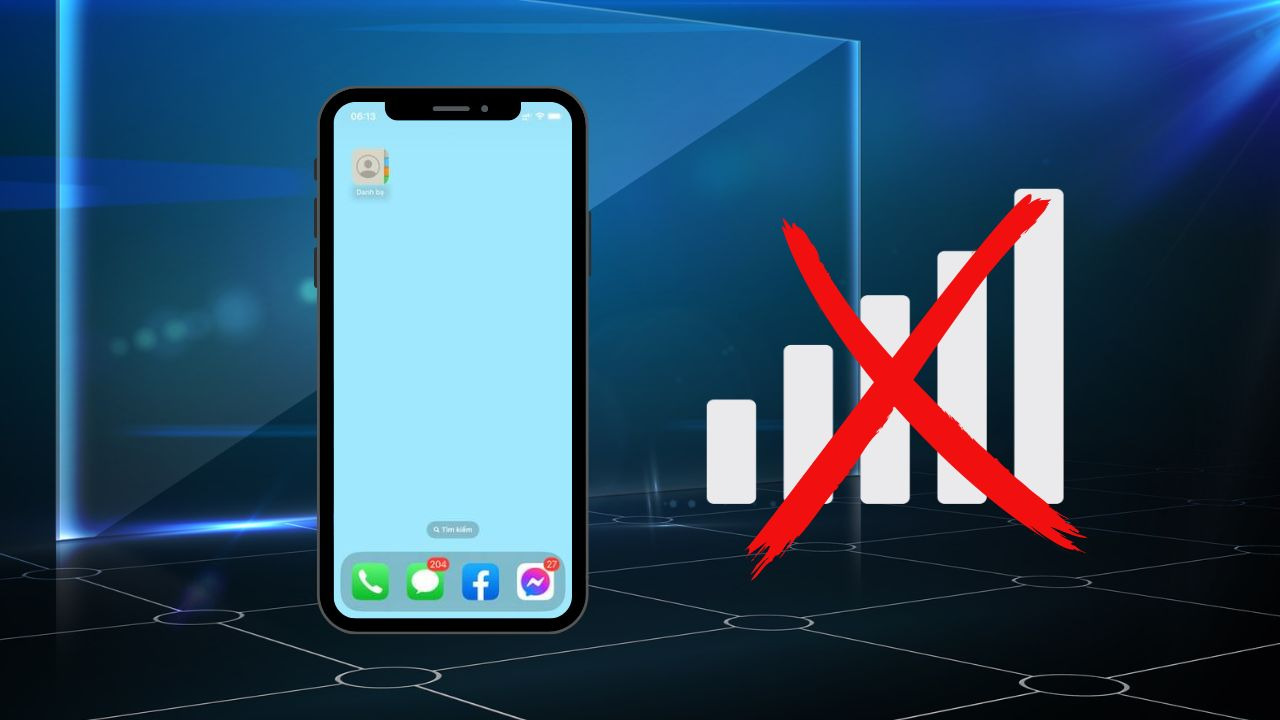
eSIM may experience intermittent connectivity when used in remote areas, mountainous regions, islands, or places with a low density of cell towers. In addition, enclosed spaces such as basements, subway systems, high-rise buildings, or crowded areas can also weaken the signal. In these cases, network loss happens with both eSIM and physical SIMs, not because eSIM itself is less stable.
Using cheap eSIMs from unclear providers
Another common reason users question whether eSIM is stable is choosing eSIMs from untrustworthy providers. Some cheap eSIMs may roam through multiple intermediary networks, have bandwidth limits, or not clearly disclose the connected carrier. This can easily lead to unstable speeds, high latency, or sudden disconnections during use.
Incorrect configuration or activation
Installing eSIM incorrectly is a fairly common cause. Users may forget to enable data roaming, choose the wrong eSIM as the primary line, or activate the eSIM too early before the trip. These configuration errors can interrupt connectivity, even though the eSIM and carrier are completely fine.
See also: How is eSIM different from a physical SIM? Which SIM should you use when traveling?
How to use eSIM most stably when traveling
When the following principles are applied correctly, eSIM can absolutely deliver a stable, continuous, and convenient connection experience when traveling domestically or abroad.
Choose an eSIM that connects directly to a local carrier
The top priority when choosing a travel eSIM is an eSIM that can connect directly to the carrier at your destination. Direct connection helps reduce latency, limit network switching through multiple intermediary layers, and ensure more stable speeds. eSIMs that only roam indirectly or do not clearly disclose the carrier are more likely to experience intermittent connectivity, especially during peak hours or while moving frequently.
Install the eSIM before departure but activate it at the right time
An effective way to use eSIM is to install it on your device before the trip while you still have a stable Wi-Fi connection. However, users should only activate the eSIM when they begin using it at the destination to avoid losing usage days or causing early connection errors. Pre-installing saves time, while activating at the right moment helps the eSIM work stably when needed.
Buy eSIM from a reputable provider
The eSIM provider plays an important role in ensuring connection quality. Reputable providers such as SimPM usually clearly disclose the carrier, data plan, validity period, and technical support policy. This helps users feel more confident when evaluating whether eSIM is stable, while also making it easier to resolve issues if they arise during use.
Always keep your primary SIM to receive OTPs when needed
When using a travel eSIM, users should keep their primary SIM in the device to receive OTP codes from banks, e-wallets, or other important services. Using eSIM and the primary SIM together is not only convenient but also helps avoid interruptions in situations where urgent verification is needed. This is one of the major advantages of eSIM over traditional physical SIMs.
Choose a stable-quality eSIM at SimPM
When asking whether eSIM is stable, besides the technology and the device, choosing the right eSIM provider plays a crucial role. A well-configured eSIM, connected to the correct carrier and backed by clear technical support, will help users maintain a stable connection throughout the trip and minimize any risks that may arise.

SimPM is a provider specializing in international travel eSIMs, focusing on real-world user experience and connection reliability. The eSIM products at SimPM are designed to suit a wide range of needs, from short trips to business travel or long-term stays abroad.
Reasons to choose eSIM at SimPM:
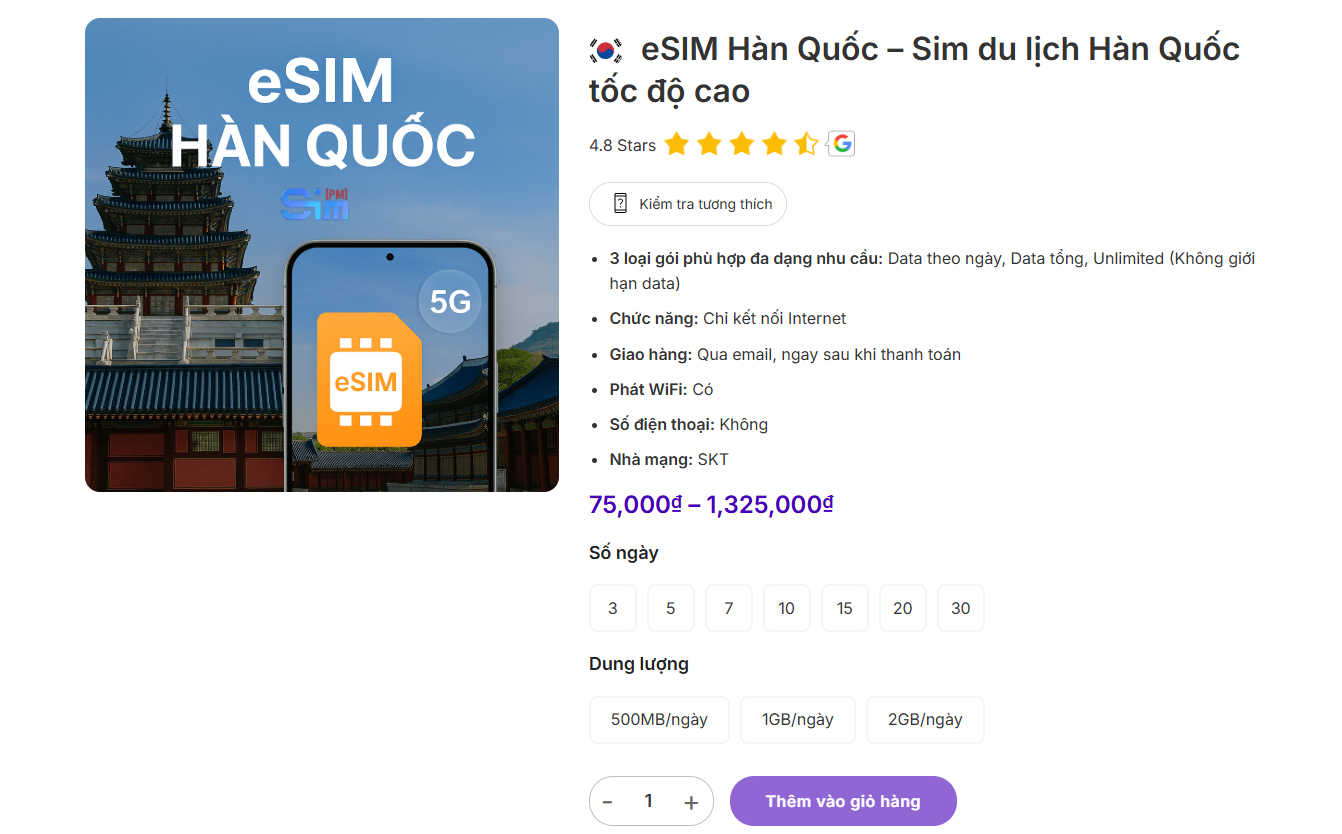
- Offers international travel eSIMs for most destinations worldwide, suitable for many different journeys. For example Thailand eSIM, Korea eSIM,…
- Prioritized connection to local carriers at the destination, helping ensure speed and stability during use.
- Receive the eSIM code instantly by email after payment, with no waiting or physical delivery required.
- Buy eSIMconveniently directly on the website, with a simple and clear process.
- A diverse range of eSIM plans with many options for usage period and data allowance, making it easy to choose according to your actual needs.
- Technical support is available during installation and use, helping quickly resolve connection issues if they arise.
SimPM has provided detailed answers to readers’ question: “Is eSIM stable?” When users choose an eSIM from a reputable provider with transparency and full support, eSIM is not only stable but also becomes a convenient, flexible, and reliable connectivity solution for every trip.